Is San Francisco Safe for Solo Female Travelers?
united states
A compact, walkable city where progressive values and world-class dining make solo women feel right at home.
Stats
Key Safety Tips
Why San Francisco is perfect for solo female travelers
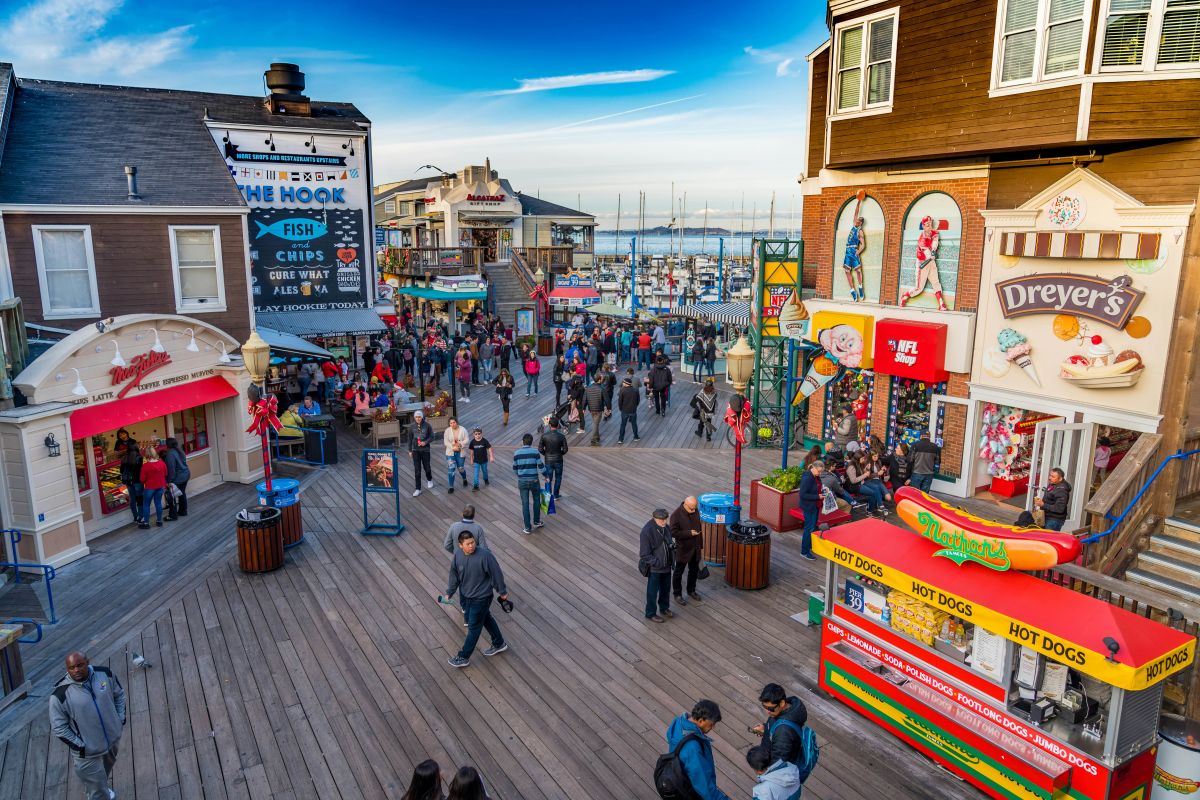
Key Stat: Violent crime in San Francisco dropped over 25% in 2025, with property crime in tourist areas like Fisherman's Wharf down 46% year-over-year, making the city safer than it has been in over two decades.
San Francisco is a city that has always championed independence, individuality, and self-expression — qualities that make it a natural fit for women exploring on their own. The compact 7-by-7-mile footprint means you can walk between iconic neighborhoods in minutes, from the painted Victorians of Haight-Ashbury to the dim sum houses of Chinatown, without ever needing a car. The city's deep roots in activism and social progress translate into a community that respects personal boundaries while remaining genuinely warm and helpful.
What sets San Francisco apart is its neighborhood-driven identity. Each pocket of the city has its own personality — the literary bohemianism of North Beach, the tech-forward energy of SoMa, the queer joy of the Castro, the family-friendly calm of Noe Valley. The city's reliable public transit, walkable streets, culture of solo dining, and one of the highest concentrations of women-owned businesses in the country make it one of the most rewarding destinations on the West Coast for women traveling alone.
Quick Facts
- Safety Rating: 3.6/5
- Budget: $120–$300 per day (budget to mid-range)
- Emergency Number: 911
- Timezone: Pacific Standard Time (UTC-8)
- Language: English (Mandarin, Spanish, and Cantonese widely spoken)
- Best Months: September–November, April–May
- Population: 835,987 (as of 2025)
- Walkability: 4.2/5
Walking around
Key Stat: San Francisco scores 87 out of 100 on the Walk Score index as of 2026, making it the second most walkable major city in the United States after New York.
The safest neighborhoods for walking include the Marina, Pacific Heights, Noe Valley, North Beach, Russian Hill, and the Embarcadero waterfront. These areas feature well-maintained sidewalks, excellent street lighting, and consistent foot traffic. The Marina's flat terrain along Chestnut Street and the Embarcadero's waterfront promenade are particularly popular with solo women for morning and evening walks.
After dark, stick to well-lit commercial corridors. The Castro, North Beach, and the Marina remain active and safe well into the evening thanks to their restaurant and bar scenes. Fisherman's Wharf and Union Square stay busy until around 10:00 PM. Nob Hill and Russian Hill are quiet but well-lit residential areas where solo walking feels secure after sunset.
Exercise increased caution in the Tenderloin neighborhood, which sits directly adjacent to Union Square and is easy to wander into accidentally. Parts of the Civic Center, Mid-Market, and certain blocks of SoMa between 5th and 8th Streets also require heightened awareness after dark. The Mission District south of 24th Street can feel isolated late at night.
Opening Hours
Key Stat: Unlike many cities, San Francisco grocery stores like Safeway often operate 24 hours, and most retail in tourist areas stays open until 9:00 PM seven days a week.
Standard retail hours run Monday through Saturday from 10:00 AM to 8:00 PM, with Sunday hours typically 11:00 AM to 6:00 PM. The Union Square shopping district operates 10:00 AM to 8:00 PM on weekdays and 10:00 AM to 7:00 PM on weekends. Boutiques along Fillmore Street, Hayes Valley, and Valencia Street may open later, around 11:00 AM.
Grocery options are excellent. Several Safeway locations operate 24 hours, Whole Foods opens 8:00 AM to 10:00 PM, and Trader Joe's runs 8:00 AM to 9:00 PM. Corner stores in the Mission and Chinatown often stay open until midnight. Walgreens and CVS pharmacies are widespread, with several locations open 24 hours.
Major tourist attractions like Alcatraz require advance booking. The California Academy of Sciences is open 9:30 AM to 5:00 PM weekdays. Most museums close on Mondays or Tuesdays. The Golden Gate Bridge pedestrian path is open daily from 5:00 AM to 6:30 PM (extended to 9:00 PM in summer).
Restaurants
Key Stat: San Francisco holds 30 Michelin-starred restaurants as of 2025, one of the highest concentrations per capita in the United States, with solo-friendly bar seating available at many of them.
Solo dining in San Francisco is genuinely celebrated. The restaurant scene thrives on counter seating, communal tables, and bar dining, making eating alone feel natural. Meal times are flexible: breakfast from 7:00 AM, lunch 11:30 AM to 2:30 PM, and dinner from 5:30 PM extending to 10:00 PM weeknights and 11:00 PM weekends.
Four Kings in Chinatown offers an open kitchen bar with front-row views of chefs preparing Cantonese dishes. Zuni Cafe on Market Street has excellent bar seating and its famous roast chicken. Marufuku Ramen in Japantown serves rich tonkotsu at a communal counter. Frances in the Castro features chef Melissa Perello's seasonal menu in an intimate setting ideal for solo dinner.
Budget-friendly options include burritos at La Taqueria (2889 Mission Street) or El Farolito on 24th Street for under $15, dim sum at City View on Commercial Street, and seafood at Fisherman's Wharf stalls. The Mission District keeps kitchens open latest, with taquerias serving past midnight on weekends.
Haggling
Key Stat: Haggling is not practiced in 99% of San Francisco retail transactions — fixed pricing is the universal standard across stores, restaurants, and services.
Haggling is culturally inappropriate in San Francisco. All stores, restaurants, and cafes operate on fixed pricing. Attempting to negotiate will be met with confusion. The only exceptions are flea markets like the Treasure Island Flea Market (held monthly), where gentle negotiation on vintage goods may yield 10–15% flexibility.
Tipping is critical. Standard tipping runs 18–20% at restaurants (20% is the local norm), $2–3 per drink at bars, and 15–20% for ride-share and taxi drivers. Many restaurants add a "SF Mandate" surcharge of 3–5% to cover employee health care — this is separate from the tip. Credit cards are accepted virtually everywhere, and many businesses have gone cashless.
Hospitals
Key Stat: San Francisco has 5 major hospital emergency departments within city limits, with average emergency response times under 6 minutes as of 2025.
For emergencies, dial 911 from any phone. Zuckerberg San Francisco General Hospital at 1001 Potrero Avenue is the city's only Level I trauma center and provides emergency care regardless of insurance status. UCSF Medical Center at 505 Parnassus Avenue operates a top-ranked emergency department with multilingual staff.
Additional 24-hour emergency rooms include UCSF Health Hyde Hospital at 900 Hyde Street, UCSF Health Stanyan Hospital at 450 Stanyan Street, and Kaiser Permanente San Francisco Medical Center at 2425 Geary Boulevard.
Emergency room visits without insurance cost $1,500–$3,500, while urgent care visits range from $200–$500. One Medical has multiple locations with same-day appointments. Travel health insurance is strongly recommended for international visitors. Walgreens and CVS pharmacies are widespread, with several locations open 24 hours.
Drinking Water
Key Stat: San Francisco's tap water originates from the Hetch Hetchy Reservoir near Yosemite National Park and consistently meets or exceeds all federal drinking water standards, with zero PFAS detected in recent testing.
San Francisco's tap water is among the cleanest municipal water supplies in the United States. The SFPUC conducts nearly 100,000 water quality tests annually, and the water meets every federal and state health standard. The city has delivered high-quality drinking water from its Sierra Nevada sources for over a century.
Tap water is safe to drink from any faucet in hotels, restaurants, and public fountains. Restaurants serve tap water by default. Water refill stations are available at parks, transit stations, and public spaces — bringing a reusable bottle is practical and aligned with the city's environmental ethos.
Bottled water costs $1.50–$3.00 at convenience stores, but most residents skip it entirely given the exceptional tap water quality. The water has a clean, neutral taste that visitors often notice and appreciate.
Alcohol Laws
Key Stat: California law mandates a 2:00 AM last call statewide, and all alcohol purchases require valid government-issued photo ID proving you are 21 or older.
The legal drinking age is strictly 21. Bars, restaurants, and liquor stores will check valid photo ID regardless of apparent age — carry your passport or government-issued ID. Foreign driver's licenses are accepted, but a passport is most reliable.
Bars stop serving at 2:00 AM, with last call around 1:30–1:40 AM. As of 2026, the 2:00 AM cutoff remains California law despite ongoing legislative efforts to extend it. Off-premises alcohol sales at stores run 6:00 AM to 2:00 AM daily.
Public drinking is prohibited on streets and in most parks, with fines of $100–$500. Dolores Park and Golden Gate Park technically prohibit alcohol, though enforcement varies. Solo female travelers should exercise standard bar precautions: never leave a drink unattended, accept drinks only from bartenders, and keep your beverage in sight.
Greetings
Key Stat: San Francisco consistently ranks among the most culturally diverse cities in the US, with over 45% of residents speaking a language other than English at home, shaping a greeting culture that values warmth and inclusivity.
Greetings are casual, friendly, and low-contact. A smile and a "hey" or "how's it going?" is standard whether entering a coffee shop or meeting someone new. Handshakes are reserved for business introductions. Hugs are common among friends but unusual with strangers.
The city's culture is notably warm. Strangers in neighborhoods like Noe Valley, the Marina, and North Beach will make friendly eye contact and offer greetings on the sidewalk. Personal boundaries are respected, and no one will be offended by a simple nod.
One important custom: never call the city "Frisco" or "San Fran." Locals consider both nicknames disrespectful. Use "San Francisco," "SF," or "the City" (always capitalized). The city's diverse population means you may hear greetings in Mandarin, Cantonese, Spanish, and Tagalog depending on the neighborhood.
Punctuality
Key Stat: San Francisco operates on a relaxed West Coast schedule where social events typically start 10–15 minutes late, while business meetings and restaurant reservations are expected on time.
Professional culture leans punctual, particularly in tech. Meetings start on time, and arriving more than 5 minutes late is considered disrespectful. The business atmosphere is more casual than East Coast cities — small talk is normal, dress codes are relaxed.
Social gatherings follow "California time." Arriving 10–15 minutes late to a dinner party is perfectly acceptable. However, restaurant reservations should be honored on time — popular spots will give away your table after a 15-minute grace period.
Build buffer time for transit. Muni buses can experience 5–15 minute delays during rush hours. BART trains are more punctual, running within 2–3 minutes of schedule. Ride-shares during peak hours may take 10–15 minutes longer due to traffic.
Meeting People
Key Stat: San Francisco hosts over 12,000 active Meetup groups as of 2026, with dozens specifically designed for women, making it one of the easiest US cities for solo travelers to build social connections.
San Francisco's social culture is welcoming to newcomers. The city's large transplant population means meeting new people is normal, and conversation flows easily at coffee shops, wine bars, and community events.
For structured socializing, Meetup groups cover every interest: hiking in the Marin Headlands, book clubs, photography walks through the Mission, and women-specific groups like RealRoots, which matches women with like-minded small groups for guided conversations. The 20 & 30-Somethings Friends & Fun in SF group organizes regular happy hours and outings.
Casual socializing hubs include Dolores Park on sunny weekends, communal tables at Sightglass Coffee or Equator Coffees (female-founded), and the bar scenes of North Beach and the Castro. Golden Gate Park hosts free concerts and community events throughout warmer months.
Practical Considerations
Key Stat: San Francisco's average daily temperature ranges from 49°F (9°C) in January to 65°F (18°C) in September, with summer fog keeping temperatures 10–15°F cooler than inland California cities.
The official currency is the US Dollar. Credit cards are accepted virtually everywhere, with many businesses cashless. Apple Pay and Google Pay are widely supported. ATMs charge $3–$5 for non-bank withdrawals.
San Francisco's weather differs dramatically from the rest of California. Summer (June–August) is foggy and cool at 60–65°F (15–18°C). The warmest months are September and October at 70–80°F (21–27°C). Winter (December–February) brings rain and 45–57°F (7–14°C). Always carry layers — a jacket is essential year-round.
Free WiFi is available in cafes, hotels, and public spaces. Cell coverage is excellent. International travelers can buy prepaid SIM cards at T-Mobile or AT&T stores. Electrical outlets use Type A/B plugs with 110V/60Hz power.