Is Phoenix Safe for Solo Female Travelers?
united states
Phoenix is a sunny, art-filled desert base for solo women who plan around heat, distance, and neighborhood choice. Stay central, hydrate like it is part of the itinerary, and the city opens up through museums, food, hikes, and warm Southwest ease.
Stats
Key Safety Tips
Why Phoenix is perfect for solo female travelers
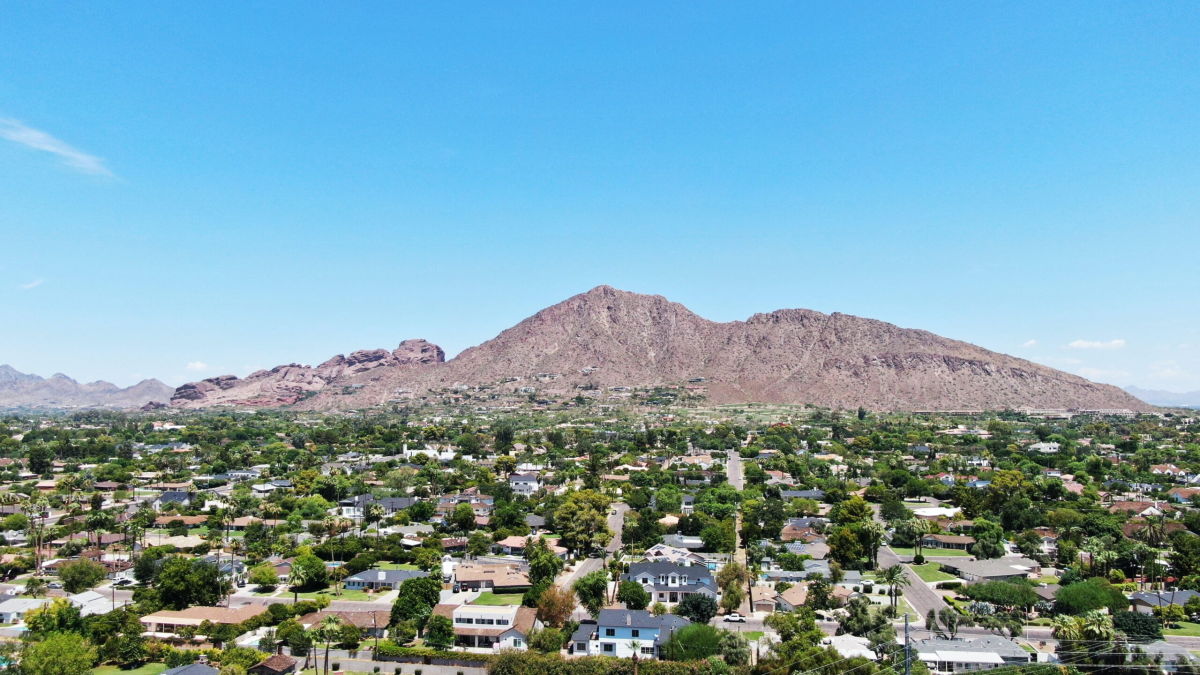
Phoenix works well for solo female travelers who like warm weather, desert scenery, museums, casual restaurants, and a trip that can be either social or quiet. Downtown Phoenix gives first-time visitors the easiest setup because Roosevelt Row, Heritage Square, the Phoenix Art Museum, the Heard Museum, Arizona Science Center, Chase Field, Footprint Center, coffee shops, breweries, and the Valley Metro light rail are close enough to plan full days without constant rideshares. Arcadia and the Biltmore area feel calmer and more polished, with strong brunch, shopping, and quick access to Camelback Mountain hikes.
The caveat is the city layout. Phoenix is huge, summer heat is serious, and many interesting places sit miles apart. Many women will feel comfortable exploring Downtown, Melrose, Tempe, Scottsdale, Arcadia, and Biltmore by day, but should use cars or rideshares for longer hops after dark. It is a good destination for independent women who plan around heat, pick lodging carefully, carry water, and keep nightlife centered in busy districts rather than isolated streets.
Walking around
Walking in Phoenix is most enjoyable when you choose compact pockets instead of imagining the city as one continuous pedestrian grid. Downtown Phoenix is the strongest base for walking: Roosevelt Row has murals, independent galleries, coffee, First Friday energy, and casual places where a woman alone does not stand out. The convention center area, sports venues, Heritage Square, and several museums are also practical on foot. Tempe around Mill Avenue and Tempe Town Lake is another comfortable pedestrian pocket, especially when ASU is in session and the streets feel active.
Outside those areas, sidewalks can be present but distances are long, shade is inconsistent, and summer pavement heat becomes a real safety factor. Arcadia, Biltmore, Melrose, and Old Town Scottsdale are better treated as neighborhood strolls after a car or rideshare drop-off. After dark, stay on busier commercial blocks, avoid canal paths or empty parking lots alone, and use a ride if your destination involves a long walk through quiet streets. In warm months, early morning walks are the sweet spot, with water, sunscreen, and a plan to duck inside before midday heat builds.
Opening Hours
Phoenix runs on a practical desert rhythm. Museums, gardens, coffee shops, brunch spots, and hiking trails reward early starts, while summer afternoons often become indoor time. The Desert Botanical Garden, Heard Museum, Phoenix Art Museum, Arizona Science Center, and Japanese Friendship Garden are the kinds of places to check individually before heading out because hours vary by season, event schedule, and heat conditions. Many restaurants open for lunch and dinner, but independent cafes in Downtown, Arcadia, and Melrose may close earlier than a visitor from New York or London expects.
For solo travelers, the important planning point is that the city does not always offer dense late-night street life outside nightlife zones. Downtown and Old Town Scottsdale stay livelier around bars, sports events, concerts, and First Fridays, while quieter districts wind down quickly. Grocery stores and pharmacies are easy enough by car, but not always pleasant to reach on foot from hotels. When traveling in June through September, schedule hikes and outdoor wandering early, reserve museums or spa time for the hottest hours, and confirm restaurant hours before taking a long rideshare.
Restaurants
Phoenix is excellent for solo dining because the food scene is casual, bar seating is common, and many of the best meals are in neighborhoods where eating alone feels normal. Downtown Phoenix and Roosevelt Row are strong for breweries, cocktail bars, pizza, tacos, coffee, and pre-game meals near the arenas. Arcadia is one of the most reliable food neighborhoods, with brunch spots, polished local restaurants, and relaxed patios that work beautifully for a woman with a book or laptop. Biltmore adds upscale shopping-center dining, while Melrose is useful for more local, unfussy nights.
Arizona dining culture is informal. You can comfortably eat at the bar, ask for tap water, linger over coffee, or choose counter-service spots when you want zero fuss. Dinner generally picks up around 6:00 to 8:30 p.m., happy hour is common, and weekend brunch can be busy. Tipping follows U.S. norms, usually around 18 to 22 percent for table service. Solo travelers should reserve popular restaurants on weekends, choose well-lit commercial streets after dinner, and use rideshare rather than walking a long distance back through empty blocks.
Haggling
Haggling is not part of normal Phoenix shopping culture. Prices in restaurants, boutiques, galleries, museums, supermarkets, pharmacies, hotels, rideshares, and shopping centers are fixed, and trying to bargain in those settings will feel out of place. Taxes are added at checkout, and tips are expected in restaurants, bars, taxis, rideshares, salons, and guided tours. If you are coming from a country where negotiation is common, Phoenix will feel straightforward: read the listed price, add tax, add tip where service is involved, and move on.
The few exceptions are informal markets, vintage fairs, art walks, estate sales, and some secondhand environments where a polite offer may be acceptable. Even there, keep it gentle. A friendly question such as whether a vendor has any flexibility on a larger purchase is better than aggressive bargaining. Solo female travelers may find this fixed-price culture relaxing because there is little pressure to perform or debate. The useful habit is budgeting for service charges, parking, resort fees, and tips, because those extra costs can make Phoenix feel more expensive than the menu or hotel headline price suggests.
Hospitals
Emergency care in Phoenix is strong by international standards, but U.S. healthcare can be expensive without travel insurance. For immediate danger or urgent medical emergencies, call 911. The city has major hospitals and emergency departments across the metro area, including Mayo Clinic Hospital in north Phoenix, which lists an emergency department, 368 licensed beds, diagnostic imaging, laboratory services, and a 5777 E. Mayo Boulevard address. Banner, Dignity Health, HonorHealth, and other systems also operate hospitals and urgent care clinics around the Valley.
Solo female travelers should save their hotel address, travel insurance number, and emergency contacts before going out. Heat illness is a real Phoenix risk, especially for visitors who underestimate dry desert weather because sweat evaporates quickly. Symptoms such as dizziness, confusion, vomiting, or stopped sweating should be treated seriously. Pharmacies and urgent care clinics are useful for minor issues, but verify insurance coverage and opening hours. If you hike, tell someone your route, avoid midday summer trails, and know that mountain rescues happen when visitors run out of water or misjudge the heat.
Drinking Water
Tap water in Phoenix is treated municipal water and is generally drinkable, though many visitors notice a mineral taste because desert water can be hard. Hotels, restaurants, coffee shops, and bars routinely serve water, and asking for tap water is normal. For solo female travelers, hydration matters more here than in many U.S. cities. The air is dry, the sun is strong, and dehydration can creep up during museum days, patio lunches, shopping, or short walks between Downtown blocks.
Carry a refillable bottle and fill it before rideshares, hikes, light rail trips, or outdoor events. In summer, one small bottle is not enough for a morning outside, especially around Camelback Mountain, Papago Park, South Mountain, or Desert Botanical Garden. Electrolytes can help if you are sweating, drinking alcohol, or arriving from a cooler climate. Restaurants will usually refill water freely, and hotel gyms or lobbies often have filtered stations. If you dislike the taste, buy larger bottles from a grocery store rather than relying on expensive single bottles in hotel gift shops.
Alcohol Laws
Arizona follows the U.S. legal drinking age of 21, and bartenders, breweries, clubs, grocery stores, and liquor shops can ask for government ID. Bring a passport or a U.S. driver's license if you have one, because photos of IDs may be refused. Phoenix has an active bar scene in Downtown, Roosevelt Row, Melrose, Biltmore hotels, Tempe, and especially Old Town Scottsdale, where nightlife can get rowdy on weekends and during bachelorette-heavy seasons.
For women alone, the safest alcohol plan is simple: keep drinks in sight, avoid overdoing it in unfamiliar nightlife districts, and pre-plan the ride back. Rideshare is widely used and usually easier than walking between spread-out venues. Public intoxication, open containers in places where they are not allowed, and drinking in a parked car can create legal problems. Many breweries and cocktail bars also serve food or mocktails, so it is easy to enjoy the social scene without pressure. If a venue or street starts to feel messy after midnight, leave early. Phoenix rewards the traveler who treats nightlife as fun but logistical.
Greetings
Greetings in Phoenix are casual, friendly, and generally low-pressure. A smile, hello, or quick how's it going works in cafes, hotel lobbies, shops, galleries, and trailheads. Service workers often make light conversation, and locals may offer directions if you look uncertain. Women traveling alone should not feel obliged to be overly warm with strangers, though. It is perfectly acceptable to be polite, brief, and keep moving.
Phoenix sits in the Southwest, so the social tone is relaxed rather than formal. Dress codes are usually practical and climate-driven: breathable clothes, sunglasses, hats, and comfortable shoes by day, with smarter casual outfits for Biltmore dinners, Scottsdale bars, resort restaurants, and upscale hotel lounges. There are no special modesty rules for women tourists, but sun protection is not optional if you plan to be outside. On hiking trails, greet people briefly, stay aware of route markers, and avoid following strangers into isolated areas. In nightlife zones, friendly conversation is common, but so is the need for clear boundaries.
Punctuality
Phoenix operates on standard U.S. punctuality. Arrive on time for restaurant reservations, guided tours, spa appointments, medical appointments, airport shuttles, and business meetings. Restaurants may hold tables for only a short grace period on busy weekends, especially in Downtown, Scottsdale, Arcadia, and resort areas. If you are delayed by traffic or a rideshare wait, call ahead rather than assuming the reservation will remain open.
The city also requires punctuality with weather. In summer, being late to a hike can turn a reasonable plan into a dangerous one because temperatures rise quickly. Experienced local hikers start early, carry more water than they think they need, and turn back before heat becomes punishing. Valley Metro light rail and buses can be useful, but check schedules instead of wandering to a stop in full sun. For solo travelers without a car, build buffers into the day: rideshares may take longer during events, Spring Training, basketball games, concerts, convention traffic, or airport rushes. A calm Phoenix itinerary is one that respects distance and heat.
Meeting People
Phoenix is a good place to meet people if you put yourself in the right settings. Roosevelt Row's First Friday art walk is one of the easiest social environments because galleries, food vendors, murals, and live music bring locals and visitors into the same streets. Breweries, hotel bars, yoga studios, coworking spaces, hiking meetups, ASU-adjacent Tempe events, and guided desert tours can also be comfortable for women traveling alone. Scottsdale's art walk and nightlife are more polished and sometimes more tourist-heavy, while Melrose has a friendly LGBTQ+ and local-business feel.
This is not a city where random sidewalk conversation is guaranteed, because everyone is often driving between destinations. Plan social moments intentionally. Choose bar seating, take a small group tour, join a guided hike instead of hiking alone, or work from a cafe in Downtown, Arcadia, or Biltmore. As always, keep first meetings public, do not share hotel details too quickly, and use your own transportation. Many locals are warm, but Phoenix's spread-out geography means your independence is still your best safety net.
Practical Considerations
Phoenix uses the U.S. dollar, Type A and Type B electrical outlets, and 120V power. Credit cards and contactless payments are widely accepted, but it is useful to carry a small amount of cash for tips, parking, farmers markets, or small vendors. Wi-Fi is common in hotels, cafes, coworking spaces, museums, and many restaurants. Mobile coverage is generally good across tourist areas, though desert parks and mountain trails can have patchy spots.
The practical headline is heat. Phoenix has mild, beautiful winters and shoulder seasons, but summer temperatures can be dangerous. Plan outdoor activities at sunrise or after sunset, wear sunscreen, use sunglasses, and do not leave phones, medication, makeup, or water bottles baking in a car. Air conditioning can be intense indoors, so a light layer can help even when it is hot outside. The city is also spread out, so renting a car may be useful for a longer stay, while Downtown-focused trips can work with light rail and rideshare. Travel insurance is wise because U.S. healthcare costs are high.
Accommodation
For a first Phoenix trip, Downtown is the most practical solo base because it combines museums, sports venues, restaurants, Roosevelt Row, light rail, and airport access better than any other area. It is also one of the few places where a visitor without a car can have a real city itinerary. Look for lodging near Roosevelt Row, the Convention Center, or central light rail stops if you want to minimize isolated walks. The tradeoff is price and some blocks that feel uneven late at night.
Arcadia and Biltmore suit women who want food, shopping, calm evenings, and a more polished feel, but they work best with rideshare or a car. Old Town Scottsdale is good for luxury hotels, nightlife, galleries, and spa days, though it can be expensive and party-heavy on weekends. Tempe is useful for budget travelers and younger energy near ASU. Hostels are limited compared with major backpacker cities, so solo travelers often do better with well-reviewed hotels, aparthotels, or private rooms in central areas. Prioritize reviews that mention parking, lighting, walkability, and staff responsiveness.