Is Omaha Safe for Solo Female Travelers?
united states
Omaha gives solo women an easygoing mix of Old Market charm, riverfront parks, serious arts, and neighborhoody food scenes. The caveat is simple: stay central, plan transport after dark, and respect the city's spread-out layout.
Stats
Key Safety Tips
Why Omaha is perfect for solo female travelers
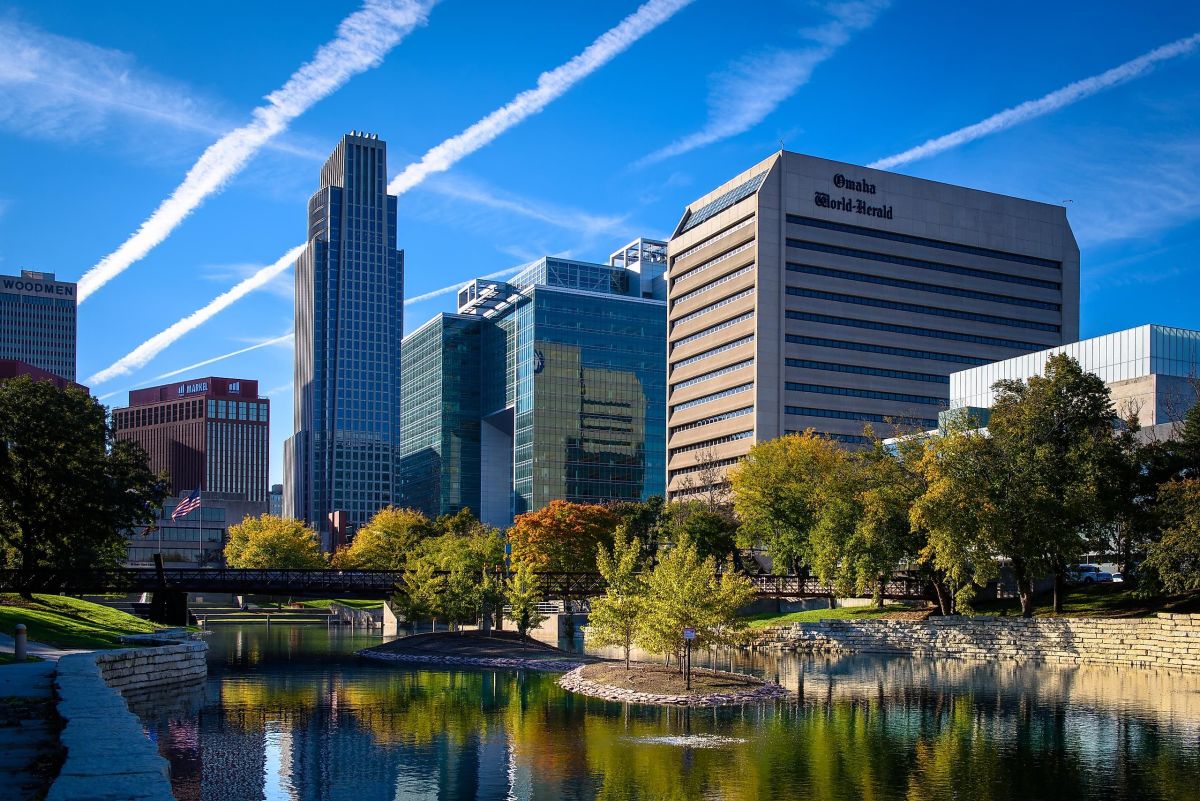
This seasoned traveler has found Omaha easiest to understand as a friendly Midwestern city with a compact visitor core and a few lively neighborhood pockets. The strongest first stop is Old Market, a nine-block historic district of brick streets, galleries, restaurants, bars, hotels, and the Saturday Omaha Farmers Market from May through October. Downtown also puts you close to Gene Leahy Mall, Heartland of America Park, the Durham Museum at 801 S 10th Street, the Orpheum Theater at 409 S 16th Street, and the Bob Kerrey Pedestrian Bridge at 705 Riverfront Drive. For a woman traveling alone, that concentration matters: fewer complicated transfers, more people around, and easy resets back to the hotel.
Omaha is not a polished big-city destination where every neighborhood works equally well without a car. That is the caveat. Safety sources rate the city broadly manageable, with Travel Ladies giving a 3.8 out of 5 women's safety index and other guides calling women travelers risk low while still warning against isolated areas after dark. The sweet spot is a trip built around daylight wandering, museums, riverfront parks, and social but well-lit dinner districts like Old Market, Blackstone, Aksarben Village, Midtown Crossing, Benson, and Dundee. It rewards curious solo travelers who like art, steakhouse history, casual music venues, and relaxed neighborhood coffee stops.
Walking around
Omaha's walkability is real in specific districts, not across the whole city. Old Market and the surrounding downtown blocks are the most practical base for a visitor without a car because the streets connect hotels, restaurants, galleries, the RiverFront parks, the Durham Museum, and the performing arts venues in one compact zone. Gene Leahy Mall runs from roughly 14th Street toward 8th Street, with lawns, paths, playground space, and quiet corners that make a daytime solo walk feel pleasant rather than empty. From there, Heartland of America Park and Lewis and Clark Landing add open riverfront space, and the Bob Kerrey Pedestrian Bridge gives the classic skyline walk.
The better neighborhood walks are deliberate: Underwood Avenue in Dundee for a calmer historic feel, Farnam Street through Blackstone for restaurants and cocktails, Maple Street in Benson for live music and bars, and Aksarben Village for Stinson Park, Inner Rail Food Hall, Aksarben Cinema, and the Keystone Trail. Wear comfortable shoes because sidewalks can be interrupted outside the core and distances expand quickly. At night, this traveler would walk only short, well-lit stretches with other people around, then switch to Lyft, Uber, hotel valet, or a taxi. Safety guides specifically warn against wandering riverfront or downtown edges alone late at night, so treat the city as a daylight walking destination with selective evening walks.
Opening Hours
Omaha runs on a standard Midwestern rhythm: mornings start early, cultural attractions cluster into daytime and early evening windows, and the best restaurant districts get livelier after 5 p.m. The Joslyn Art Museum at 2200 Dodge Street is a strong daytime anchor and should be checked before going because museum hours and special exhibitions can change, with some sources noting Monday closures. The Durham Museum, Kiewit Luminarium, Omaha Children's Museum, and Lauritzen Gardens are also day-first attractions, so plan them before dinner rather than leaving them for a late slot. The RiverFront parks are useful for morning coffee walks, afternoon breaks, and early evening sunset time, but solo travelers should avoid isolated park paths after dark.
Restaurant hours vary sharply by style. A fine-dining Old Market restaurant such as V. Mertz lists dinner-focused hours beginning at 5:30 p.m., closed Monday, with smart-casual dress and shorter service windows on weeknights. Casual spots, cafes, hotel bars, and food halls are easier for flexible solo meals, especially in Aksarben Village, Blackstone, Dundee, Midtown Crossing, Benson, and Old Market. Shops in Old Market and neighborhood boutiques may close earlier than bars, particularly Sunday through Wednesday. In winter, build extra padding because snow, wind, and early darkness change the feel of the evening. In summer, reserve ahead around College World Series dates, big CHI Health Center events, and weekend festivals.
Restaurants
Omaha is a quietly excellent solo dining city because its food culture is more welcoming than intimidating. Old Market is the easiest first-night zone: it has a dense mix of patios, wine-forward restaurants, steakhouses, casual cafes, dessert stops, and hotels within a few blocks. V. Mertz in Old Market is a polished option with smart-casual dress and dinner hours from 5:30 p.m., while Omaha Prime and other steakhouse choices lean into the city's beef reputation. A solo traveler who wants something lower pressure can sit at a bar, choose an outdoor table when weather is good, or use hotel restaurants for a soft landing after arrival.
The best neighborhood eating happens outside the tourist core. Blackstone is built for dinner hopping, cocktails, breweries, and late-night food along Farnam Street. Aksarben Village has Inner Rail Food Hall, Stinson Park, cinema traffic, and hotels that feel convenient for women who prefer a mixed-use environment. Dundee offers chef-driven restaurants and calmer tree-lined streets, while Benson adds indie music energy and casual bars along Maple Street. Omaha specialties worth trying include steak, the Runza sandwich, Reuben lore connected to the old Blackstone Hotel, craft ice cream, and farm-to-table Midwestern cooking. Normal U.S. tipping applies: 18 to 22 percent at full-service restaurants, a few dollars for bartenders, and extra patience during event weekends.
Haggling
Haggling is not part of normal Omaha shopping culture. Prices are fixed in boutiques, grocery stores, museums, cafes, restaurants, hotels, ride-share apps, and most tour or event settings. In Old Market, where independent shops and galleries make browsing especially tempting, assume the tag is the price and use polite small talk rather than bargaining. The same goes for Dundee storefronts, Aksarben Village businesses, Blackstone restaurants, Benson music venues, and Capitol District bars. If a price feels wrong, ask a direct practical question: "Is this the final price before tax?" or "Do you have any sale items today?" That lands better than negotiating.
There are a few exceptions. At flea markets, vintage fairs, estate sales, farmers markets near closing time, or informal pop-up events, a gentle offer may be acceptable if done respectfully and without pressure. Start with something like, "Would you consider a little less if I buy two?" and be ready to pay the marked price. For hotel rooms, taxis, and tours, do not haggle in person. Compare rates online, use official booking channels, or ask about discounts for AAA, students, military, extended stays, or package deals. For rideshares, the app price is the price. For safety, avoid street ticket sellers around large venues such as CHI Health Center Omaha or Charles Schwab Field, and buy event tickets through official platforms.
Hospitals
Emergency care in Omaha is strong by U.S. standards, but visitors should remember that American medical care can be expensive without travel insurance. For life-threatening emergencies, call 911. Nebraska Medicine's Nebraska Medical Center Emergency Department is a major option at 4350 Dewey Avenue, open 24 hours a day, with the listed phone number 402-559-6637. It sits near the University of Nebraska Medical Center corridor, which is also served by the ORBT route along Dodge Street. Methodist Health System publishes patient estimate and pricing resources, reminding travelers that standard charges are rarely the final patient price and that actual out-of-pocket cost depends on insurance, discounts, and the service provided.
This seasoned traveler would save three addresses before arrival: the nearest emergency department to the hotel, a nearby urgent care clinic for non-emergency illness, and a 24-hour pharmacy or grocery pharmacy. Downtown and Midtown hotels usually make medical access easier than far western suburbs if you do not have a car. If you are visiting from outside the United States, buy travel medical coverage that includes emergency room care and medical transport. Carry prescription medications in original packaging, keep a photo of your passport and insurance card, and use rideshare or hotel help for non-emergency transport. For sexual assault, stalking, or serious harassment, call 911 immediately and ask hotel staff for a private, well-lit place to wait.
Drinking Water
Omaha tap water is generally safe to drink. Metropolitan Utilities District, usually called M.U.D., monitors the local supply and serves the metro area through thousands of miles of water mains. Sources describe Omaha water as coming from the Missouri River, Platte River sources, and the Dakota sandstone aquifer, treated through plants such as Florence, Platte West, and Platte South. Culligan Quench notes that Omaha water meets federal and state drinking water rules, and M.U.D. consumer confidence material says the water continues to meet or exceed state and federal standards. The practical traveler takeaway is simple: you can refill a bottle at the hotel, airport, museums, and restaurants without treating the water as unsafe.
The caveat is taste and hardness. Omaha water is often described as hard, and some visitors notice mineral taste or dryness on skin and hair. If you are sensitive, use a filtered bottle, buy a few gallons for the room, or ask for filtered water at cafes. Do not drink untreated river, lake, or splash-pad water, especially during hot summer weather. If there is a boil advisory, major hotels and local news will usually know quickly, and M.U.D. customer service can provide current status. For solo travelers, a reusable bottle is useful at the zoo, Lauritzen Gardens, the RiverFront, and long walks through Old Market or Aksarben. In winter, hydration is easy to forget because the cold wind feels drying rather than thirsty.
Alcohol Laws
Omaha follows Nebraska and U.S. alcohol norms: the legal drinking age is 21, and bars, restaurants, music venues, breweries, and hotel lounges will ask for government-issued photo ID. Bring a passport or U.S. driver's license, not just a photo on your phone. The city has entertainment and liquor-license categories for venues and common areas, and districts such as Old Market, Blackstone, Benson, Capitol District, and Aksarben Village are where travelers are most likely to encounter bar culture. Open-container rules can vary by licensed event area, so assume you cannot carry alcohol outside unless signs and staff clearly say that a specific event district allows it.
For women traveling alone, Omaha nightlife is approachable but requires ordinary city caution. Safety guides describe nightlife as generally safe while recommending vigilance around belongings and drink safety. The Travel Safe Abroad guide is blunt about downtown and riverfront caution after dark, so the best pattern is dinner and one or two venues in a compact district, then rideshare back to the hotel. Watch your pour, avoid leaving drinks unattended, and skip a second location if the walk between bars feels empty. Tipping bartenders is standard, usually $1 to $2 per simple drink or 18 to 22 percent for cocktails and food. Last call timing changes by venue, but do not plan around late public transit in unfamiliar areas.
Greetings
Omaha's social style is Midwestern: friendly, informal, and usually direct. A simple "hi," "good morning," or "thanks" works everywhere from hotel desks to coffee counters. You do not need formal greetings, titles, or elaborate etiquette. Many locals will chat if you ask a specific question about food, directions, a show, or a neighborhood, and that warmth can be genuinely helpful for a solo traveler. At the same time, friendliness is not an obligation to share personal details. If a conversation becomes too personal, it is fine to smile, say you need to meet someone, and leave.
In restaurants, greet the host, say whether you are dining alone, and ask for the bar if you want a more social seat. In boutiques and galleries, staff may say hello soon after you enter; acknowledging them keeps the interaction easy. At live music venues in Benson or cocktail bars in Blackstone, casual small talk is normal, but personal space still matters. Dress codes are generally relaxed, with smart casual useful for nicer restaurants like V. Mertz, the Orpheum Theater, or upscale hotel bars. Omaha is not a place where women tourists need to dress conservatively for cultural reasons. Dress for weather first: wind, summer heat, snow, and sudden storms matter more than fashion. Polite confidence goes a long way here.
Punctuality
Omaha runs on time in the way most U.S. cities do. Restaurant reservations, museum timed entries, theater curtains, medical appointments, and paid tours should be treated as firm. Arrive 10 to 15 minutes early for dinner reservations in Old Market or Blackstone, and much earlier for large events at CHI Health Center Omaha, Charles Schwab Field during College World Series season, Steelhouse Omaha, or the Orpheum Theater. Event traffic and parking can slow the last mile even when the map looks short. If you are using rideshare, request the car before you feel rushed because demand jumps after concerts, sports games, and weekend bar closing times.
Social plans can be looser, especially casual coffee, markets, or meetups, but do not assume everyone is comfortable waiting. If you are meeting a local friend or attending a group event, send a quick message if you are more than five minutes late. For public transit, check Metro schedules and ORBT timing before leaving because frequency is useful along Dodge Street but not equal across the city. Winter weather deserves its own punctuality rule: leave early. Snow, ice, bitter wind, and road treatment can change a 12-minute ride into 30 minutes. In summer, storms can interrupt outdoor plans quickly, so keep flexible backup ideas like the Joslyn, Durham Museum, Kiewit Luminarium, or a hotel lobby cafe.
Meeting People
Omaha is better for organic conversation than for high-volume backpacker socializing. The city has some hostels and budget properties listed through booking platforms, but it is not a classic hostel circuit destination. A solo woman is more likely to meet people through neighborhood rhythms: Saturday farmers markets in Old Market, Sunday market activity in Aksarben Village, live music in Benson, gallery and art events, Turner Park programming at Midtown Crossing, and coffee or dinner bars in Blackstone and Dundee. GirlFriend Social lists Omaha neighborhoods such as Old Market, Dundee, Benson, Little Italy, Aksarben Village, and Blackstone District as areas where women can seek platonic friendships, which matches the city's strongest social pockets.
For a first visit, choose structured settings over random late-night mingling. Look for a walking tour, a museum program at the Joslyn or Durham, a Film Streams screening, a Steelhouse or Slowdown show, an Inner Rail Food Hall table, or a daytime meetup. Hotel bars can be comfortable for solo conversation because business travelers pass through downtown and Midtown properties. Use the same safety filter you would in any U.S. city: meet in public, keep your accommodation private until trust is earned, do not accept rides from strangers, and share plans with someone if the meetup moves to a second location. Omaha locals are often generous with recommendations, so asking for a favorite coffee shop can open a friendly exchange without creating pressure.
Practical Considerations
Omaha uses U.S. dollars, standard U.S. Type A and Type B plugs, 120V electricity, English, and Fahrenheit temperatures. Cards and tap-to-pay are widely accepted, but carry a small amount of cash for tips, markets, vending machines, or rare small vendors. Sales tax is added at checkout rather than shown in the sticker price. Wi-Fi is normal in hotels, cafes, libraries, and many public institutions, and Amazing Hotels listings repeatedly note free Wi-Fi at popular properties. Digital nomads will find the easiest work bases in downtown hotels, Aksarben Village hotels, Midtown Crossing, and coffee-rich neighborhoods like Dundee, Blackstone, and Benson.
Weather is the biggest practical swing. Summers can be hot and humid, with temperatures around the upper 80s Fahrenheit common in peak season. Spring and summer can bring severe thunderstorms and tornado watches, while winter can bring bitter cold, snow, ice, and wind. Safety guides classify natural disaster risk as meaningful because of storms and winter conditions, so enable weather alerts and know where the interior shelter area is in your hotel. Eppley Airfield is about three miles northeast of downtown, which makes arrivals convenient. Omaha is not car-free friendly outside the core, so pick accommodation based on your itinerary. Downtown works for first-timers, Aksarben or Midtown works for a calmer mixed-use stay, and far suburbs work only if you have a car.
Accommodation
The best accommodation choice for a solo female traveler is usually Downtown or Old Market for a first trip, followed by Midtown Crossing, Aksarben Village, or Blackstone if your itinerary leans food, music, or a quieter local base. Old Market gives the clearest visitor logic: restaurants, boutiques, galleries, the RiverFront, the Durham Museum, and performing arts are close together. Miss Tourist recommends Old Market for first-timers and travelers without a car, and downtown hotels such as The Farnam, Omaha Marriott Downtown at the Capitol District, Hotel Deco, Magnolia Hotel Omaha, Hyatt Place Downtown Old Market, and EVEN Hotel Downtown appear across travel accounts and booking-style guides.
Aksarben Village is useful if you want newer hotels, free parking or easier driving, a food hall, Stinson Park, and quick access to UNO and the Keystone Trail. Amazing Hotels lists properties such as Aloft Omaha Aksarben Village, Hilton Garden Inn Omaha Aksarben Village, Courtyard by Marriott Omaha Aksarben Village, Hampton Inn Omaha Midtown-Aksarben, and Element Omaha Midtown Crossing among women-popular or well-located options. Dundee and Blackstone have stronger neighborhood character but fewer conventional hotel choices, so they may work better through boutique stays or nearby Midtown hotels. Avoid booking far out west, north, or south solely for a cheaper rate unless you have a car and understand the commute. For safety, prioritize interior corridors, 24-hour front desks, recent women traveler reviews, and well-lit arrival areas.