Is Oklahoma City Safe for Solo Female Travelers?
united states
Oklahoma City gives solo women friendly central districts, serious Western culture, and an easygoing food scene, but it asks for smart transport planning after dark and real respect for severe weather.
Stats
Key Safety Tips
Why Oklahoma City is perfect for solo female travelers
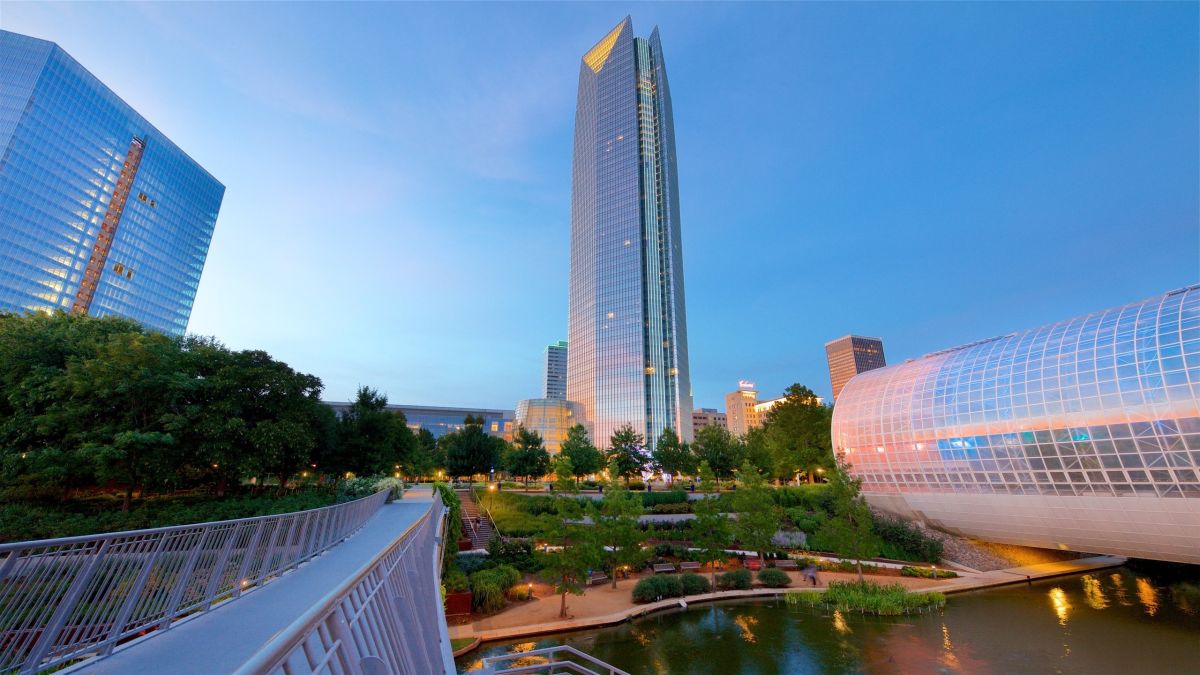
Oklahoma City works best for a solo female traveler who wants a friendly, creative American city without the intensity of a huge coastal metro. This seasoned traveler would base herself in Downtown, Bricktown, Midtown, Automobile Alley, or the Plaza and Paseo arts districts, then use rideshare or a rental car for the wider city. The best version of OKC is very approachable: the Bricktown Canal, Myriad Botanical Gardens, Oklahoma City National Memorial & Museum, Paycom Center, Scissortail Park, Oklahoma City Museum of Art, and the streetcar loop all sit close enough that a careful visitor can build full days without complicated logistics.
The city is not a place to wander blindly at every hour. Safety varies by block, and the broader metro has higher property crime than many visitors expect. That does not make Oklahoma City off-limits for women traveling alone. It means the right neighborhoods, a well-reviewed hotel, and a realistic transport plan matter. Many women will feel comfortable in busy central districts during the day and early evening, especially around restaurants, hotels, museums, and event venues. Late at night, use rideshare rather than long walks through empty downtown blocks or parking lots.
What makes OKC rewarding is the mix of Western history, Indigenous and cowboy heritage, contemporary art, basketball energy, coffee shops, live music, and a surprisingly strong restaurant scene. It is also easy to talk to people here. Southern Plains friendliness shows up in casual hellos, helpful hotel staff, and locals who are happy to explain where to eat next. The caveat is weather: spring storm season is real, summer heat can be draining, and tornado alerts should be taken seriously. With a good base and common sense, OKC can feel open, warm, and refreshingly unpretentious.
Walking around
Walking in Oklahoma City is highly neighborhood-dependent. This seasoned traveler has found the most pleasant walking in the central visitor corridor: Bricktown, Downtown, Midtown, Automobile Alley, Scissortail Park, Myriad Botanical Gardens, parts of Deep Deuce, and the arts-focused blocks of Plaza and Paseo. In these districts, sidewalks, lighting, hotel entrances, restaurants, streetcar stops, and event crowds create a more comfortable rhythm for solo exploration. Daytime wandering around the National Memorial, the Museum of Art, Myriad Gardens, Bricktown Canal, and the Paycom Center area can feel straightforward when you stay on main streets and keep your route intentional.
The wider city is another story. Oklahoma City is geographically large and car-oriented, so distances that look manageable on a map can become long, exposed, or boring on foot. Some areas have gaps in sidewalk quality, low pedestrian traffic, and wide roads built more for driving than strolling. A solo woman should not plan to walk between all neighborhoods, especially after dark or in extreme heat. Use the OKC Streetcar for its central loop, EMBARK buses when schedules match, and rideshare when the route gets isolated.
At night, the safest walking is short, direct, and around active areas. Bricktown usually has the most visitor foot traffic, especially around the canal, restaurants, ballpark, and event venues. Midtown can feel good around its restaurant and bar clusters, but side streets quiet down. Downtown business blocks can become empty outside event hours, which changes the feel quickly. Keep your phone charged, avoid cutting through empty parking lots, and do not let the city's friendliness talk you out of normal urban caution.
Weather matters for walking too. Summer afternoons can be hot and humid, with pavement radiating heat. Spring storms can build fast, and lightning, hail, or tornado warnings change plans immediately. Check alerts before long walks, carry water, and treat shade breaks as part of the itinerary rather than a weakness.
Opening Hours
Oklahoma City runs on a practical American schedule with a few district-specific rhythms. Museums, gardens, and civic attractions are usually daytime plans, while restaurants and bars carry the evening. A solo traveler should always check current hours before heading out because OKC businesses can keep different schedules by neighborhood and day of week. Downtown restaurants around hotels and event venues are the most reliable for predictable meals. Smaller cafes and independent shops in Plaza, Paseo, Midtown, and Automobile Alley may close earlier than a visitor from New York, London, or Buenos Aires expects.
Breakfast and coffee are easy in central neighborhoods. Spots around Midtown and Downtown, including places like Elemental Coffee, Clarity Coffee, Kitchen 324, and hotel cafes, make solo morning planning simple. Lunch often runs from late morning through mid-afternoon, and dinner service commonly begins around 5 p.m. Many kitchens slow down on Sunday or Monday, so check before saving a specific restaurant for the last night of a trip. Food halls and casual restaurants are useful when you do not want the pressure of a formal reservation.
Nightlife is concentrated rather than citywide. Bricktown, Midtown, Automobile Alley, and parts of Plaza or Paseo are the places to look for bars, music, and late dinners. Event nights at Paycom Center or the Criterion make surrounding streets feel busier and more comfortable. On quiet weeknights, the same blocks can empty out quickly, especially after office workers go home.
Transit hours should shape your evenings. The OKC Streetcar connects the central visitor districts and runs seven days a week, with frequent arrivals on the downtown platforms and later service on weekend Bricktown loops. That is useful, but it is not a substitute for a full metro rail system, and it does not go to Will Rogers World Airport. If your dinner, show, or bar is outside the streetcar corridor, plan the ride back before you sit down.
Restaurants
Oklahoma City is much better for solo dining than many first-time visitors expect. The strongest food areas for a woman eating alone are Downtown, Bricktown, Midtown, Automobile Alley, Paseo, Plaza, and the Asian District. These neighborhoods have the mix that solo travelers need: visible entrances, bar seating, casual counter-service options, hotel proximity, short rideshare pickups, and enough other people around that dining alone does not feel strange. The city has steakhouse tradition, Vietnamese food, brunch cafes, tacos, ramen, food halls, rooftop drinks, and polished hotel restaurants.
Downtown and the streetcar corridor are especially practical. VisitOKC's streetcar guide points travelers toward stops near Kitchen 324, The Collective food hall, Elemental Coffee, Tamashii Ramen, Mahogany Prime Steakhouse, Flint, Vast in Devon Tower, Bob's Steak and Chop House at the Omni, and restaurants along Sheridan in Bricktown. For a solo woman, that means you can pair food with transport instead of ending the night in a distant parking lot. A seat at the bar in a hotel restaurant or a busy brunch spot can be easier than a two-top in a silent dining room.
Bricktown is the obvious visitor dining district, with canal-side restaurants, sports crowds, and easy post-dinner entertainment. It can be fun and convenient, but it also draws tourists, so check recent reviews and do not assume every patio is the best version of OKC food. Midtown and Automobile Alley feel more local and adult, with coffee, cocktails, ramen, Italian, and smaller dining rooms that work well for solo evenings. Plaza and Paseo are better for daytime browsing plus dinner when you already know your route home.
Tipping is part of the restaurant culture. Plan for about 18 to 20 percent for table service and at least a dollar or two per drink at a bar. Dress is usually casual to smart casual unless you choose fine dining. Staff are generally used to friendly small talk, but you never need to explain why you are alone.
Haggling
Oklahoma City follows normal U.S. pricing culture: most posted prices are fixed. This seasoned traveler would not bargain at restaurants, grocery stores, hotel desks, museum shops, boutiques, bars, coffee shops, or ticket counters. It comes across as awkward and can make an interaction feel tense for no good reason. Sales tax is added at checkout, so the final amount may be higher than the shelf price. Tips are separate in restaurants, bars, taxis, rideshares, salons, and some hotel services.
There are a few places where light negotiation can make sense. Antique shops, vintage markets, garage sales, flea-market style events, craft fairs, and some independent vendors may have more flexibility, especially if you are buying multiple items or paying for a piece with visible damage. The Plaza and Paseo arts scenes have galleries and maker shops, but that does not mean every artist wants to negotiate. If you are interested in a larger piece, ask politely whether there is any flexibility or whether shipping can be included. Keep the tone warm and accept no the first time.
For solo female travelers, the safety angle is less about money and more about control. Do not get pulled into a long bargaining conversation with someone who makes you uncomfortable, especially in a parking lot, outside an event, or near a self-pay lot downtown. One known visitor scam in OKC involves people pretending to collect parking fees near events. Pay only through official meters, apps, hotel valet desks, or clearly marked kiosks.
Rideshares and taxis should be handled through the app or meter rather than side deals. For hotels, ask about fees before booking instead of trying to negotiate at checkout. For markets, carry a card and a small amount of cash, but keep larger bills tucked away. Polite confidence is the right energy here.
Hospitals
Oklahoma City has solid emergency infrastructure for travelers, especially if you are staying near the central districts. For immediate emergencies, call 911. EMSA serves Oklahoma City as the public trust emergency medical service, with medical oversight and ambulance operations covering the metro. That means a visitor in a real emergency should not try to compare hospitals from a hotel room. Call 911, give the dispatcher your location, and let emergency services route you appropriately.
The biggest hospital cluster for central OKC visitors is near the Health Sciences Center and Medical District. OU Health University of Oklahoma Medical Center is a major name to know, and SSM Health St. Anthony Hospital is another familiar hospital option close to Midtown and central hotels. A solo traveler staying Downtown, Bricktown, Midtown, or the State Capitol and Medical Center area is not far from serious care by rideshare, taxi, or ambulance. For non-emergency issues, urgent care clinics around the metro can be simpler than an emergency room, but check opening hours and insurance/payment policies first.
International travelers should assume U.S. healthcare can be expensive. Travel insurance that covers emergency care, ambulance transport, and trip disruption is not a luxury here. Carry your insurance details, medication list, allergies, and emergency contact in both your phone and a small card in your wallet. If you use prescription medication, bring enough for the whole trip and keep it in the original labeled packaging.
OKC's practical health risks include heat, dehydration, severe weather stress, and driving-related logistics. Summer heat can cause symptoms quickly if you are walking downtown or waiting for transit. Spring storms can disrupt roads and power. If you feel unsafe, sick, or stranded, hotel front desks are often the fastest human help point for a solo traveler because they can call a taxi, confirm a clinic, or help explain your location.
Drinking Water
Tap water in Oklahoma City is generally treated municipal drinking water and is acceptable for normal traveler use. This seasoned traveler would drink it in hotels, restaurants, and cafes unless there is a specific local advisory posted during the trip. The taste may be different from home because regional water sources and treatment can leave a mineral or chlorinated flavor. If taste bothers you, buy a large bottle for your room or use a filtered bottle, but do not assume bottled water is required for safety.
The bigger issue is hydration. Oklahoma City summers are hot and often humid, and central pavement around Downtown, Bricktown, Scissortail Park, and parking lots can make heat feel stronger than the forecast suggests. Carry water when walking between attractions, especially from late morning through early evening. If you plan to explore the National Memorial, Myriad Botanical Gardens, Scissortail Park, or outdoor murals, build in indoor breaks at cafes, museums, or hotel lobbies.
Storm season also changes drinking-water planning in a subtle way. Spring severe weather can arrive quickly, and while tourists rarely need anything dramatic, it is sensible to keep water in your hotel room along with a charged phone and basic snacks if forecasts look rough. Tornado warnings, hail, or flash flooding can interrupt dinner plans or rideshare availability.
Restaurants serve tap water by default, usually with ice, and refills are normal. You do not need to order bottled water to avoid looking strange. In bars, ask for a water between alcoholic drinks, especially if you are moving between venues in Bricktown or Midtown. Solo travel is more comfortable when you stay sober enough to manage transport and weather decisions without guessing.
Alcohol Laws
Oklahoma City is not a dry or difficult city for a traveler who wants a drink, but the rules still matter. The legal drinking age is 21, and ID checks are normal. Bring a passport or a government-issued photo ID if you look young, because bartenders and store clerks may refuse service without it. Restaurants, hotel bars, breweries, cocktail lounges, and event venues are part of the city's social life, especially in Bricktown, Midtown, Automobile Alley, Downtown, and the Plaza District.
Oklahoma modernized alcohol sales in recent years. Beer and wine are commonly available in grocery stores and gas stations, while liquor is sold through liquor stores. News coverage of the law changes noted that grocery and gas stations can sell wine and high-point beer during broad hours, including Sundays, while liquor stores operate under a different schedule. For a visitor, the practical lesson is simple: buy what you need earlier in the day if timing matters, and do not assume a late-night liquor run will be easy.
The solo female safety advice is more important than the legal details. Bricktown and Midtown can be fun for a drink alone, but choose visible, well-reviewed places with bar seating and a clean exit plan. Hotel bars, restaurant lounges, and rooftops like O Bar can be more comfortable than standalone bars where you do not know the door staff or crowd. Watch your drink, do not leave it unattended, and order directly from bartenders or servers.
Public intoxication, drinking in cars, and open-container issues can become legal problems quickly, as in the rest of the United States. Rideshare is the easiest answer after more than one drink. If a stranger offers to drive you, decline. Oklahoma hospitality is real, but your transport should stay boring and trackable.
Greetings
Oklahoma City has a friendly Southern Plains social style. People may say hello in elevators, chat with you at coffee counters, ask where you are visiting from, or offer restaurant suggestions without expecting anything complicated in return. A solo woman does not need to be guarded every second, but she should keep the boundary between friendly and over-involved clear. Smile, say thanks, and move on when you want to move on.
Common greetings are simple: hi, hey, how are you, or nice to meet you. A handshake is normal in business or formal settings, while casual venues rarely require more than a smile and direct eye contact. In boutiques, galleries, and restaurants, staff will often greet you when you enter. It is polite to acknowledge them even if you are only browsing. In smaller arts districts like Paseo or Plaza, conversations can feel more personal because business owners and artists may be present.
Solo travelers sometimes worry that friendliness is a trap. In OKC, it is often just the local mode. Still, trust your instincts if someone asks too many personal questions, presses for your hotel name, or tries to turn a brief exchange into a private plan. You can say, I am meeting a friend, I have a reservation, or I need to head out now. You do not owe a full explanation.
Dress norms are relaxed. Jeans, boots, sneakers, sundresses, casual tops, and smart-casual dinner outfits all fit depending on the venue. Fine dining, rooftop bars, and business hotels call for a cleaner look, but most visitor settings are not fashion-policing women. Respect is shown more through warmth, tipping, patience, and basic manners than through formal etiquette.
Punctuality
Oklahoma City is fairly punctual in the ordinary U.S. way. Restaurant reservations, tours, rideshares, medical appointments, event start times, and hotel check-in rules should be treated seriously. If a show at the Criterion, a Thunder game at Paycom Center, a museum ticket, or a guided tour lists a time, aim to arrive early. Downtown parking, street closures, event crowds, summer heat, and storms can all make a last-minute arrival more stressful than expected.
For casual social plans, locals may be a little more relaxed, but do not assume that means late is fine everywhere. A solo traveler joining a meetup, class, walking tour, or small-group activity should arrive on time because it protects your own safety. You get to assess the venue, choose a seat, and avoid rushing through unfamiliar streets. If you are meeting someone from an app or travel community, use a public place, tell someone where you are going, and set a clear start and end time.
Transit timing needs extra attention. The OKC Streetcar is useful in the central loop, with frequent service on downtown platforms, but it still requires waiting and route planning. EMBARK buses and RAPID service can be helpful, yet Oklahoma City remains car-dependent for many visitor trips. If you have a flight at Will Rogers World Airport, do not rely on a last-minute public transit connection. Use rideshare, taxi, hotel shuttle if offered, or a rental car plan.
Weather is the reason to build buffers. Tornado watches, severe thunderstorm warnings, hail, and heavy rain can slow traffic or make walking unsafe. Summer heat can also make you move slower than planned. In OKC, being punctual is partly about logistics and partly about giving yourself enough margin to make calm decisions.
Meeting People
Oklahoma City can be surprisingly easy for solo women who want casual conversation. The city is friendly, and central districts give you low-pressure places to be around people without committing to a party scene. Coffee shops in Midtown and Automobile Alley, brunch counters Downtown, art openings in Paseo, boutiques and murals in Plaza, food halls, hotel bars, and event crowds around Paycom Center or the ballpark all create natural openings for short chats.
The best strategy is to choose structured environments. A museum visit, streetcar-based outing, cooking class, gallery event, Thunder game, minor league baseball game, brewery tour, or live music night gives the conversation a subject. It is easier and safer than accepting vague invitations from strangers. The Oklahoma City National Memorial & Museum and the National Cowboy & Western Heritage Museum are not social venues in the nightlife sense, but they can lead to thoughtful conversations with other travelers, docents, or tour groups.
For evening socializing, Bricktown is the obvious place, but it can skew touristy and alcohol-heavy. Midtown, Automobile Alley, and hotel lounges often feel better for a solo woman who wants a drink or dinner without becoming the center of attention. Rooftop or restaurant bars are useful because staff are visible and exits are clear. If you prefer non-drinking settings, try morning coffee, local markets, yoga or wellness studios, art walks, and public events at Scissortail Park.
Use normal app safety if meeting someone from a travel buddy or dating platform. Meet in public, share your plan with a trusted person, keep your own ride, and avoid moving to a second location if you are not fully comfortable. OKC's friendliness is a strength, but solo travel works best when your boundaries stay simple.
Practical Considerations
Oklahoma City is easiest when you plan it as a central-neighborhood trip plus selective rides. Stay in Downtown, Bricktown, Midtown, or near the streetcar loop if you want the least friction. The city is spread out, and attractions such as the National Cowboy & Western Heritage Museum, Science Museum Oklahoma, the Oklahoma City Zoo, and some shopping areas are much easier by car or rideshare. Will Rogers World Airport is about 10 miles from downtown and has no rail connection, so budget for ground transport.
The currency is the U.S. dollar, cards are widely accepted, and contactless payment is common. Carry a small amount of cash for tips, markets, or backup, but do not carry more than you need. Sales tax appears at checkout, and tipping is expected for service. Public Wi-Fi is common in hotels, cafes, museums, and restaurants, but use a VPN for banking or private work. Coworking and laptop-friendly cafe options are strongest in the central neighborhoods.
Electricity is the standard U.S. 120V system with Type A and Type B plugs. International travelers may need an adapter and, for some devices, voltage compatibility. Cell coverage is generally good in central OKC, though you should download offline maps if you plan to drive outside the metro.
Weather is the practical detail that deserves the most respect. Summers can be hot and humid, winters can be cold and windy, and spring can bring severe thunderstorms, hail, and tornado warnings. Download a reliable weather app, turn alerts on, and ask your hotel where to shelter if warnings are issued. A solo traveler should treat weather alerts as logistics, not drama. Good shoes, water, sunscreen, a light jacket for over-air-conditioned interiors, and a rideshare budget will solve most daily problems.
Accommodation
For a solo female traveler, the best accommodation strategy in Oklahoma City is location first, charm second. Downtown, Bricktown, Midtown, and the Medical Center/State Capitol edge are the easiest areas for a short visit because they keep you close to restaurants, museums, event venues, hospitals, hotels, and the streetcar. Downtown has the broadest hotel range and the strongest visitor infrastructure. Bricktown is convenient for nightlife, canal walks, baseball, casual restaurants, and a lively first impression. Midtown feels a little more local, with cafes and bars close by.
Specific central hotel names that often matter for orientation include The Skirvin Hilton, Colcord Hotel, Omni Oklahoma City Hotel, Sheraton Oklahoma City Downtown, Ambassador Hotel in Midtown, and Embassy Suites near the Medical Center. The point is not that every traveler must choose those properties. It is that these areas put you near staffed lobbies, lit entrances, and reliable rideshare pickup points. For solo women, a well-reviewed hotel with 24-hour front desk coverage is worth paying slightly more for.
Budget accommodation and hostels are less central to OKC's travel scene than in backpacker-heavy cities. If you find a very cheap stay far from downtown, check transportation costs, recent safety reviews, parking arrangements, and whether you will feel comfortable arriving alone after dinner. A cheaper room can become worse value if every meal requires a $20 rideshare.
Ask for a room away from isolated exterior entrances when possible, use hotel safes thoughtfully, and do not announce your room number aloud. If you arrive late, have the address ready and go straight inside before sorting luggage. For longer stays, an apartment rental in a central, walkable district can work, but only if reviews mention good lighting, easy parking or pickup, and responsive hosts.