Is Oakland Safe for Solo Female Travelers?
united states
Oakland gives solo women food, music, lake walks, and neighborhood culture with a serious safety caveat. Come for The Town's creativity, but plan routes and nights with more care than you would in a low-risk city.
Stats
Key Safety Tips
Why Oakland is perfect for solo female travelers
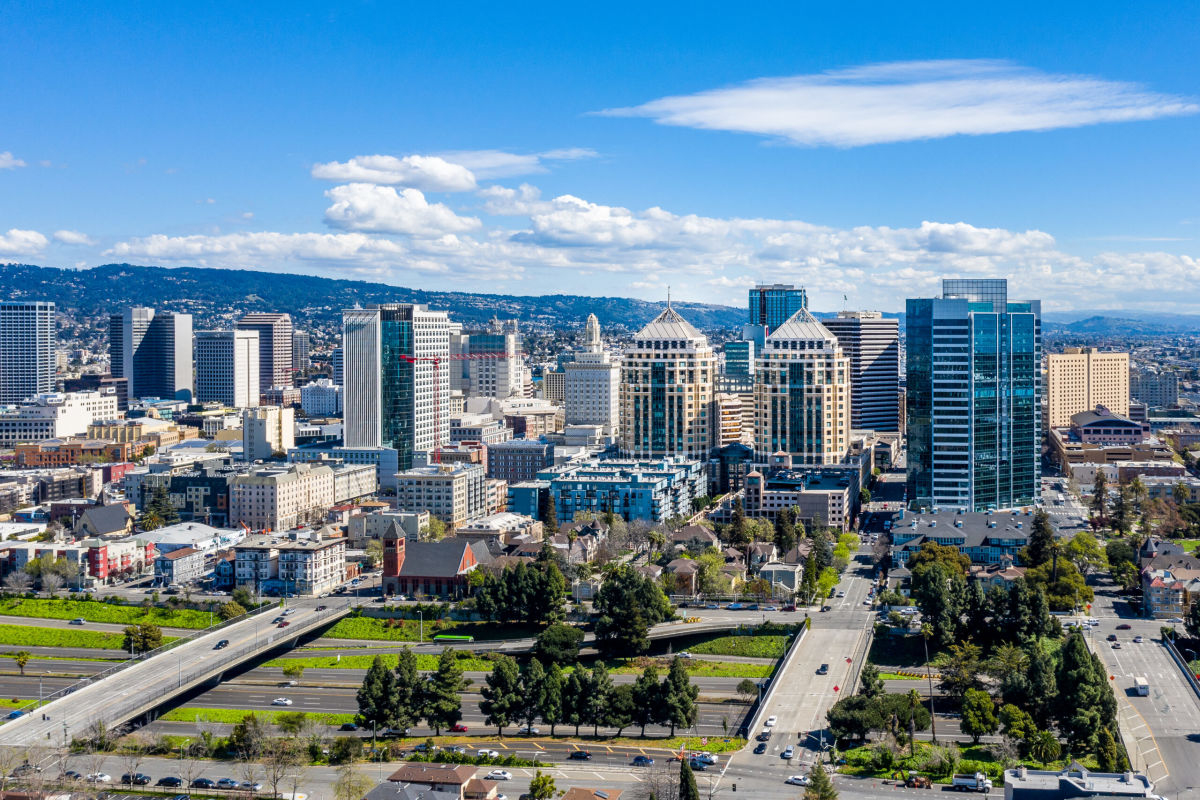
Oakland is best for a solo traveler who wants Bay Area culture without pretending the city is softer than it is. This seasoned traveler would come for Lake Merritt, the Oakland Museum of California, Fox Theater nights, Black arts history, independent shops, and one of the strongest food scenes in California. Visit Oakland emphasizes the city's multicultural cuisine, music venues, local shops, parks, the waterfront, and easy access by rail, bus, ferry, and nearby airports. That makes Oakland rewarding if you plan your days around specific neighborhoods instead of wandering randomly.
The caveat is real: safety changes sharply by block, time, and transit corridor. Traveler reports consistently describe Oakland as a place where women can have a good trip, but should stay in populated areas, research routes, avoid unfamiliar streets after dark, and keep valuables tucked away. Crime data sources also flag high property crime and elevated violent crime, so this is not a low-effort destination. The best version of Oakland for a solo woman is intentional: stay near Lake Merritt, Uptown, Rockridge, Temescal, Jack London Square, Grand Lake, or another well-trafficked base, use BART and rideshare strategically, and treat the city as a set of strong neighborhood experiences rather than one big casual stroll.
Walking around
Walking in Oakland can feel energizing in the right pocket and stressful when you drift into the wrong one. The most pleasant daytime walks are around Lake Merritt, Grand Avenue, Piedmont Avenue, College Avenue in Rockridge, Temescal's Telegraph Avenue corridor, Jack London Square's waterfront, and the theater and restaurant blocks of Uptown. These areas have the most useful combination for a solo woman: active storefronts, transit access, coffee stops, restaurants, and other people moving around. Lake Merritt is especially good for an oriented first-day walk because it gives you open sightlines and easy exits toward Grand Lake, Lakeside, Downtown, and the museum area.
Do not read Oakland's walkability as blanket permission to explore without a plan. Some streets shift quickly from busy to quiet, and traveler reports mention that some routes feel fine in daylight but not comfortable alone after dark. Keep your phone secured rather than held loosely near curbs or station doors. Avoid shortcuts under freeways, empty industrial stretches near the port, and isolated blocks around transit late at night. If a route looks empty, choose the larger avenue, call a rideshare, or wait somewhere staffed. The city rewards walkers who know their destination and keep checking the street energy as they move.
Opening Hours
Oakland runs on Bay Area city hours, but each neighborhood has its own rhythm. Coffee shops often open early, especially commuter-friendly places near Downtown, Lake Merritt, Temescal, Rockridge, and Grand Lake. LaptopFriendly lists Delah Coffee on West Grand Avenue from 7:00 to 23:00, which is useful for travelers who need a bright, social place later than a typical cafe. Standard cafes may close around mid-afternoon or early evening, while restaurant corridors usually wake up again from 17:00 onward. Brunch is a weekend ritual, so popular places around Grand Lake, Temescal, and Rockridge can have waits.
Museums, galleries, and small shops need checking before you go because Oakland is not a city where every attraction keeps tourist-district hours seven days a week. The Oakland Museum of California, local boutiques, and performance venues may have specific closed days, event calendars, or evening programming. Bars and music venues in Uptown and Downtown run late, but a solo traveler should separate venue hours from walking safety. Leaving a show at 23:30 is normal; walking several quiet blocks alone afterward is less wise. Build your plans around open, populated streets, and arrange transit before the night ends.
Restaurants
Oakland is a serious food city, and that is one of the easiest ways for a solo woman to enjoy it. Visit Oakland highlights award-winning multicultural cuisine, and the city's strongest dining corridors make solo meals feel normal rather than awkward. Temescal is good for casual dinners, Korean, Ethiopian, ice cream, and low-pressure counters. Rockridge and Piedmont Avenue work well for cafes, bakeries, wine bars, and sit-down meals where staff are used to solo diners. Grand Lake and Lakeshore put restaurants near the lake, the Grand Lake Theatre area, and busy sidewalks. Jack London Square gives you waterfront dining with simple rideshare pickup points.
For solo dining, choose restaurants with bar seating, visible staff, and an easy exit onto a main street. Earlier dinner windows, roughly 17:30 to 20:30, feel more comfortable than late solo arrivals in quieter blocks. Tipping follows U.S. norms: around 18 to 22 percent for full service, less for counter service if prompted. Oakland's best meals can be highly casual, from taco counters and bakeries to neighborhood restaurants, so do not over-index on white-tablecloth dining. Watch your bag at outdoor tables, do not leave a phone on the table edge, and avoid leaving drinks unattended in nightlife-heavy areas.
Haggling
Oakland follows U.S. shopping norms: prices are usually fixed in restaurants, boutiques, grocery stores, museums, pharmacies, transit, and most markets. Haggling is not part of everyday retail culture, and pushing for a discount in a small Oakland shop can come across as disrespectful. In neighborhoods with independent stores, the better approach is to ask about locally made items, sale sections, or whether the shop has a lower-priced version. Staff are often proud of the local maker scene and may point you toward something that fits your budget without a negotiation performance.
There are limited places where bargaining can be acceptable. U.S. guidance generally treats garage sales, flea markets, antique fairs, craft markets, and some service or repair situations as possible negotiation spaces. In Oakland, that may apply at occasional vintage events, maker markets, or informal secondhand sales, but even there the tone should stay friendly and modest. Ask politely, offer a reasonable number, and accept no quickly. Never haggle in restaurants, cafes, galleries with posted prices, hotels, or pharmacies. For a solo traveler, the social goal matters too: a warm exchange with a local vendor is worth more than shaving a few dollars off a purchase.
Hospitals
For emergencies in Oakland, call 911 from a landline. LocalWiki notes that cell calls can route differently, and lists Oakland police emergency at 510-777-3211 and Oakland fire or medical emergency at 510-444-1616. A solo traveler should save those numbers before arrival, along with the address of her accommodation. Highland Hospital at 1411 East 31st Street is Oakland's main county hospital and trauma center, with emergency services and a history as Alameda County's major public hospital. Kaiser Permanente Oakland Medical Center is another major medical facility in the city.
Emergency response quality is mixed. Oakland has serious medical infrastructure, but traveler reports mention concern about 911 response time, and the city has high demand on public safety services. For a non-life-threatening issue, urgent care or your travel insurance assistance line may be faster than waiting in an emergency department. For immediate danger, do not hesitate to call. If you are in a BART station or train, use BART Police channels as well: BART lists dispatch at 510-464-7000 and text at 510-200-0992, plus the BART Watch app for private reports. Keep your phone charged, and know the nearest staffed public place from your hotel.
Drinking Water
Tap water in Oakland is generally safe to drink. The East Bay Municipal Utility District supplies water to Oakland and nearby East Bay communities, and visitors can treat tap water like they would in other major California cities. Carrying a refillable bottle is practical because Oakland days can include long walks around Lake Merritt, hillier streets in the north and east, and transit waits in sun or wind. Many cafes will refill water if you are also buying something, and restaurants typically provide water on request.
The main caution is not water safety but planning. Some public restrooms and fountains can be inconsistent, especially around parks or transit corridors, so do not assume every walk will have easy facilities. Buy water before longer outings to Joaquin Miller Park, the Oakland Hills, or any trip that combines BART, bus, and walking. In restaurants, still water is free unless you specifically order bottled or sparkling water. If you are sensitive to taste, a filter bottle can help, but it is not required for safety. During warmer spells, hydrate before alcohol, especially if you are moving between venues in Uptown or Jack London Square.
Alcohol Laws
Oakland follows California and U.S. alcohol rules. The legal drinking age is 21, and bars, restaurants, breweries, and stores can ask for government-issued photo identification. International visitors should carry a passport or a high-quality accepted ID if they plan to drink, because some venues are strict. Alcohol cannot generally be carried openly in public spaces, parks, transit, or on the street, and drinking on BART is not allowed. Last call varies by venue, but California bars generally stop serving by 2:00.
For solo women, the practical issue is less the law and more the route home. Uptown, Downtown, Jack London Square, Temescal, and Grand Lake all have good places for drinks, but leaving alone late requires a plan. Choose venues on active streets, keep your drink in sight, and do not let a new acquaintance control your ride. Rideshare pickup is usually straightforward in central Oakland, but wait inside or near staff when possible. BART can be useful earlier in the evening; late at night, a direct rideshare may be worth the cost. Public intoxication can attract police attention and make you an easier target for theft, so pace yourself.
Greetings
Oakland is casual, direct, and culturally mixed. A smile, hello, or quick how's it going works in cafes, shops, hotel desks, and neighborhood restaurants. In more relaxed spaces, people may chat about food, art, music, sports, or where you are visiting from. The city has strong local pride, and many residents refer to it as The Town, so showing curiosity about Oakland as its own destination, not just a cheaper San Francisco base, lands well. Be respectful around communities with deep roots, including Black Oakland, Chinatown, Fruitvale's Latino community, and long-standing artist spaces.
Women traveling alone do not need a special greeting code, but boundaries should be clear. Friendly is fine; overexplaining your itinerary to strangers is not necessary. If someone approaches in a way that feels intrusive, a brief no thanks and continued movement is acceptable. Service interactions follow U.S. norms: direct eye contact, first names where offered, please and thank you, and patience when staff are busy. Oakland is politically aware and socially expressive, so avoid making jokes about crime, homelessness, or gentrification. Those topics are real and personal here, and a thoughtful traveler treats them with care.
Punctuality
Oakland uses standard U.S. expectations around punctuality. Be on time for restaurant reservations, tours, medical appointments, coworking bookings, and ticketed events. If you are meeting a local friend or attending a casual meetup, a few minutes of flexibility is normal, but texting if you are late is expected. For performances at the Fox Theater, Paramount Theatre, local music venues, or the Oakland Museum of California, arrive early enough to clear entry and orient yourself before crowds form at the door.
Transit timing deserves extra attention. BART and AC Transit are useful, but delays, transfer gaps, and station safety can affect your comfort. Build buffers when crossing the Bay, going to the airport, or connecting to an event at night. If you are planning a late dinner after a show, check whether the restaurant kitchen will still be open. Some Oakland venues keep nightlife hours, while cafes and casual restaurants may close earlier than expected. For a solo woman, punctuality is also a safety tool: arriving before dark, checking into lodging during staffed hours, and leaving enough time to choose a safer route all matter.
Meeting People
Oakland can be warm for solo travelers if you choose structured, public settings. Cafes, art walks, museum events, music venues, community markets, fitness classes, coworking spaces, and neighborhood bars with food are better than random street encounters. Uptown and Adams Point are often mentioned for nightlife and social energy near Lake Merritt, while Temescal, Rockridge, Grand Lake, and Piedmont Avenue are easier for low-pressure daytime interaction. Laptop-friendly cafes and hotel lobbies can also work for remote workers who want casual conversation without committing to a late night.
Use the same judgment you would in any high-crime urban environment. Meet new people in public, keep your own transportation plan, and do not move to a second location unless you genuinely want to. If someone suggests a neighborhood you do not know, look it up before agreeing. Oakland locals are often generous with recommendations, especially about food and music, but the city is not a place to outsource your safety decisions to a new acquaintance. For women-focused connection, search current event calendars, meetup groups, bookshops, yoga studios, and coworking communities before arrival. The best social experiences here usually start with shared interests.
Practical Considerations
Oakland uses U.S. dollars, standard U.S. Type A and Type B plugs, and 120V electricity. Most cafes, hotels, museums, and coworking spaces have Wi-Fi, though speed and seating rules vary. LaptopFriendly lists several work-friendly Oakland locations with outlets or study seating, including Delah Coffee on West Grand Avenue. Coworking listings show multiple local options, and hotels in Downtown, Uptown, and Jack London Square can be practical if you need reliable workspace. Cellular coverage is generally good in central neighborhoods, but hills, older buildings, and BART tunnels can create gaps.
Weather is mild by U.S. standards. Summers are usually dry and comfortable rather than hot, while winters are cooler and wetter. Pack layers, because wind near the bay and evening temperature drops can surprise visitors who came from warmer California cities. Oakland is also a car break-in city, so if you rent a car, leave absolutely nothing visible, not even a jacket or charging cable. For airport logistics, Oakland International Airport is close, and San Francisco International Airport is reachable by BART with transfers. Keep transit cards, ID, insurance, and backup payment separate, since property crime is a bigger day-to-day risk than formal travel complications.
Accommodation
Where you stay will shape your Oakland experience. Visit Oakland points travelers toward central and characterful options such as Oakland Marriott City Center, Kissel Uptown Oakland, and the historic Claremont Resort & Club in the hills. For a solo woman, the best bases are usually Downtown or Uptown near staffed hotels and restaurants, Lake Merritt or Grand Lake for daytime walking and food, Rockridge for a calmer residential feel near BART, Temescal for food and creative energy, or Jack London Square for waterfront access. A hillside stay like the Claremont can feel more resort-like but may require more rideshare use.
Be picky with short-term rentals. A cheap place in Oakland can be cheap because the block is inconvenient or uncomfortable at night. Read recent reviews by solo women, check the exact cross streets, and prioritize well-lit entries, secure building access, and an easy ride pickup point. If you are arriving late, choose a hotel with a staffed desk rather than a lockbox on a quiet street. Avoid basing yourself in unfamiliar parts of East Oakland, West Oakland, industrial corridors, or isolated freeway-adjacent blocks unless you have a specific local reason and transportation plan.