Is New Orleans Safe for Solo Female Travelers?
united states
New Orleans is a sensory feast for solo women who want music, food, and neighborhood texture. The caveat is real: enjoy the city with sharp street awareness, modest drinking, and rideshare after dark.
Stats
Key Safety Tips
Why New Orleans is perfect for solo female travelers
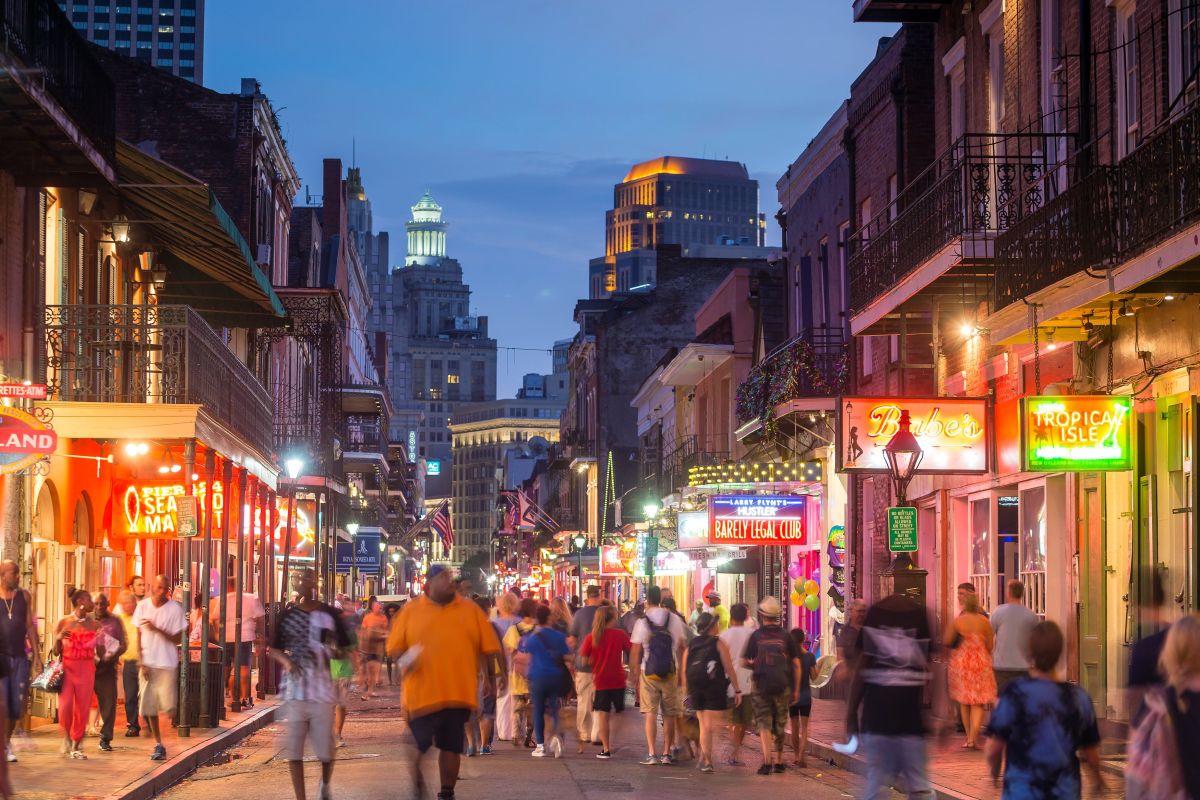
New Orleans works best for a solo woman who wants a city with a strong public rhythm. This seasoned traveler finds that the appeal is not only Bourbon Street, although first-timers usually want to see it once. The stronger draw is the combination of live music, deep food culture, layered history, and neighborhoods that reward slow wandering. A morning can start with beignets near Jackson Square, slide into Royal Street galleries, continue through the National World War II Museum, and end with jazz on Frenchmen Street without needing a companion to make it feel natural. Local travel sources repeatedly describe the city as friendly, social, and easy to enjoy alone, especially in the French Quarter, Garden District, Warehouse District, Uptown, Marigny, Bywater, Bayou St. John, and Mid-City.
The honest caveat is that New Orleans asks for sharper situational awareness than many polished weekend cities. Serious crime is a real citywide issue, and petty theft, scams, intoxicated crowds, and isolated streets can affect visitors. The sweet spot is to stay in well-used visitor areas, move with the daytime and early evening crowd, and use rideshare when a route feels quiet after dark. For a solo female traveler, the reward is a city where dining alone is normal, music venues are conversational, streetcars make sightseeing feel romantic and practical, and locals are often generous with directions and opinions. It is perfect when approached as a vivid, social, grown-up city, not as a place to turn off judgment.
Walking around
Walking is one of the best parts of New Orleans, but it is also where good judgment matters most. The French Quarter, Warehouse District, Garden District, Uptown along Magazine Street and St. Charles Avenue, Bayou St. John, and the museum side of Mid-City are the most useful walking areas for a solo visitor. In the Quarter, Royal Street, Chartres Street, Jackson Square, Decatur Street, and the riverfront tend to feel lively during the day. The Garden District is calmer, with grand houses, oak shade, Lafayette Cemetery No. 1 viewed from outside when access is restricted, and Magazine Street shops and cafes close enough to stitch together on foot. Mid-City is best around City Park, the New Orleans Museum of Art, Bayou St. John, and casual restaurants rather than random residential detours.
The city is flat, but sidewalks can be uneven, cracked, or lifted by oak roots, so comfortable closed shoes are more than a style choice. After rain, curbs and streets can puddle quickly. This seasoned traveler would walk confidently in busy tourist corridors in daylight, but would not treat every short route on a map as equal at night. Bourbon Street can feel crowded and watched, yet the side streets can become quiet fast. The stretch between Bourbon Street and Frenchmen Street is often discussed as a place to avoid walking alone late, despite both endpoints being popular. If a route looks empty, poorly lit, or confusing, take an Uber or Lyft. New Orleans rewards wandering, but the best wandering happens when you keep to active streets, check your route before leaving, and avoid letting music or drinks pull you farther than planned.
Opening Hours
New Orleans keeps unusual hours because it serves locals, tourists, musicians, service workers, and festival crowds all at once. Many classic breakfast and brunch spots open around 8:00 or 9:00 a.m., while coffee and beignet institutions such as Cafe du Monde are known for very long hours and late-night usefulness. Museums usually follow more conventional daytime schedules. The National World War II Museum, the New Orleans Museum of Art, Sazerac House, and many guided tours are daytime anchors, so a solo traveler should build the trip around them first and leave music, bars, and casual dinners for later. Shops on Royal Street and Magazine Street tend to be best from late morning through afternoon, and some independent boutiques close earlier than a visitor from a larger city might expect.
Restaurants vary widely. Famous fine dining rooms such as Commander's Palace, Antoine's, Brennan's, and other old-line spots usually require reservations, may close between lunch and dinner, and may enforce dress codes more seriously than the city's relaxed street culture suggests. Casual neighborhood restaurants, food halls, po' boy shops, and bar counters are easier for solo dining, but can still close on slower weekdays. Live music venues on Frenchmen Street and in the Quarter often come alive after dinner, but the safest solo strategy is to arrive early, choose one or two venues, and leave before the street feels messy. Hurricane season, festivals, Mardi Gras parade days, and extreme heat can change hours or access. Check same-day hours, make reservations for must-do meals, and plan a late-afternoon reset at the hotel before going back out.
Restaurants
New Orleans is one of the easiest American cities for eating alone because bar seating, communal meals, food halls, and counter service are part of the culture. A solo woman can have a low-key bowl of pho at Lilly's Cafe on Magazine Street, brunch at Ruby Slipper, a sandwich at Parkway Bakery and Tavern, or a refined bar meal at Coquette without feeling like she is taking up the wrong kind of space. Local restaurant guides specifically call out solo-friendly places such as Dakar NOLA, Mosquito Supper Club, St. Roch Market, Sylvain, Manolito, Queen Trini Lisa in Mid-City, LUVI, Bearcat, Cafe Degas, Palm and Pine, and Compere Lapin. The better solo seats are usually the bar, chef's counter, patio, or food hall table where movement around you feels normal.
Meal timing is forgiving but not infinite. Brunch is a major ritual, especially on weekends, and popular places can have long waits. Dinner in the Quarter and Warehouse District is easiest with a reservation, while neighborhood places may be more relaxed early in the evening. Tipping is expected, generally 18 to 20 percent at full-service restaurants and a dollar or two per drink at bars. This seasoned traveler would use solo dining as a safety tool: eat properly before drinking, choose restaurants within a short, well-lit walk or a simple rideshare from the hotel, and avoid carrying a large open purse on the back of a chair. The city's food culture is generous, but portions are rich, alcohol is everywhere, and the most practical solo move is to pace the night around meals instead of treating dinner as an afterthought.
Haggling
New Orleans is not a haggling city in the way that some markets around the world are. Restaurant prices, museum tickets, tours, rideshare fares, streetcar fares, hotel rates, and most shop prices are fixed. On Royal Street, Magazine Street, and in the French Quarter's antique, art, and boutique shops, bargaining hard would feel out of place. A polite question about a small discount on a damaged item, a cash price for a larger art purchase, or shipping options is fine, but the normal expectation is to pay the marked price. The French Market, Jackson Square art stalls, pop-up festival vendors, and tarot readers may feel more informal, yet many still treat their prices as set because permits, booth fees, and seasonal demand shape the business.
The more relevant money skill in New Orleans is scam awareness, not bargaining. Tourist areas have classic street hustles, including the well-known shoe bet, unexpected beads or performances followed by a demand for cash, and aggressive approaches around nightlife corridors. A solo female traveler should keep small bills separate for tips, pay musicians when she stops to listen for a while, and agree on prices before informal services such as readings or carriage-style tourist experiences. If someone starts a playful bet, blocks your path, or tries to create social pressure, a firm no and steady walking are better than debate. Tipping is not haggling either. Musicians, bartenders, servers, guides, and hotel staff rely on tips, and participating in that culture respectfully makes the city feel warmer while keeping interactions clearer.
Hospitals
For emergencies in New Orleans, call 911. The city has major medical systems, urgent care options, and tourist-facing emergency infrastructure, but a solo traveler should still know where she would go before she needs it. Ochsner Medical Center - New Orleans is a nationally recognized academic medical center and a major regional hospital with emergency services and specialty care. University Medical Center New Orleans is another central academic medical center associated with LCMC Health and the city's trauma and teaching hospital network. Tulane-linked services, urgent care clinics, and pharmacies are also common around central neighborhoods, though availability depends on the hour and insurance. Visitors from outside the United States should assume healthcare can be expensive and should travel with insurance.
The practical risks most visitors face are less dramatic than the city's crime headlines: heat exhaustion, dehydration, stomach upset from rich food and alcohol, falls on uneven sidewalks, minor injuries during festival crowds, and anxiety after an uncomfortable street encounter. In summer, humidity can make a short walk feel punishing, and hurricane season from June through November adds a real planning variable. The New Orleans Health Department also distributes public health resources such as Narcan through fire stations and city contacts, which is a useful reminder that nightlife environments can involve more than alcohol. This seasoned traveler would keep insurance details accessible, save the hotel address in the phone, carry a charged battery pack, use rideshare for urgent care at night, and ask hotel staff for the closest reliable clinic if the issue is non-emergency. For any immediate danger, medical emergency, assault, or severe intoxication concern, call 911 first.
Drinking Water
Tap water in New Orleans is generally safe to drink unless there is an active boil-water advisory. The city can experience infrastructure issues, heavy rain, tropical weather, or neighborhood-specific interruptions, so a solo traveler should check local alerts if the hotel mentions pressure problems or if storms are moving through. In normal conditions, refillable bottles are practical, especially because walking, salty food, alcohol, and humidity can dehydrate visitors quickly. Many hotels provide filtered water stations or bottled water, and cafes will usually refill a bottle if you ask politely while buying something. During summer, carrying water is not optional for long walks in the Garden District, City Park, or along Magazine Street.
Hydration matters as a safety issue here. New Orleans makes it unusually easy to drink alcohol outdoors in certain districts, and sweet frozen drinks can hide their strength. Alternating alcoholic drinks with water, eating before going out, and avoiding a long solo walk after several drinks are basic but important rules. The city's famous open-container culture does not mean that public intoxication is risk-free or legal in every sense. If a boil-water notice is active, use bottled or boiled water for drinking and brushing teeth until it is lifted. This seasoned traveler would keep a bottle in her day bag, drink water before joining a tour or music night, and take heat advisories seriously. The best New Orleans days are long and sensory, and the difference between romantic and miserable is often a simple bottle of water.
Alcohol Laws
Louisiana's legal drinking age is 21, and New Orleans bars, clubs, music venues, and restaurants commonly ask for ID. The city is famous for permissive public drinking, but the rule is more specific than visitors sometimes think. In parts of New Orleans, especially the French Quarter, adults may carry alcohol in public if it is in a plastic container. Glass containers are prohibited in public spaces, and bars routinely offer go-cups so guests can leave with unfinished drinks. Open-container rules do not give anyone permission to drink in a vehicle as a driver, behave disorderly, ignore event restrictions, or carry drinks into every private business. Public intoxication and disturbing the peace can still create legal trouble.
For solo female travelers, the law is less important than the environment it creates. Bourbon Street, Frenchmen Street, festival routes, and parade corridors can be fun, but heavy drinking increases vulnerability to theft, harassment, getting lost, and accepting bad invitations. This seasoned traveler would treat one classic cocktail, one music club, or one curious Bourbon Street walk as enough for a first solo night. Use plastic cups only where allowed, avoid glass outside, keep your drink in sight, and do not let a stranger buy or hold it unless you watched the bartender make it. Rideshare is usually the better choice after drinking, even if the walk looks short. New Orleans' alcohol culture can feel liberating, but the women who enjoy it most are the ones who keep a clear exit plan.
Greetings
New Orleans greetings are warm, casual, and often more conversational than visitors expect. People may say hello on the sidewalk, compliment an outfit, ask where you are from, or start talking about food, music, or weather with very little preamble. In tourist areas, that friendliness is part genuine hospitality and part street economy, so a solo traveler should learn to receive warmth without surrendering her boundaries. A smile, a brief answer, and continued movement are perfectly acceptable. Service interactions tend to reward politeness, patience, and a little humor. Say good morning, thank people, tip properly, and avoid treating local culture like a performance staged only for visitors.
The city's layered Creole, Black, French, Spanish, Caribbean, Vietnamese, and Southern influences show up in language, foodways, music, and public manners. New Orleanians can be proud and protective of their neighborhoods, especially after years of tourism pressure and post-Katrina change. Ask curious questions respectfully, but do not imitate accents or reduce sacred traditions such as Mardi Gras Indian masking, second lines, cemetery customs, or spiritual practices to costumes. For women traveling alone, friendliness can sometimes blur into unwanted attention. A direct but calm line such as "No thanks, have a good night" is enough. You do not owe a stranger a full conversation because he opened with a compliment. The best greeting strategy is open but not porous: be kind, be present, and keep your own pace.
Punctuality
New Orleans runs on two clocks. Tours, restaurant reservations, hotel check-in, museum entries, airport transfers, and paid experiences expect normal punctuality. If you book a Garden District walking tour, a swamp tour pickup, a Sazerac House slot, or dinner at Commander's Palace, arrive on time or early. Popular restaurants may give away tables during festival weeks, and tour operators cannot always wait because parking, heat, and timed cemetery access matter. The airport is in Kenner, not downtown, so allow extra time for traffic, weather, and rideshare surge. During Mardi Gras, Jazz Fest, major conventions, and stormy afternoons, street closures can turn a simple trip into a slow one.
Socially, the city can feel relaxed. Music sets may start later than expected, casual meetups may drift, and a bar recommendation might be more about the mood than the exact hour. A solo traveler can use that looseness to her advantage by planning flexible evenings. Choose a neighborhood, mark two or three options, and let the night breathe. Still, do not let relaxed timing become careless timing after dark. If you plan to leave Frenchmen Street at 10:30 p.m., leave while you still feel clear and while rideshares are easy to call. This seasoned traveler would put fixed commitments in the daytime, keep dinner reservations realistic, and leave buffer before any late activity. New Orleans is generous with surprises, but missed reservations and rushed night walks are preventable stress.
Meeting People
New Orleans is unusually good for meeting people because the city's social life happens in public. Live music venues, food counters, festivals, walking tours, cooking classes, hotel courtyards, hostel common rooms, and neighborhood bars all create low-pressure openings for conversation. Frenchmen Street in the Marigny is one of the easiest places to connect over music without making the night solely about drinking. Preservation Hall, The Spotted Cat, Tipitina's, street performances near Jackson Square, and small festival stages draw people who already have something to talk about. Daytime tours, especially food, architecture, Black history, cemetery, and Garden District tours, are safer ways to meet other travelers and build plans for later.
For solo women, the trick is to favor structured social spaces over random street encounters. Communal meals such as Dakar NOLA or Mosquito Supper Club, bar seats at respected restaurants, coworking day passes, Meetup events, and sports or activity groups are better filters than accepting invitations from someone who appears beside you on Bourbon Street. GoodRec and similar event platforms list pickup sports and group activities, while coworking spaces like The Shop at the CAC, Scale New Orleans, Connect Hub, and WB Collective can help remote workers find daytime community. This seasoned traveler would exchange social handles before phone numbers, tell a friend or hotel where she is going, and keep the first meeting in a public place. New Orleans makes it easy not to feel alone, but good company should still earn trust.
Practical Considerations
New Orleans uses US dollars, standard US Type A and B plugs, 120V electricity, and Central Time. English is the working language for travelers, with Louisiana cultural vocabulary and local pronunciation adding texture rather than a barrier. Cards are widely accepted, but small bills are useful for musicians, tips, tarot readers, festival vendors, and emergency cash. Cell service is generally strong in visitor areas, and hotels, cafes, and coworking spaces offer reliable Wi-Fi. Remote workers have real options: The Shop at the CAC in the Warehouse District lists day passes, phone booths, bike parking, showers, and 24/7 member access, while Connect Hub, Scale New Orleans, and WB Collective advertise high-speed internet and downtown workspaces.
Weather is the biggest practical variable. Summers are hot, humid, stormy, and draining, while late winter through spring is more comfortable and festival-heavy. Hurricane season runs June through November, with late summer and early fall requiring the most caution. Pack breathable clothes, closed walking shoes, a light rain layer, sunscreen, mosquito repellent for green spaces, and one dressier outfit if you plan on old-line restaurants. Sidewalks can be rough, so rolling luggage may be annoying outside hotels. This seasoned traveler would stay close to the neighborhoods she wants to use most, download offline maps, save hotel and emergency contacts, and budget for rideshare at night. New Orleans can be affordable day to day, with RTA fares still low, but lodging spikes sharply around festivals, Mardi Gras, Jazz Fest, and big events.
Accommodation
The best accommodation area for a solo female traveler depends on the trip style. The French Quarter is convenient, atmospheric, and walkable, especially for a first visit, but it can be loud and expensive. A hotel on the quieter edge of the Quarter, near Royal Street, Chartres Street, or closer to Canal without being directly in the Bourbon Street crush, gives easy access without putting the party under the window. The Warehouse District and Central Business District are practical alternatives with newer hotels, museums, restaurants, rooftop bars, and easier rideshare pickup. They feel less romantic than the Quarter but often work better for travelers who want quiet nights and structured days.
The Garden District and Uptown are attractive for women who prefer leafy streets, Magazine Street dining, and the St. Charles streetcar, while Marigny places music lovers close to Frenchmen Street. Bywater can be stylish and creative, but location matters, and late-night transportation should be planned. Mid-City is useful for City Park, Bayou St. John, casual food, and longer stays, though first-timers may prefer a more central base. Local solo travel sources recommend safe, tourist-friendly areas such as the French Quarter, Warehouse District, Garden District, Marigny, Bywater, and Uptown, with the caveat that visitors should not choose isolated rentals just because they are cheap. This seasoned traveler would choose a hotel or licensed guesthouse with recent reviews mentioning solo women, 24-hour front desk or responsive hosts, well-lit entry, and easy rideshare access.