Is Nashville-Davidson Safe for Solo Female Travelers?
united states
Nashville-Davidson is a big-hearted music city where solo women can find live shows, friendly bar seats, and neighborhood charm. The caveat is real urban crime and rowdy nightlife, so the best trip is walkable by day and rideshare-smart after dark.
Stats
Key Safety Tips
Why Nashville-Davidson is perfect for solo female travelers
Nashville-Davidson works best for solo female travelers who want a social, music-heavy city where the main visitor areas are easy to understand. This seasoned traveler would base a first trip around Downtown, SoBro, The Gulch, Germantown, East Nashville, 12 South, Hillsboro Village, and Music Row, then treat the rest of the county as a place to explore deliberately rather than wander into at random. The draw is obvious: live music pours out of Broadway, the Ryman Auditorium and Country Music Hall of Fame anchor the downtown core, and neighborhood districts add coffee shops, boutiques, murals, indie venues, and serious Southern food.
The honest caveat is that Nashville is not a low-crime small town. Local safety guides and crime summaries consistently describe it as moderate risk, with property crime and some nightlife-zone disorder shaping the visitor experience. Women who stay near Broadway, SoBro, or well-lit hotel corridors often report feeling comfortable, especially when they stay alert and use rideshare after dark. The city rewards a balanced travel style: walk during the day, choose lively streets at night, keep drinking under control, and avoid poorly lit riverfront or isolated blocks after the crowds thin.
For a solo woman, the best version of Nashville is confident but practical. It is friendly, musical, easy to meet people in, and packed with bar seats where eating alone feels normal. It also asks you to manage your phone, bag, drink, and late-night transport with the same care you would use in any busy American entertainment city.
Walking around
Walking in Nashville-Davidson is best when you think in neighborhood pockets rather than assuming the whole city is pedestrian-friendly. Downtown, SoBro, Lower Broadway, The Gulch, Germantown, 12 South, Hillsboro Village, parts of East Nashville around Five Points, and Music Row are the easiest places to explore on foot. Downtown and SoBro give first-time visitors the highest density of attractions, including Bridgestone Arena, the Ryman Auditorium, Country Music Hall of Fame, Johnny Cash Museum, Riverfront Park by day, and the honky-tonk strip. The Gulch is polished and compact, with restaurants, murals, hotels, and shopping clustered close together. Germantown is quieter, restaurant-focused, and close to the Nashville Farmers' Market and Bicentennial Capitol Mall State Park.
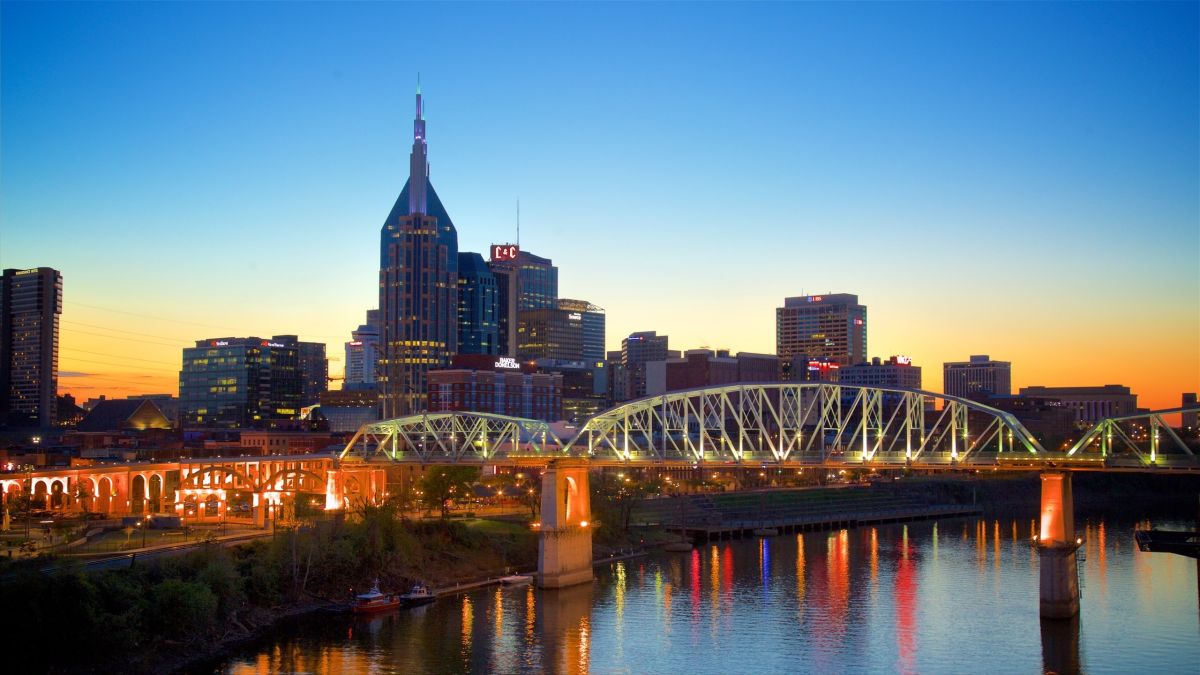
This seasoned traveler would separate daytime walking from late-night walking. During the day, Nashville's central neighborhoods can feel relaxed and easy, with enough tourists, workers, and locals around to keep the streets active. At night, the safest walks are short, direct, and on bright, busy streets near your hotel or the Broadway core. Female travelers in local accounts often describe Broadway as comfortable because it is crowded and heavily monitored, but they also warn against wandering alone near the river, the pedestrian bridge, dark alleys, or south of Broadway away from the main activity.
Comfortable shoes matter more than style here. Sidewalks can be uneven, summer heat can feel heavy, and crossing between neighborhoods sometimes means longer blocks than a map suggests. If a route feels empty, industrial, or poorly lit, call a rideshare. Nashville is a city where walking is wonderful in the right district and needlessly stressful on the wrong connector road.
Opening Hours
Nashville-Davidson runs on a visitor-friendly schedule, especially in the music and dining districts. Breakfast and coffee spots in neighborhoods like 12 South, Hillsboro Village, Germantown, East Nashville, and Downtown commonly start the day around 7:00 or 8:00 AM, with brunch culture especially strong on weekends. Restaurants generally serve lunch from late morning through midafternoon and dinner from around 5:00 PM, though the busiest dinner window is usually 6:30 to 8:30 PM. Popular places such as Biscuit Love, Frothy Monkey, City House, Rolf and Daughters, Butcher and Bee, Cafe Roze, and Chauhan Ale and Masala House can require planning, reservations, or off-peak timing if you do not want to wait alone.
Live music is the reason many travelers come, and Nashville gives you options from midday until very late. Honky-tonks on Lower Broadway often have music during the day and continue into the early morning, especially Thursday through Saturday. Larger venues like the Ryman Auditorium, Grand Ole Opry, Basement East, Station Inn, and Schermerhorn Symphony Center operate around scheduled events, so check official listings before building your evening around them.
For solo women, the timing advice is simple: do your wandering, shopping, murals, museums, parks, and neighborhood hopping in daylight or early evening. Save late-night plans for places where you have a clear arrival and exit plan. Grocery stores, pharmacies, and hotel services are easy enough in central districts, but they are not always on the same block as nightlife. If you are staying outside Downtown or SoBro, assume that rideshares will be part of your late-night routine and price that into the trip.
Restaurants
Nashville-Davidson is unusually friendly to solo dining because so much of the city's food culture happens at bars, counters, cafes, and music-forward rooms where one person does not feel out of place. This seasoned traveler would not hesitate to eat alone here. City Cast Nashville highlights solo-friendly spots such as Butcher and Bee in East Nashville, where counter seating and Mediterranean small plates suit a book or journal; Chauhan Ale and Masala House in the North Gulch, where small tables make solo dining comfortable; Cafe Roze, a buzzy East Nashville bar-and-cafe option; Bite a Bit Thai Sushi in Riverside Village; and Salento Italia in Donelson. Those are useful because they are not just famous restaurants, they are places where being alone feels normal.
Neighborhood choice changes the dining mood. Germantown is excellent for serious food, with restaurants like Rolf and Daughters, City House, and Monell's nearby. The Gulch skews upscale and stylish, with Biscuit Love, Adele's, Saint Anejo, Milk and Honey, and rooftop drinks at L.A. Jackson. Downtown and SoBro are convenient for museums, Broadway, and concert nights, with places like The Southern Steak and Oyster, Acme Feed and Seed, Pinewood Social, Martin's Bar-B-Que Joint, and Skull's Rainbow Room. East Nashville adds creative, local energy through cafes, cocktail bars, vegan options, burgers, and international food.
A solo woman should use the bar seat strategically. It makes service faster, feels less exposed than a lonely table, and often creates easy conversations with bartenders or other travelers. Watch your drink, keep your bag zipped and in front of you, and do not feel obligated to entertain anyone who sits nearby. Nashville is friendly, but friendliness is not a contract.
Haggling
Haggling is not part of everyday Nashville-Davidson culture. Like most of the United States, restaurant prices, hotel rates, bar tabs, museum tickets, rideshares, pharmacy items, groceries, boutique goods, and normal retail purchases are fixed. A solo female traveler should not expect to bargain over a meal, a drink, a pair of boots in a downtown store, a ticket at the Country Music Hall of Fame, or a coffee in 12 South. Trying to negotiate in those settings can read as rude or confusing rather than savvy.
There are a few places where gentle negotiation can make sense. Flea markets, antique stores, vintage shops, craft fairs, garage sales, and some local markets may allow a polite discount request, especially if you are buying multiple items or paying cash. Nashville's vintage and thrifting scene in East Nashville can be fun for solo travelers, but it is still best to ask lightly: "Is there any flexibility on this?" If the answer is no, smile and move on. The goal is not to win a battle, it is to keep the interaction comfortable.
For services, negotiation is usually limited to bigger purchases or long-term arrangements, not short tourist needs. Hotel rates can sometimes be improved by booking direct, using refundable rates, or watching weekday pricing, but front-desk haggling is not reliable. Tipping is separate from haggling and should be treated as expected. Budget for tax and tip at restaurants and bars. For a solo woman, the smoothest approach is to pay posted prices, tip appropriately, and save negotiation energy for markets where it is clearly welcome.
Hospitals
Nashville-Davidson has strong emergency and hospital access compared with many travel destinations, partly because the city is a major healthcare hub. Vanderbilt University Medical Center is the best-known major hospital near Midtown and Vanderbilt, with a large emergency department and specialist capacity. TriStar Centennial Medical Center, Ascension Saint Thomas Midtown, Ascension Saint Thomas West, Nashville General Hospital, and other urgent care clinics add options across the metro area. For a traveler staying in Downtown, SoBro, The Gulch, Midtown, or West End, major medical help is usually a short rideshare away in normal traffic.
Emergency services in the United States use 911 for police, fire, and ambulance. Save your hotel address in your phone before going out, because dispatchers and rideshare drivers need exact locations. If you have travel insurance, keep the policy number and assistance line accessible offline. American healthcare can be expensive, and an ambulance or emergency room visit may cost a lot for uninsured visitors. Urgent care is often cheaper for non-life-threatening problems such as minor infections, sprains, or simple prescriptions, but chest pain, severe allergic reactions, assault, major injury, or heavy intoxication requires emergency care.
Solo women should also think about practical support. Tell a trusted person where you are staying, share your live location during late nights, and ask hotel staff which urgent care or hospital they recommend for your neighborhood. If something happens in a bar or rideshare, get to a staffed, public place first, then call 911 or ask venue security for help. Nashville has real medical infrastructure, but your fastest path to care is knowing where you are and asking clearly.
Drinking Water
Tap water in Nashville-Davidson is generally safe to drink. Travel safety sources describe tap water risk as low, and local water quality reporting has historically shown compliance with required drinking water testing. For most solo travelers, refilling a bottle at the hotel, restaurants, museums, and cafes is normal and practical. The water may taste different if you are used to another region, but taste is not the same as danger.
The main exceptions are situational. After severe storms, flooding, or a local boil-water advisory, follow hotel and city guidance. Nashville can get intense thunderstorms, and weather disruptions sometimes affect infrastructure. Older buildings can also have plumbing that changes taste or raises personal comfort concerns. If you are staying in an older short-term rental or budget property and the water looks cloudy, smells odd, or has been sitting in pipes, let it run for a couple of minutes or buy bottled water until you feel comfortable.
Hydration matters in Nashville because heat, alcohol, walking, and loud venues combine quickly. Summer days can be humid and draining, and long Broadway nights often involve crowded bars where it is easy to forget water. This seasoned traveler would carry a small bottle during daytime neighborhood exploring, drink water between alcoholic drinks, and keep electrolytes or a sports drink in the hotel room after a late night. Tap water is not the problem here. Forgetting to drink enough of it is.
Alcohol Laws
Nashville-Davidson is a drinking city in the practical sense: honky-tonks, cocktail bars, rooftop lounges, brewery taprooms, bachelorette weekends, and live-music venues are central to the visitor economy. The legal drinking age in Tennessee, as in the rest of the United States, is 21. Bars, restaurants, and stores can ask for government-issued photo ID, and international travelers should carry a passport or a reliable alternative accepted by the venue. Do not assume a photo of your ID will work.
Open-container rules and alcohol service can vary by exact location and event, so treat public drinking casually only where it is clearly permitted. Inside Broadway bars, rooftop venues, restaurants, and licensed events, alcohol is easy to access. Outside, especially while walking between districts or using rideshares, keep things simple and follow posted rules. Bartenders and security staff can refuse service to intoxicated guests, but travelers should not rely on staff to manage their limits.
For solo women, drinking strategy is safety strategy. Multiple female traveler accounts about Nashville stress the same advice: never leave a drink unattended, do not accept mystery drinks from strangers, and avoid getting so drunk that you cannot navigate your own exit. Broadway can feel safe because it is busy, but heavy drinking changes that equation quickly. Use rideshare when you have been drinking, confirm the license plate and driver name, share your trip, and wait inside the venue or hotel lobby until the car arrives. Nashville can be a fun place to drink alone, but only if you keep control of the night.
Greetings
Nashville-Davidson has a friendly Southern social style layered over a fast-growing tourism city. Expect casual smiles, small talk, compliments, and strangers asking where you are from. In cafes, hotel lobbies, rideshares, bar lines, and live-music rooms, a simple "Hi," "How's it going?" or "Thank you" fits naturally. Service workers are used to visitors, and politeness goes a long way. This seasoned traveler has found that warmth here does not require formality. Casual clothes, direct eye contact, and relaxed conversation are normal.
The friendliness can be useful for solo women because it makes asking for directions, recommendations, or help feel easy. Hotel staff, museum staff, bartenders, servers, shopkeepers, and rideshare drivers often have practical local knowledge. At the same time, you do not need to match every friendly approach with personal information. If someone asks where you are staying, you can answer vaguely with "near downtown" or "not far from here." If a conversation starts to feel intrusive, a calm "I am going to get back to my night, take care" is enough.
Dress codes are usually casual unless you choose an upscale restaurant, private club, or special event. Broadway is full of boots, denim, dresses, rhinestones, and tourist outfits, while The Gulch and Germantown can skew a little more polished. There are no special gender norms a visitor needs to perform beyond normal respect. Nashville is social, not ceremonious. Be warm when you want, reserved when you need, and clear when a boundary matters.
Punctuality
Nashville-Davidson is relaxed in mood but still American in its expectations around time. Restaurant reservations, guided tours, showtimes, Grand Ole Opry tickets, Ryman Auditorium performances, museum entries, and rideshare pickups should be treated as punctual commitments. Arrive at restaurants a few minutes early, especially if you are dining solo and want the best chance of a bar seat. For concerts or Opry nights, give yourself extra time for traffic, security, ticket scanning, restroom lines, and finding your seat.
Traffic is the main reason plans slip. Nashville can look compact on a map, but crossing between Downtown, East Nashville, 12 South, Green Hills, Midtown, and the Opry area can take longer than expected. Weekend nightlife, events at Bridgestone Arena or Nissan Stadium, and convention traffic can change a 10-minute rideshare into a much longer ride. If you are moving alone after dark, build in time so you are not rushing down unfamiliar streets or accepting a questionable ride because you are late.
Socially, locals may be forgiving if you are a few minutes behind for casual meetups, but paid experiences are less flexible. Coffee dates, Meetup events, walking tours, and music shows all work better when you arrive on time. For solo women, punctuality is also a confidence tool. Showing up early lets you choose where to sit, learn the exits, check the crowd, and settle before the room gets busy. A calm arrival often makes the whole evening feel safer.
Meeting People
Nashville-Davidson is one of the easier American cities for solo travelers to meet people because music, food, sports, churches, social clubs, and newcomer culture all create low-pressure openings. Broadway is the obvious place to chat with other visitors, but it is not always the best place for deeper connection. For friendlier daytime and early-evening interactions, try East Nashville coffee shops, Germantown restaurants, 12 South boutiques and cafes, Hillsboro Village bookstores and the Belcourt area, local walking tours, museum events, and songwriter nights.
Nashville Social Club describes itself as a free volunteer-led group for locals, transplants, out-of-towners, full-time travelers, singles, parents, entrepreneurs, professionals, and people who want community through new experiences. Meetup also shows a steady stream of Nashville events, including game nights, wine groups, dance socials, tennis, wellness gatherings, coffee meetups, and women-focused social events. These are better choices for a solo woman than relying only on bar conversations after midnight.
The city is friendly enough that a bar seat can become a conversation, especially at music venues or restaurants with counters. Still, use the same filter you would in any nightlife city. Meet in public, do not leave your drink, do not go to a second location with someone you just met unless you truly want to and have shared your plan, and keep your own transport. Nashville makes connection easy. Your job is to choose the kind of connection that leaves you energized, not cornered.
Practical Considerations
Nashville-Davidson uses the U.S. dollar, standard U.S. tipping norms, 120-volt Type A and Type B outlets, English as the everyday language, and Central Time. Credit cards and mobile payments are widely accepted, but a small amount of cash can help with tips, small venues, parking, or older market stalls. Sales tax and tips are added to posted menu prices, so a meal will cost more than the number you first see. For restaurants and bars with table service, 18 to 22 percent is a normal tipping range.
Weather shapes the trip more than many first-time visitors expect. Summers are hot and humid, thunderstorms can roll through quickly, and severe weather, including tornado risk, is part of Tennessee life. The National Weather Service is the practical source for alerts. Spring and fall are usually the most comfortable seasons for walking, patio dining, and neighborhood hopping. Winter can be mild but may bring ice or occasional snow disruption. Pack layers, rain protection, and shoes that can handle long sidewalks.
WiFi and remote-work infrastructure are strong by traveler standards. Nashville has many laptop-friendly cafes across East Nashville, Germantown, Wedgewood-Houston, Hillsboro Village, Midtown, and 12 South, with local guides noting reliable WiFi, outlets, and coffee culture. Cell service is generally fine, though crowded Broadway can strain networks. Download maps, save hotel details, and keep a portable charger. The city is easy with technology until your battery dies at midnight, so plan for that before the night starts.
Accommodation
Where a solo female traveler sleeps changes the entire Nashville-Davidson experience. For a first trip, Downtown and SoBro are the simplest choices because they put Broadway, the Ryman Auditorium, Bridgestone Arena, Country Music Hall of Fame, restaurants, and many museums within a short walk. Female traveler reports specifically mention feeling comfortable near Broadway and SoBro because there are other people, hotels, and visible activity. Hotels around 4th Avenue, Church Street, SoBro, and blocks close to major venues are practical if you want to reduce late-night rideshares.
The Gulch is a polished alternative for travelers who want boutique hotels, restaurants, murals, shopping, and a 10 to 15 minute walk to Broadway without sleeping directly in the loudest zone. Germantown is excellent for food-focused travelers who prefer a quieter historic neighborhood close to the Farmers' Market and Bicentennial Mall. East Nashville suits repeat visitors, creatives, and food lovers who want a local feel, but it usually requires rideshare for downtown nightlife. 12 South and Hillsboro Village are charming, cafe-rich, and good for relaxed trips, though they are less convenient for late-night Broadway plans.
Budget accommodation is more limited than in some backpacker cities, and hostel availability changes. If using a hostel or short-term rental, prioritize verified reviews, private locks, transit access, and lighting around the entrance. Do not save $30 by staying somewhere that makes every evening exit complicated. For solo women, paying more for the right location can be a safety decision, not a luxury.