Is Nashville Safe for Solo Female Travelers?
united states
Nashville gives solo women live music, easy conversation, and neighborhood charm, with the usual big-city tradeoff: choose your base carefully and take rideshares when the night gets messy.
Stats
Key Safety Tips
Why Nashville is perfect for solo female travelers
Nashville works for solo female travelers when it is treated as a lively American city, not as a sealed-off theme park. This seasoned traveler will find a rare mix here: easy music every night, friendly Southern small talk, walkable pockets, serious food, and enough hotel options that you can build a trip around comfort instead of bravado. The strongest first-time bases are Downtown, SoBro, The Gulch, Midtown, West End, Germantown, 12 South, Hillsboro Village, and the main East Nashville corridors. Those areas put you close to lights, rideshares, restaurants, and other people.
The caveat is real. Citywide crime is higher than many visitors expect, and Broadway can shift from cheerful to messy late at night. Most women who report good solo trips mention the same habits: staying aware, limiting alcohol, keeping a crossbody bag closed, using Uber or Lyft after dark, and avoiding empty riverfront paths at night. Nashville rewards that practical approach. Spend the daytime walking murals, cafes, museums, and record stores, then choose evenings with intention: one honky-tonk night, one songwriter room, one neighborhood dinner, one early ride home.
Walking around
Walking in Nashville is pleasant in compact districts and frustrating between them. Downtown, SoBro, The Gulch, Germantown, 12 South, Hillsboro Village, West End, Midtown, Historic Edgefield, and the Five Points area of East Nashville are the places where walking feels most useful. In those pockets you can move between coffee, boutiques, brunch, murals, parks, and live music without constantly negotiating highways. Lower Broadway, the Ryman Auditorium, Bridgestone Arena, the Country Music Hall of Fame, Assembly Food Hall, and the Schermerhorn Symphony Center cluster tightly enough for a car-free afternoon.
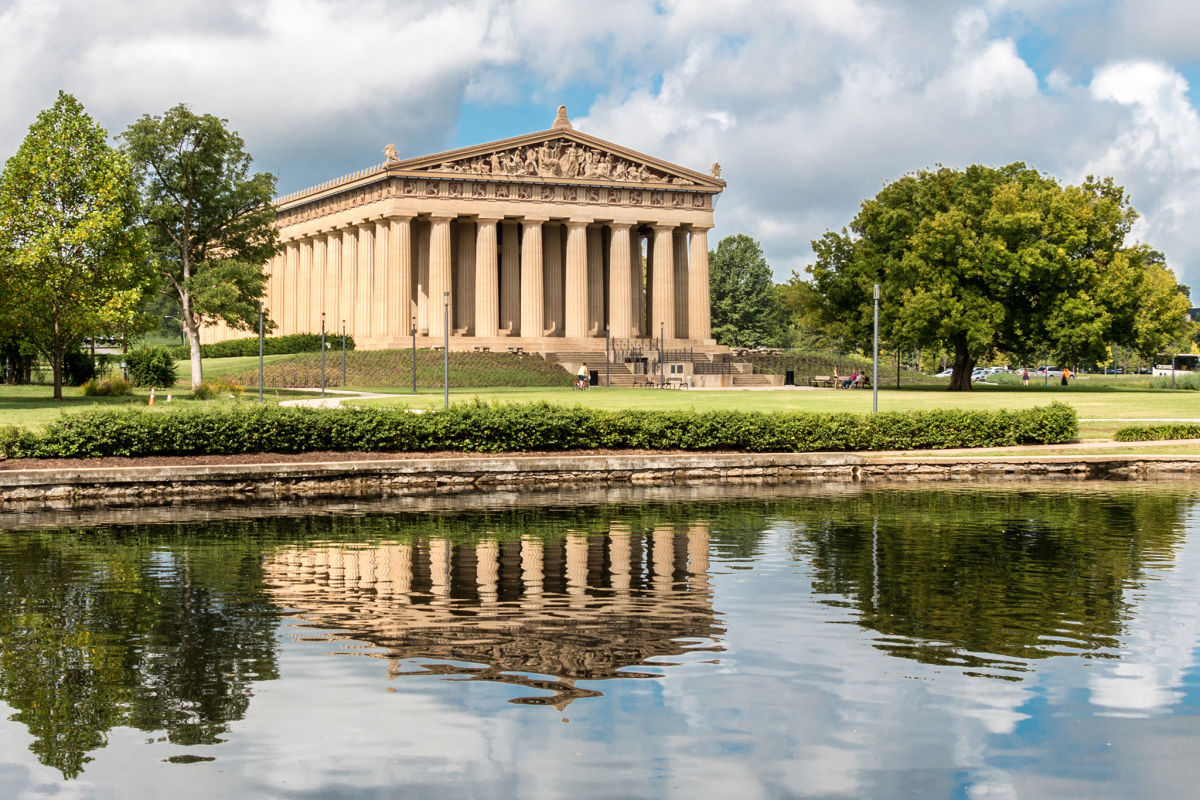
The practical issue is that Nashville is spread out. A route that looks close on a map may include fast roads, weak sidewalks, hills, heat, or awkward crossings. This seasoned traveler should plan neighborhood days instead of trying to walk the whole city. Do 12 South and Sevier Park together, Germantown with the Nashville Farmers Market, Midtown with Centennial Park and the Parthenon, or East Nashville with Five Points and local cafes. After dark, stick to busy, well-lit streets. Women travelers repeatedly flag the riverfront and pedestrian bridge as better in daylight than late at night. If your next stop is more than a 15 to 20 minute walk, rideshare is usually the calmer choice.
Opening Hours
Nashville runs later than many Southern cities because live music drives the night economy. Broadway honky-tonks and downtown bars often keep going until the early morning, while restaurants in tourist-heavy zones usually serve dinner later than neighborhood cafes. Coffee shops, brunch spots, boutiques, and museums operate on more standard hours, with many opening around breakfast or late morning and closing before evening. The Country Music Hall of Fame, Ryman tours, the Frist Art Museum, Belle Meade, and the Grand Ole Opry should all be checked in advance because show calendars, private events, and seasonal hours can shift quickly.
For solo travelers, the smartest rhythm is not simply following the latest open sign. Weekday afternoons and early evenings are easier for first visits to Broadway, Printers Alley, The Gulch, Germantown, and East Nashville because staff have more bandwidth and streets feel less chaotic. Popular restaurants, especially Husk, Etch, Butcher and Bee, Folk, Rolf and Daughters, Henrietta Red, Locust, and The Bluebird Cafe area restaurants, reward reservations. Sunday can be mixed: restaurants and bars may be open, but some shops and local services shorten hours. Build wiggle room into every day. Nashville is better when you leave space for a songwriters night, a delayed brunch line, or a sudden thunderstorm.
Restaurants
Nashville is unusually good for solo dining because so much of its food culture is casual, counter-based, bar-seated, or music-adjacent. This seasoned traveler can eat well alone without feeling like a problem for the host stand. City Cast and Eater-style local recommendations point to places such as Butcher and Bee, Cafe Roze, Peninsula, Chauhan Ale and Masala House, Monell's in Germantown, Bite a Bit Thai Sushi, and Salento Italia as comfortable solo choices. Many have bars, counters, small tables, or neighborhood energy that lets you read, people-watch, or talk to staff.
The food map is broad. Hot chicken is the obvious Nashville rite, with Prince's and Hattie B's drawing the longest visitor attention, but do not make heat level a dare if you are alone and far from your hotel. Germantown is strong for polished dining and the Farmers Market. East Nashville is excellent for coffee, vegetarian-friendly menus, pizza, cocktails, and independent restaurants. The Gulch suits brunch and higher-end dinners, while Midtown is useful for an energetic bar-and-food night without the full Broadway crush. Typical casual lunches run around $15 to $25, and a mid-range dinner can land at $40 to $70 before drinks and tax. Tip normally, book ahead for famous restaurants, and keep one easy backup near your hotel.
Haggling
Haggling is not part of normal Nashville travel culture. Prices in boutiques, restaurants, bars, hotels, museums, rideshares, and music venues are fixed, and trying to bargain can read as rude rather than savvy. This seasoned traveler should expect the posted price plus sales tax and tip. Tennessee sales tax is noticeable, and Nashville's combined rate can make small purchases feel more expensive than the tag suggests. In restaurants and bars, tipping is part of the system. Plan roughly 18 to 22 percent for table service, at least a dollar or two per drink at bars, and more when musicians or servers have made the experience personal.
Where you do have control is timing and setting. Broadway drinks are expensive, especially in rooftop bars and celebrity-branded honky-tonks, so a solo traveler can save by having one planned drink there and doing dinner elsewhere. For souvenirs, compare prices between downtown boot shops, local maker markets, and neighborhood boutiques in 12 South, Germantown, or East Nashville. Farmers markets and pop-ups may occasionally have maker-direct pricing, but that is not an invitation to push hard. Ask politely if vendors have smaller items, show specials, or card minimums. In Nashville, respect for working musicians, servers, and small-business owners goes further than bargaining.
Hospitals
Nashville has strong emergency care by United States standards, but visitors should remember that care can be expensive without travel insurance or in-network coverage. For immediate emergencies, call 911. Vanderbilt University Medical Center is a major academic medical center near 21st Avenue and Medical Center Drive, with an adult emergency entrance on the west side of Medical Center Drive. Ascension Saint Thomas Hospital West also provides 24/7 emergency care and lists chest pain, stroke symptoms, severe bleeding, shortness of breath, major trauma, and sudden neurologic changes as reasons to go directly to an ER or call 911.
This seasoned traveler should save a few numbers before going out: 911 for emergencies, 311 or 615-862-5000 for hubNashville city services, and 615-862-8600 for non-emergency police assistance. If you are staying in Midtown, West End, Hillsboro Village, or near Vanderbilt, Vanderbilt is especially close. From Downtown, The Gulch, Germantown, and East Nashville, ask hotel staff or rideshare routing for the nearest appropriate facility if it is not a life-threatening situation. Bring prescriptions in original packaging, carry proof of insurance, and keep a photo of your passport or ID separate from your wallet. For minor issues, urgent care may be cheaper than an ER, but severe symptoms should not wait.
Drinking Water
Tap water in Nashville is generally safe to drink. Metro Water Services publishes water quality reporting, and recent public-facing city material says Nashville drinking water meets or exceeds federal and state standards. For a solo traveler, this means you can refill a bottle at your hotel, use ice in restaurants, and avoid spending money on bottled water unless you prefer it. The bigger hydration issue is weather and nightlife. Summers are hot and humid, and Broadway evenings often involve standing, dancing, salty food, and alcohol. Dehydration can sneak up fast.
Carry a reusable bottle during daytime walks in 12 South, Centennial Park, Germantown, and East Nashville. If you are drinking, alternate cocktails or beers with water, especially in crowded honky-tonks where the music, lights, and heat can blur your sense of pace. Nashville's tap water taste may vary by building, so a filter bottle is helpful if you are picky, but it is not a safety requirement. Severe storms can occasionally affect local infrastructure in any city. If there is an active boil-water advisory during your trip, follow hotel and city guidance, but under normal conditions the water is fine for brushing teeth, coffee, ice, and refills.
Alcohol Laws
The legal drinking age in Nashville, as in the rest of Tennessee and the United States, is 21. Bring a physical government ID or passport if you plan to drink, because bars and honky-tonks can card strictly even when a traveler is clearly over 21. Alcohol service is not 24/7. Many bars close around 2:00 or 3:00 a.m., and exact rules can vary by license, day, and district. Restaurants and bars generally sell alcohol on Sundays, but liquor store rules and retail hours are more limited.
Open-container rules are easy to misunderstand. Do not assume you can carry an open drink through public streets just because Broadway feels like a party zone. Licensed venues and specific permitted events are different from sidewalks, parks, parking lots, and ordinary public spaces. For women traveling alone, the more important law is personal safety: never leave a drink unattended, do not accept an open drink from a stranger, and avoid drinking to the point where you cannot navigate a rideshare pickup. Broadway bartenders are busy, crowds are dense, and phone service can feel strained during peak nights. Decide your exit plan before the second drink, not after the fourth.
Greetings
Nashville social etiquette is friendly, informal, and talkative. Strangers may make small talk in elevators, cafe lines, hotel lobbies, bars, and rideshares, and a warm response usually goes over well. A simple hello, thanks so much, or appreciate y'all fits the local rhythm without performing a caricature. This seasoned traveler should expect a mix of locals, tourists, musicians, bachelorette groups, conference travelers, and recent transplants, so the vibe changes quickly by neighborhood. Germantown and East Nashville feel more local and creative. Broadway is more extroverted and tourist-heavy. Green Hills and Belle Meade read more polished.
Friendliness does not mean you owe anyone your time. Solo women can be polite and firm in the same sentence: I am meeting friends, I am heading out, or no thanks, have a good night. In music venues, respect the room. Listening rooms such as The Bluebird Cafe, songwriter rounds, and smaller stages are not the place for loud side conversations. In honky-tonks, tip musicians if you stay for a set. In residential neighborhoods, keep noise down when leaving late. Nashville appreciates warmth, but it also appreciates visitors who remember that people live behind the murals and party streets.
Punctuality
Nashville is relaxed in tone, but reservations, ticketed shows, and rideshare timing still matter. Arrive early for the Ryman Auditorium, Grand Ole Opry, Bluebird Cafe, Ascend Amphitheater, Bridgestone Arena, and popular dinner bookings. Security lines, parking garages, rideshare congestion, and downtown street closures can turn a short hop into a slow crawl. Broadway and arena nights are especially unpredictable. If a show starts at 7:30 p.m., plan like you need to be nearby by 6:45 p.m., not requesting the car at 7:15 p.m.
For restaurants, punctuality is practical self-protection. Solo diners are easier to seat when they arrive on time, and busy kitchens may release reservations after a grace period. Brunch lines at Pancake Pantry, Biscuit Love, and popular East Nashville cafes can be long, so go early or accept the wait as part of the plan. Tours and museums vary: some timed tickets are strict, while walk-up attractions are more flexible. Locals may speak casually about time, but the visitor economy runs on bookings. This seasoned traveler should build buffer around every evening plan, especially if crossing from East Nashville to Downtown, from The Gulch to Midtown, or from Opryland back into the core.
Meeting People
Nashville is easy to be around people in and more selective when it comes to genuine connection. For low-pressure social energy, choose places where interaction is already built in: bar seats at solo-friendly restaurants, songwriter rounds, walking tours, food tours, museum events, hotel rooftops, coffee shops, and small music rooms. Nashville Social Club describes itself as a free volunteer-led group for locals, transplants, out-of-towners, full-time travelers, professionals, singles, parents, and curious people who want new experiences. Meetup-style event listings also show regular social, expat, fitness, book, and hobby gatherings.
This seasoned traveler should not rely on Broadway as the only social plan. It is fun for people-watching and spontaneous conversation, but it can be loud, alcohol-heavy, and repetitive. East Nashville cafes, Germantown restaurants, Midtown music venues, Centennial Park events, and 12 South boutiques create softer points of contact. If you are working remotely, coworking spaces and laptop-friendly cafes can help, though Nashville cafe culture is more hit-or-miss than in older walking cities. When meeting someone new, keep the first meetup public, tell a friend your plan, and use your own transportation. Nashville's friendliness is real, but sensible solo rules still apply.
Practical Considerations
Nashville is in the Central Time Zone and uses the U.S. dollar. Standard U.S. electricity is 120V with Type A and Type B plugs. English is the operating language, and cards are widely accepted, though carrying a small amount of cash helps for tips, small vendors, and musician buckets. Tennessee has no state income tax, but sales tax is high enough that visitors notice it. A solo traveler budgeting realistically should plan for pricey hotels during festivals, conventions, CMA Fest, Titans games, major concerts, and holiday weekends.
Weather is a major practical factor. Nashville has a humid subtropical climate with hot, humid summers, generally mild winters, pleasant spring and fall windows, and thunderstorms spread through the year. Spring can bring severe weather and tornado risk in Middle Tennessee, so keep weather alerts enabled. Summers require breathable clothes, sunscreen, and water. Fall is often the sweet spot for walking. WiFi is generally easy in hotels and coworking spaces; digital nomad guides cite Nashville as workable, but not cheap, with central rents and dining costs climbing. The city is also more car-dependent than first-timers expect. Choose accommodation by neighborhood, not just hotel rating, because location shapes safety, cost, and daily friction.
Accommodation
Accommodation is one of the most important safety choices in Nashville. First-time solo travelers should prioritize Downtown north of Broadway, SoBro, The Gulch, Midtown, West End, Germantown, 12 South, Hillsboro Village, or well-reviewed East Nashville properties near active commercial streets. Staying two blocks from Broadway in SoBro can feel safer than saving money far out and depending on late-night rides across unfamiliar areas. Hotels such as Noelle, Bobby Hotel, Drury Plaza, Omni, Thompson Nashville, W Nashville, Graduate Nashville, Hutton Hotel, and Moxy Nashville Vanderbilt frequently appear in solo or neighborhood-based recommendations, but the right pick depends on your trip style.
Downtown gives easiest sightseeing and nightlife, plus noise. SoBro is convenient and slightly smoother for first-timers. The Gulch is stylish, walkable, and expensive. Midtown and West End are good for Vanderbilt, Centennial Park, and a less touristy bar scene. Germantown is excellent for food and daytime wandering. East Nashville feels creative and local but requires more care choosing the exact block and getting home at night. Hostels and female-only dorm listings exist, but verify current reviews, location, locks, and transit before booking. For solo women, a central, well-reviewed place with 24-hour front desk coverage is often worth more than a bargain room with an awkward late-night approach.