Is Napa Safe for Solo Female Travelers?
united states
Napa is a polished solo wine-country base with walkable dining, tasting rooms, and easy conversation. The caveat is transport: the valley spreads out fast, so plan winery days and late rides before the first pour.
Stats
Key Safety Tips
Why Napa is perfect for solo female travelers
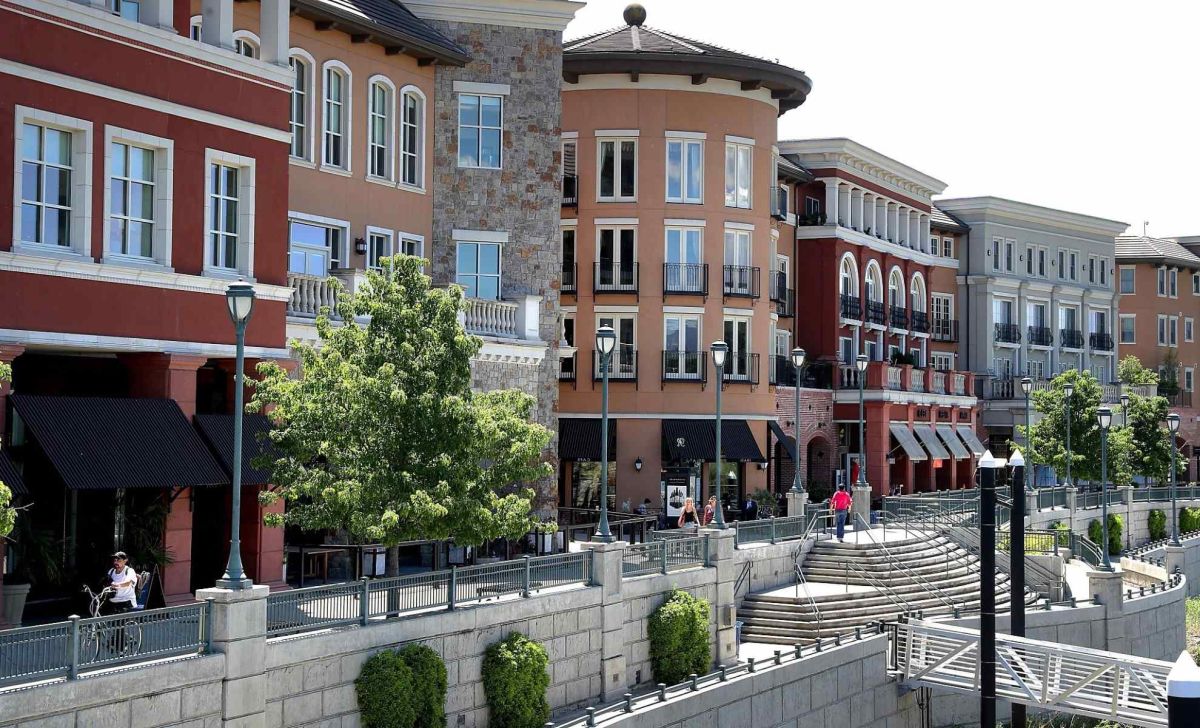
Napa works unusually well for a solo woman who wants a polished, slow, food-and-wine trip without feeling like she has to perform being social every minute. The city is compact at its core, especially around Downtown Napa, the Riverfront, and Oxbow, and the local travel infrastructure is built around tasting rooms, reservations, markets, restaurants, galleries, and short scenic walks. This seasoned traveler has found that being alone here often reads as intentional rather than lonely. Bar seats, communal tasting counters, cooking demos at CIA at Copia, and the casual tables at Oxbow Public Market all make it easy to talk when you want company and stay private when you do not.
The main caveat is logistics. Napa Valley is spread out, and the most famous wineries, spas, and restaurants are not all walkable from one base. Rideshares can be unreliable after dark or outside downtown, and wine tasting makes self-driving a poor plan. A woman visiting alone should choose lodging close to the experiences she wants most, book tastings and dinners ahead, and use The Vine bus, organized wine tours, hotel transport, taxis, or pre-booked car service for Upvalley days. Napa rewards planning, but it does not require a companion.
Walking around
Walking in Napa is best when you treat the city center and the valley towns as a set of walkable pockets rather than one continuous pedestrian destination. Downtown Napa has the easiest solo walking pattern: a grid of restaurants, tasting rooms, hotels, shops, the Napa Valley Opera House, Blue Note Napa, and the riverfront within a comfortable radius. The Oxbow District adds another reliable pedestrian zone around Oxbow Public Market, CIA at Copia, casual patios, and nearby tasting rooms. During daylight and early evening, these areas feel active and visitor-friendly, with other couples, groups, and solo travelers moving between meals, wine bars, and shows.
Outside the core, walking becomes more selective. Old Town Napa and Alta Heights offer attractive residential streets and access back toward downtown, but hills, quieter blocks, and limited late-night foot traffic mean they are better for daytime exploring than late solo walks. The city notes bike lanes are increasing, the Commuter Bike Path runs parallel to the Napa Valley Railroad, and the Napa River Trail is planned as a longer continuous pedestrian and bicycle route. For a solo woman, the practical rule is simple: walk freely in busy central areas, use a ride back after dinner if the route is quiet, and do not assume vineyard roads have sidewalks or lighting.
Opening Hours
Napa runs on reservation rhythm more than big-city spontaneity. Coffee shops and bakeries usually matter most in the morning, especially if you want a peaceful start before tasting rooms open. Oxbow Public Market, downtown cafes, and hotel breakfast spots are useful because solo travelers can eat casually without waiting for a table. Many tasting rooms begin appointments in the late morning, with prime slots clustered from around 10 a.m. through mid-afternoon. The best solo experience is often one focused tasting before lunch and one easy activity after, because wine-country service becomes more personal when you are not rushing between appointments.
Restaurants vary widely, but dinner in Napa is often earlier than in major cities. A reservation around 5:30 or 6:00 p.m. can mean calmer rooms, easier bar seating, and more attentive staff. Popular places such as Morimoto Napa, La Toque, Celadon, Cole's Chop House, Grace's Table, Zuzu, and Tarla can book up, especially Thursday through Saturday. Nightlife exists, particularly around Downtown Napa, Blue Note Napa, Uptown Theatre, cocktail bars, and hotel rooftops, but it is not a late-night party city. Plan your last transport before you start drinking, check closing times daily, and expect many smaller wineries and shops to keep shorter hours outside peak season.
Restaurants
Solo dining is one of Napa's strengths. The city has enough serious restaurants to feel special, but it also has a strong counter, market, and wine-bar culture that keeps a table for one from feeling awkward. Oxbow Public Market is the easiest first stop because you can choose oysters at Hog Island Oyster Co., sandwiches, coffee, chocolates from Anette's, cheese, baked goods, or picnic supplies without committing to a formal dining room. The communal seating and constant movement make it comfortable when you want to people-watch with a book or talk with a vendor.
Downtown Napa is where a solo woman can build a full food day on foot. Grace's Table, Zuzu, The Kitchen Door, Cole's Chop House, Tarla Mediterranean Bar & Grill, Azzurro Pizza, Filippi's Pizza Grotto, Morimoto Napa, La Toque, and Celadon give choices from casual to splurge. Bar seats are your friend: they give you staff conversation, quicker service, and a natural place to dine alone. For Upvalley meals, Yountville and St. Helena are more reservation-driven and expensive, so book ahead and arrange transport. Tipping follows United States norms, usually around 18 to 22 percent for table service. If you are tasting wine before dinner, alternate with water and food because pours add up quickly.
Haggling
Napa is not a haggling destination. Prices in restaurants, tasting rooms, boutiques, hotels, markets, spas, rideshares, taxis, and organized tours are fixed, and trying to bargain in those settings will feel out of place. This is California wine country, where the etiquette is polished but casual: ask questions, be friendly, tip appropriately, and respect reservations. You can compare tasting fees, corkage fees, happy hours, hotel rates, and tour inclusions before booking, but once you are there, the posted price is the price.
The places where money conversation does make sense are practical rather than theatrical. If you are booking a private driver, small-group wine tour, spa package, or longer stay, ask clearly what is included: pickup area, gratuity expectations, tasting fees, cancellation windows, and overtime charges. For hotel stays, it is fine to ask about parking fees, resort fees, breakfast, or whether a quieter room is available. At farmers markets or artisan stalls, you may see occasional bundles or seasonal specials, but do not press. A solo woman will usually get better results by being warm, direct, and organized than by negotiating. Keep receipts, confirm reservations in writing, and check credit card statements after higher-cost wine purchases or shipping orders.
Hospitals
Napa has solid emergency coverage for a small destination, which is reassuring for solo travelers. The key medical anchor is Providence Queen of the Valley Medical Center, whose Gasser Emergency Center is a Level III trauma center staffed by board-certified emergency physicians 24 hours a day. It handles problems ranging from cuts and illness to strokes, heart attacks, and many trauma cases, and it also serves as the paramedic base station hospital for Napa County emergency services. For life-threatening situations, call 911. For Napa Police non-emergency dispatch, the city lists 707-257-9223.
A solo visitor should keep health logistics simple. Save your hotel address, nearest cross street, insurance details, emergency contact, and any allergy or medication list somewhere accessible from your phone lock screen or wallet. In the United States, emergency care can be expensive, and Providence notes that physician bills may arrive separately from hospital bills. Travel insurance is worth considering if you are visiting from outside the country or planning activities such as cycling, hiking, hot air ballooning, or heavy wine tasting. For minor problems, ask your hotel about nearby urgent care or pharmacies. Because wine, heat, dehydration, and winding valley roads can combine badly, pace tastings and eat before you need medical help.
Drinking Water
Napa tap water is generally safe to drink. The City of Napa says its Water Division provides drinking water that meets state and federal health standards, using sedimentation, filtration, and disinfection through three treatment plants. The city also says it samples and tests water continually for contaminants and that seasonal changes in reservoirs or treatment locations can affect taste and odor without making the water unsafe. For most solo travelers, refilling a bottle at the hotel before a tasting day is both safe and sensible.
The bigger drinking-water issue in Napa is not access, it is hydration discipline. Wine tastings, warm afternoons, long lunches, and walking between downtown stops can make dehydration sneak up faster than expected. Carry a reusable bottle, especially if you are cycling the Vine Trail, walking the riverfront, or spending time in Calistoga where spa and mineral-water experiences are common. Restaurants will provide tap water, and casual market stops make it easy to buy sparkling water or electrolyte drinks. If you are sensitive to taste changes in municipal water, use bottled water or a filtered bottle, but do not worry about basic safety in normal circumstances. Drink water before your first tasting, between pours, and before bed.
Alcohol Laws
Napa is in California, so the legal drinking age is 21. Carry government-issued photo identification, such as a passport, passport card, or driver's license, because tasting rooms and bars may card visitors who look younger than expected. Alcohol service is professional and friendly, but wineries can refuse service to anyone who appears intoxicated, and they should. Tastings often look small on paper, yet several pours across multiple stops can equal far more than one standard drink. A solo woman should set her pace before the first glass, not after the third appointment.
Driving after tasting is the most important safety issue. California has strict DUI laws, and Napa's rural roads, limited lighting, and scattered wineries make impaired driving dangerous even before legal consequences. Use a designated tour, pre-booked driver, The Vine where routes fit, hotel shuttle, taxi, or rideshare with extra time built in. Do not count on instant late-night rideshares from remote wineries or hillside properties. Public drinking outside permitted areas is not the norm, and open-container rules apply in vehicles. Tipping tasting room staff is appreciated when service is personal, especially for waived fees or extended guidance. If a host pours generously, it is still fine to spit, dump, or decline.
Greetings
Napa's social style is warm, polished, and low-pressure. A simple hello, smile, and direct question will carry you almost everywhere, from tasting counters to hotel desks to market stalls. In restaurants and wineries, staff often ask where you are visiting from, what kind of wine you like, and whether you have plans after the tasting. Solo women can use that openness to get tailored recommendations without oversharing. You do not need to explain why you are alone. Say you are building a quiet wine-country day, ask for one favorite local stop, and let the conversation stay practical.
Physical greetings follow normal United States etiquette. Handshakes may happen in more formal hospitality or private tour settings, but casual verbal greetings are more common. Hugging is for people you already know. English is the default language, and service staff are used to visitors from across the United States and abroad. Good manners matter: arrive on time for appointments, call if delayed, tip where appropriate, and treat wine educators as skilled professionals rather than servers reciting a script. If another guest becomes too familiar, a firm, friendly boundary is culturally acceptable. Move closer to staff, say you are heading out, or ask the host to call transport.
Punctuality
Punctuality matters in Napa because the best experiences are often appointment-based. Wineries schedule seated tastings, cave tours, food pairings, spa treatments, cooking classes, balloon flights, and private drivers in tight blocks. Arriving 10 minutes early is ideal, especially if you need to park, check in, use the restroom, or settle before wine service starts. If you are late, call. Some wineries can adjust, but others may shorten the tasting or cancel because the next group is already booked.
For solo travelers, punctuality is also a safety tool. A clear schedule keeps you from improvising transport after dark or squeezing in one more winery when you are already tired. Build realistic travel time between Downtown Napa, Yountville, St. Helena, Rutherford, Oakville, and Calistoga. Distances look short on a map, but traffic on Highway 29, event weekends, harvest season, parking, and slow scenic roads can add delays. Hot air balloon flights require especially early starts and weather flexibility. Restaurants may hold tables briefly, but popular spots can release them. If you book a tour, be at the pickup point before the window begins. Napa feels relaxed, but its hospitality engine runs on calendars.
Meeting People
Meeting people in Napa is easiest when you choose structured, shared experiences. Solo travel here is less about random nightlife and more about conversation at tasting counters, food markets, classes, tours, and small bars. Visit Napa Valley's solo itinerary points travelers toward downtown hotels, Oxbow Public Market, CIA at Copia, cooking demos, art, wine bars, the Vine Trail, Yountville, Calistoga, St. Helena, and rooftop or music venues where conversation can happen naturally. A small-group wine tour is especially useful because no one has to drive, and other guests already expect to chat between stops.
Downtown Napa is the most reliable social base. Blue Note Napa, Uptown Theatre, wine bars, cocktail bars such as The Fink, Folklore's record-store-meets-bar energy, hotel rooftops, and Oxbow's communal tables give a solo woman places to be among people without committing to a club scene. For female community, local organizations such as Napa Women's Club exist, but short-term visitors will usually find more immediate connection through events, classes, and tours. Keep boundaries intact: meet new acquaintances in public places, do not accept rides from strangers after drinking, and share your evening plan with a trusted contact if you are extending the night.
Practical Considerations
Napa uses the United States dollar, standard U.S. tipping customs, 120V Type A and Type B electrical outlets, and English as the everyday language. Credit cards are widely accepted, but carrying a small amount of cash helps with tips, farmers markets, valet, or the occasional small vendor. Cell service is good in central Napa and valley towns but can weaken in rural pockets, hills, and some winery areas. Download maps, reservation confirmations, and ride details before heading into the countryside. Wi-Fi is common in hotels, some cafes, coworking options, and many tasting rooms, but it is not something to depend on during vineyard days.
Weather shapes packing. Summers are warm, dry, and mostly clear, while winters are cooler and wetter. Napa can swing between chilly mornings, hot afternoons, and cool evenings, so layers matter more than fancy outfits. Comfortable shoes are essential for river walks, tasting room standing, market browsing, and uneven winery paths. Sun protection is useful year-round, and smoke or wildfire conditions can affect air quality during parts of California's fire season. Napa is expensive compared with many U.S. destinations. Budget for tasting fees, tips, transport, and reservations, not just lodging. The best solo trips here are slower, better planned, and less packed than the marketing photos suggest.
Accommodation
Where you stay will decide how safe and easy the trip feels. For a first solo visit, Downtown Napa is the most practical base because restaurants, tasting rooms, Oxbow Public Market, the riverfront, theaters, bars, and hotels are close together. Archer Hotel, Andaz Napa, Napa River Inn, River Terrace Inn, Churchill Manor, and other central stays let you walk to dinner and reduce the number of late rides. This is especially helpful if you want nightlife, budget flexibility, or a no-car trip.
Yountville is the strongest choice for a quieter, polished food-focused stay. It is small, very walkable, and known for high-end dining, gardens, galleries, and boutique hotels such as Bardessono, Hotel Yountville, North Block, and Napa Valley Lodge. St. Helena feels classic and stylish, with Main Street shopping, restaurants, and easy access to central valley wineries. Calistoga is best for spas, hot springs, mud baths, and a slower wellness mood. Rural inns, vineyard properties, and hillside rentals can be beautiful but isolating for a woman alone if you do not have a car or arranged transport. Before booking, check walking distance to dinner, parking fees, lighting, reception hours, and whether rideshares reliably serve the property.