Is Minneapolis Safe for Solo Female Travelers?
united states
Minneapolis is a smart, artsy lake city for solo women who like museums, food, music, and long daylight walks. Its main caveat is late-night downtown energy and winter conditions, so plan routes and rides with care.
Stats
Key Safety Tips
Why Minneapolis is perfect for solo female travelers
This seasoned traveler reads Minneapolis as a city of strong contrasts: polished lakeside mornings, serious art museums, ambitious restaurants, and a practical urban edge that asks you to stay alert. It is especially good for women who like an independent day built around walking paths, coffee shops, museums, bookstores, and a dinner seat at the bar. The core visitor circuit is easy to understand. Downtown West, Downtown East, North Loop, Loring Park, Northeast, and the Chain of Lakes give you a compact set of neighborhoods with very different moods.
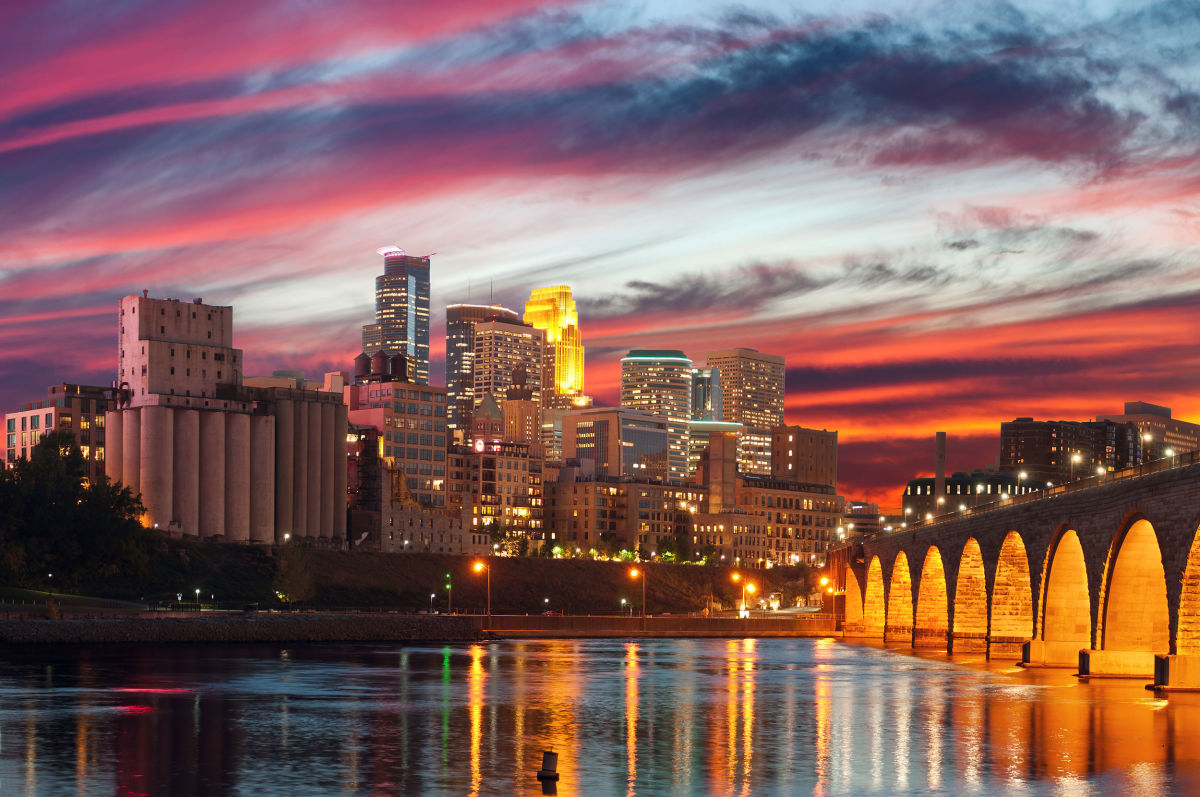
The best version of Minneapolis is active in daylight. You can start at Hen House Eatery downtown, use the Skyway when weather is rough, visit Mill City Museum, cross Stone Arch Bridge, and finish with a solo dinner at Spoon and Stable or a low-key bar seat in Northeast. The Walker Art Center, Minneapolis Sculpture Garden, Minneapolis Institute of Art, Guthrie Theater, Foshay observation deck, Target Field, and the riverfront give a solo traveler plenty of structured things to do without needing a companion.
Safety is not a simple yes or no here. Women travelers report feeling comfortable in central areas and around the lakes during the day, and public transport is usable, but downtown nightlife pockets can feel rowdy on weekends and late trains require ordinary city caution. Minneapolis works best when you choose a well-located hotel, plan routes before leaving, and switch to rideshare when an area feels too quiet or chaotic.
Walking around
Many women will enjoy walking Minneapolis in the right places at the right times. The city has an unusually strong parks and trails system, and the Chain of Lakes makes solo wandering feel like an actual activity rather than just transportation. Bde Maka Ska, Lake Harriet, Lake of the Isles, West River Parkway, Gold Medal Park, Loring Park, and the Stone Arch Bridge are all good daylight walking anchors. The most visitor-friendly walks tend to have other people around: joggers, cyclists, museum visitors, office workers, brewery crowds, or families heading to the lakes.
Downtown is walkable but uneven. The Skyway system connects about 80 blocks through second-floor corridors, and it is extremely useful in winter or heavy rain. It also changes the feel of downtown at street level because some sidewalks can seem quieter than expected, especially after office hours. This seasoned traveler would use the Skyway for practical daytime movement, then choose street routes with active storefronts, hotels, theaters, or sports crowds after dark.
Neighborhood walking is strongest in North Loop, Downtown East near the Mill District, Northeast around Central and 13th Avenue, Loring Park near the Walker, Linden Hills around 43rd and Upton, and the lake-adjacent parts of South Minneapolis. Be more careful in isolated industrial edges, empty parking lots, transit stops with little foot traffic, and late-night downtown blocks where bars are closing. In winter, icy sidewalks matter as much as personal safety, so footwear with traction is not optional.
Opening Hours
Minneapolis runs on a practical Midwestern rhythm, with visitor attractions clustered around daytime and early evening hours. Major museums such as the Walker Art Center, Minneapolis Institute of Art, Mill City Museum, and the Foshay observation deck can change schedules by season, so check the same day before building a route around them. Restaurants generally serve lunch and dinner on predictable American timing, but many independent spots close one or two days a week, and Monday can be thin for ambitious dining.
Breakfast and coffee are easy in popular visitor areas. Downtown has Hen House Eatery, hotel coffee bars, Spyhouse, Gray Fox, and other options that open early enough for a museum day. In South Minneapolis, bakeries such as Patisserie 46 and neighborhood cafes make mornings feel relaxed and solo-friendly. Dinner is usually easiest between 5:00 p.m. and 9:00 p.m.; later dining exists in bar-heavy areas, but the city is not a 24-hour food destination.
Bars, breweries, and music venues carry the later energy. Minnesota alcohol rules are more regulated than in some states, and many off-sale liquor purchases are tied to liquor-store hours rather than casual grocery shopping. Some bars serve until around 2:00 a.m. where licensed, but that does not mean a solo traveler should plan to walk alone after closing time. Winter also changes the practical day. A 7:00 p.m. walk in January can feel very different from a 7:00 p.m. lake stroll in July, so treat daylight as a planning resource.
Restaurants
Minneapolis is one of the strongest solo dining cities in the Midwest because many good rooms are comfortable for a party of one. The local sweet spot is the bar seat: casual enough that you do not feel staged, but serious enough that the food is worth planning around. Eater highlights the solo dining formula well: comfortable bar seating, good food and drinks, and staff who can balance friendliness with leaving you alone. That matches how the city eats.
Downtown and North Loop are the easiest first choices for a visitor. Spoon and Stable is a splurge, and solo travelers can sometimes do better at the bar than a group fighting for a reservation. Hen House Eatery is useful for breakfast, while La Madre, Umbra, Day Block Brewing, Bricksworth Beer Co., and nearby hotel restaurants work for low-friction meals between sightseeing. Northeast has Dutch Bar for wine-bar energy, Anchor Fish and Chips for a warm pub mood, Kramarczuk's for Polish and Eastern European classics, Hai Hai for Southeast Asian flavors, and Earl Giles for cocktails and pizza.
South Minneapolis broadens the city beyond downtown. Broders' Pasta Bar near 50th and Penn is a classic solo pasta option, while Longfellow's Merlins Rest has bar seating, pub food, whiskey, and Friday Irish music. Tipping matters: in the Twin Cities, 18 to 20 percent is expected at sit-down restaurants, and 20 percent is common in stronger dining neighborhoods. Service charges can appear on bills, so read the receipt before adding more.
Haggling
Haggling is not part of everyday Minneapolis culture. Prices in restaurants, boutiques, museums, grocery stores, coffee shops, taxis, rideshare apps, breweries, and vintage stores should be treated as fixed. This is the United States, and the local version of politeness leans toward indirectness rather than bargaining. A traveler trying to negotiate a cafe bill, a restaurant check, a hotel rate at the desk, or a shop purchase will usually come across as confused or rude.
The places where a little price conversation can make sense are limited. At flea markets, yard sales, vintage pop-ups, or some art markets, a polite question such as, "Is there any flexibility if I buy both?" may be acceptable. Keep it light, smile, and accept the answer immediately. Do not pressure artists, small shop owners, service workers, or market vendors. Minneapolis has a strong creative community, and many makers price their work carefully.
For travel costs, use comparison rather than haggling. Check hotel rates across booking platforms, look for museum free days, use Metro Transit where it makes sense, and compare Uber, Lyft, taxi, or licensed local rideshare options before ordering. At restaurants and bars, the price is the price, and the cultural expectation is that you add an appropriate tip. Many visitors also forget sales tax and service charges, so the number on a menu is not always the final total. Budget with that in mind and save bargaining energy for another country.
Hospitals
Emergency support in Minneapolis is strong by U.S. standards, but visitors should remember that American healthcare can be expensive without insurance. For immediate danger or a serious medical emergency, call or text 911. Metro Transit also notes that emergency call buttons are available at light rail and bus rapid transit stations and on light rail vehicles. If something unwanted or suspicious happens on transit but it is not an immediate emergency, Metro Transit publishes a Text for Safety number: 612-900-0411.
The central medical anchor is Hennepin Healthcare, historically known for its emergency department and downtown location. Abbott Northwestern Hospital in South Minneapolis is another major hospital, and the broader metro area has Allina Health, M Health Fairview, HealthPartners, and other systems. A solo traveler staying downtown, near the Mill District, or in South Minneapolis should save the address of the nearest emergency department and an urgent care option before going out. In the United States, urgent care is often the better fit for non-life-threatening issues such as minor infections, sprains, or simple medication needs.
Carry travel insurance details, a photo of your passport, prescription names, and an emergency contact in your phone and offline notes. Pharmacies such as CVS, Walgreens, and Target pharmacies can help with basic over-the-counter needs, though hours vary. If you are injured late at night, use a rideshare or taxi rather than walking across unfamiliar blocks. Staff in hotels and larger venues can usually help call transport or direct you to the nearest appropriate care.
Drinking Water
Minneapolis tap water is safe to drink, and the city is unusually direct about this. The City of Minneapolis says its tap water is safe, affordable, healthy, and refreshing. It also says the water is tested hundreds of times per day, treated through normal filtration, and managed with additives such as fluoride and orthophosphate. Orthophosphate is used to reduce the risk of lead entering drinking water, and residents can request lead testing if they are worried about a specific building.
For a visitor, the practical advice is simple: carry a refillable bottle and use tap water unless your hotel or host gives a building-specific warning. Bottled water is easy to find, but it is not necessary for normal health reasons. The city also points out that tap water is more tightly regulated than bottled water and far cheaper. This matters in Minneapolis because summer lake walks, brewery afternoons, museum days, and winter indoor heating can all dehydrate you faster than expected.
The main caution is old plumbing rather than the city supply. If you are staying in a very old house share or apartment rental, run the cold tap briefly and ask the host about any known lead service line issues. In restaurants, asking for tap water is normal and free. Ice is common, refills are routine, and servers will not find the request strange. During winter, do not underestimate dry air. A water bottle belongs in your day bag even when the temperature is freezing.
Alcohol Laws
Minnesota alcohol rules are more regulated than many visitors expect, but the drinking culture in Minneapolis is easy to navigate. The legal drinking age is 21, and bars, breweries, restaurants, liquor stores, and music venues can ask for ID. Bring a passport or a U.S.-accepted government photo ID if you plan to drink. A photo on your phone is not enough. Minneapolis has a serious craft beer and cocktail scene, especially in Northeast, North Loop, Uptown-adjacent areas, and around downtown venues.
Off-sale alcohol has specific rules. Minnesota has historically kept stronger beer, wine, and spirits tied to liquor stores rather than treating alcohol exactly like ordinary groceries. Recent state rules have changed some beer access, but a traveler should still assume that liquor-store hours and Sunday rules matter. Search before you go, especially if you plan to bring wine back to a hotel or apartment. Restaurants and bars may serve late when licensed, with some service extending toward 2:00 a.m., but last call depends on the venue and day.
Solo women should treat nightlife with the same strategy they would use in Chicago, Denver, or Portland. Watch your drink, do not accept open drinks from strangers, and decide your ride home before the last venue. Many brewery taprooms feel relaxed and friendly for one person, while late downtown bar closing can feel rowdy. Tipping is expected: $1 to $2 per drink or around 20 percent on a tab is a normal Twin Cities standard.
Greetings
Minneapolis greetings are friendly but not overly intimate. The local stereotype of "Minnesota Nice" has some truth: people often smile, make weather comments, give directions, and avoid open confrontation. A solo traveler can usually ask for help in a coffee shop, hotel lobby, museum desk, or transit station without feeling like she is imposing. The tone is polite, practical, and lightly reserved. Start with "Hi" or "Excuse me," ask clearly, and say thanks.
Do not mistake politeness for instant friendship. Locals may chat warmly and still keep their social distance. Plans can be indirect, and people may soften disagreement rather than saying a blunt no. This matters for women meeting people in bars, apps, events, or community spaces: friendliness is common, but it is still fine to keep boundaries clear. A simple "I'm heading out now" or "I'm keeping tonight low-key" will be understood.
Physical greetings are standard American style. Handshakes are normal in professional contexts. Hugs are for people who already know each other. Kissing on the cheek is not typical. Dress is casual in most settings, with practical layers taking priority over fashion in winter. For restaurants, theaters, and cocktail bars, polished casual works. In neighborhoods around lakes and breweries, athleisure and denim are completely normal. The easiest cultural bridge is weather. Minneapolis has real seasons, and locals will almost always have something to say about snow, humidity, mosquitoes, or lake weather.
Punctuality
Punctuality in Minneapolis follows mainstream U.S. expectations. For tours, restaurant reservations, museum tickets, medical appointments, salon bookings, and rideshares, arrive on time or a few minutes early. Restaurants may hold a reservation briefly, but popular North Loop and downtown rooms can give the table away if you are late. Theater, sports, and concert venues such as the Guthrie Theater, Orpheum, Target Field, Target Center, First Avenue, and U.S. Bank Stadium also reward early arrival because security lines, parking, weather, and bag checks can slow you down.
The city adds two punctuality complications: winter and construction. Snow, ice, and cold can turn a short walk into a careful shuffle, and road work or downtown events can snarl rideshares. If you are traveling in winter, build in more time for boots, coats, traffic, and the mental work of moving through freezing weather. In summer, festivals, Twins games, concerts, and lake traffic can also affect timing.
Social punctuality is a little softer but still respectful. If you are meeting a local for coffee, a meetup, or a casual drink, five minutes late with a text is not a crisis. Fifteen minutes late without notice is rude. For solo travelers booking group activities, arrive early enough to find the exact entrance. Minneapolis buildings can be confusing, especially downtown hotels connected to the Skyway or venues with multiple doors. When in doubt, ask staff rather than wandering alone around empty exterior blocks.
Meeting People
Meeting people in Minneapolis is easiest when there is an activity in the middle. Locals can be warm but socially established, so a solo traveler will usually do better with structured settings than with randomly trying to join a table. Good options include brewery trivia, gallery openings in Northeast, museum events, bookshops, climbing gyms, yoga classes, food tours, concerts, sports bars during Lynx, Twins, Timberwolves, Vikings, or Wild games, and community events around the lakes.
Northeast is one of the better neighborhoods for low-pressure solo socializing because the arts, brewery, and restaurant scenes overlap. A woman can visit studios, stop for a beer, and have several natural conversation openings without making nightlife the whole plan. North Loop is more polished and restaurant-driven, useful for bar dining and stylish hotels. Loring Park and the Walker area are better for art-minded travelers. Longfellow, Linden Hills, and South Minneapolis cafes are calmer and better for daytime conversations.
Dating apps and friend apps work here, but use normal safeguards. Meet in public, choose your own transport, tell someone where you are going, and avoid being talked into a second location before you are comfortable. Minnesotans may be indirect, so do not wait for perfect clarity from someone else. Say what you want plainly. If you prefer company without pressure, take a class, join a walking tour, or sit at a restaurant bar where staff are used to solo diners. Minneapolis rewards gentle persistence more than bold networking.
Practical Considerations
The practical side of Minneapolis is shaped by weather. Summers are warm, green, social, and lake-centered, with mosquitoes and thunderstorms as the main annoyances. Winters are serious: freezing temperatures, wind, snow, ice, and dry indoor heat can affect every plan. Pack real winter layers if visiting from November through March: insulated coat, gloves, hat, scarf, warm socks, and shoes with traction. In summer, pack breathable clothes, sunscreen, insect repellent for lake and park evenings, and a light layer for air-conditioned interiors.
The currency is the U.S. dollar, cards are widely accepted, and contactless payment is common. Still, keep a small backup card and a little cash for tips, markets, or emergencies. Electrical outlets use U.S. Type A and Type B plugs at 120 volts. Wi-Fi is common in hotels, cafes, libraries, coworking spaces, and museums, and cellular coverage is generally good in visitor areas. Remote workers will find plenty of cafes, hotel lobbies, and coworking options, though laptop camping etiquette varies by venue.
Neighborhood choice matters more than raw hotel price. A cheaper stay far from your planned activities can cost time, rideshare money, and confidence after dark. Downtown West is convenient, Downtown East is good for history and the riverfront, North Loop is strongest for food and nightlife, Loring Park is good for museums and parks, and Linden Hills or lake-adjacent South Minneapolis feels calmer. Plan around clusters: do not bounce across the city repeatedly unless you enjoy logistics.
Accommodation
For most solo women, the best Minneapolis accommodation strategy is to pay for location. Downtown West works well for first-time visitors because hotels cluster near the Skyway, theaters, Target Center, the Foshay Tower, restaurants, and light rail. It can feel businesslike and a little quiet at odd hours, but it is practical. Downtown East and the Mill District are good for the Guthrie Theater, Mill City Museum, Stone Arch Bridge, U.S. Bank Stadium, Gold Medal Park, and river walks. North Loop is the most stylish food-and-nightlife base, with warehouse conversions, restaurants, bars, and Target Field nearby.
Loring Park is a strong option for women who want the Walker Art Center, Minneapolis Sculpture Garden, parks, and a slightly residential feel close to downtown. South Minneapolis and Linden Hills can feel calmer, prettier, and more local, especially near the lakes, but transit and late-night rideshare planning become more important. Northeast is excellent for arts, breweries, and restaurants, though hotel inventory is thinner than downtown.
Hostels are limited compared with major backpacker cities. Search carefully before assuming female-only dorms or a classic hostel scene will be available. Budget travelers may need to compare basic hotels, private rooms, and short-term rentals, then judge safety by lighting, reviews from solo women, transit access, and whether they can arrive easily after dark. In winter, a Skyway-connected or central hotel can be worth the extra money. Always check recent reviews for noise, parking, elevator security, and staff responsiveness, not just decor.