Is Milwaukee Safe for Solo Female Travelers?
united states
Milwaukee gives solo women lakefront culture, strong neighborhoods, and an easy food-and-brewery scene, with the main caveat that night safety changes sharply by block. Base yourself in an active central area and use rides after dark.
Stats
Key Safety Tips
Why Milwaukee is perfect for solo female travelers
Milwaukee is a practical Great Lakes city for a solo woman who wants culture, food, lakefront walking, and a manageable scale without the intensity of a larger US city. This seasoned traveler finds the easiest version of Milwaukee in a compact corridor: East Town, the RiverWalk, the lakefront museums, Brady Street, the Historic Third Ward, Walker's Point, and Bay View. These areas give you coffee, restaurants, breweries, public art, the Milwaukee Public Market, and Lake Michigan in a layout that is fairly simple to read on foot or by short rideshare.
The caveat is that Milwaukee is not uniformly safe block by block. Downtown, the East Side, Wauwatosa, and main visitor districts feel comfortable in the daytime, but late nights require more planning, especially around empty streets, parking lots, and poorly lit transitions between entertainment areas. Many women will feel best choosing a centrally located hotel, using The Hop and MCTS during active hours, and switching to zTrip, Uber, or Lyft after dark. Milwaukee rewards curiosity, but it works best when you treat it like a real city rather than a theme-park weekend.
Walking around
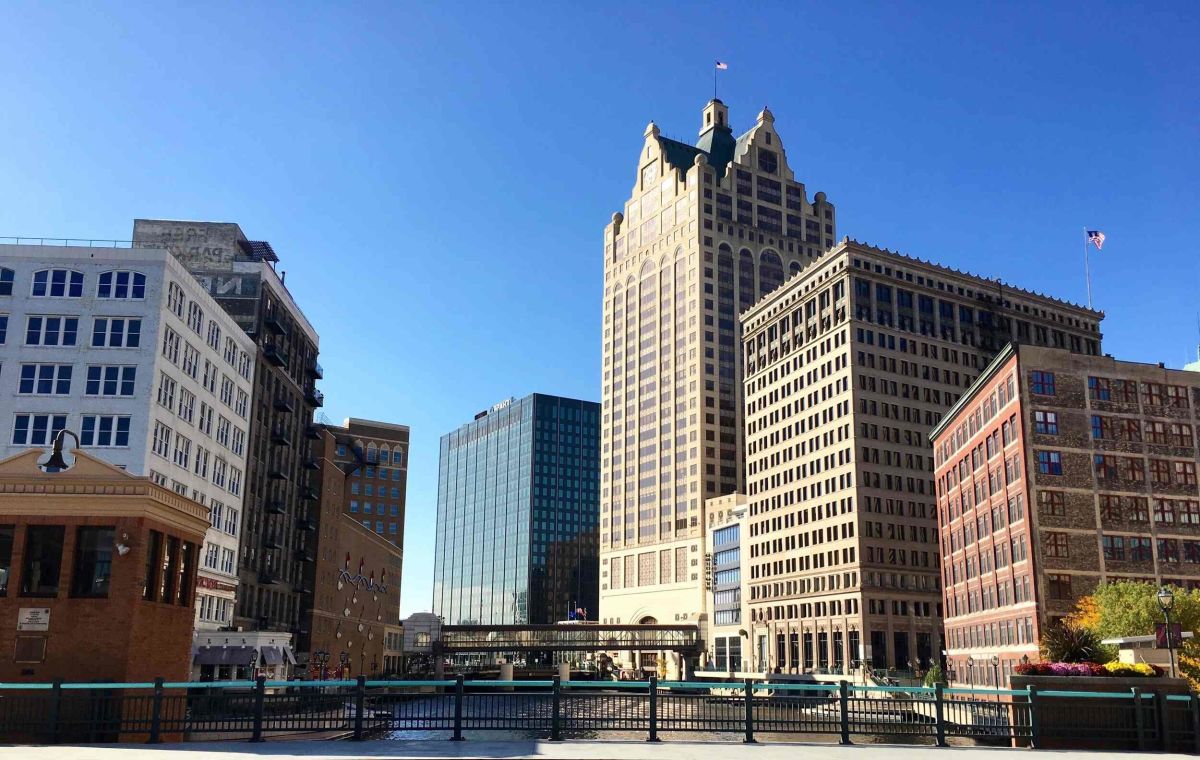
Walking in Milwaukee is easiest downtown, along the Milwaukee RiverWalk, near the lakefront, and inside neighborhood main streets such as Brady Street, Downer Avenue, North Avenue, Kinnickinnic Avenue, and the Wauwatosa Village area. Visit Milwaukee describes the downtown as compact and walkable, and the 3-mile RiverWalk links the Beerline B area, Old World Third Street, and the Historic Third Ward. During the day, this makes solo exploring feel natural: you can move between coffee, museums, public art, restaurants, and river views without constantly arranging transport.
The more important point is choosing your walking windows. This traveler would happily walk from a downtown hotel to the Milwaukee Art Museum, Cathedral Square, the Public Market, or the lakefront in daylight and early evening when there are other people around. Late at night, I would avoid long solo walks through quiet surface parking lots, underpasses, isolated river segments, and unfamiliar residential streets. Comfortable shoes matter because blocks can feel longer near the lake wind, and winter sidewalks can be icy. For solo women, the best walking plan is short, intentional routes with a ride ready if a street suddenly feels empty.
Opening Hours
Milwaukee runs on a Midwest rhythm: coffee and breakfast places start early, museums and shops are mostly daytime to early evening, restaurants carry the evening, and bars can run much later in nightlife districts. The Milwaukee Public Market, lakefront attractions, boutiques in the Third Ward, and museums usually need a daytime plan, so this is not a city where you can leave all sightseeing until late. In winter, earlier sunsets also change how comfortable a solo walk feels, even when the clock says it is only late afternoon.
Restaurants in visitor areas often serve dinner from around 5 p.m., while breweries and pubs may be livelier after work and on weekends. Brady Street, Walker's Point, Water Street, and parts of the East Side are the places where later nightlife is most visible, but those same districts can shift from friendly to rowdy as the night gets old. Check exact hours before crossing town because Monday closures and seasonal schedules are common. A good solo strategy is to book dinner on the earlier side, sit at the bar or counter if you like conversation, and have your ride home planned before the late-night crowd thins out.
Restaurants
Milwaukee is excellent for solo dining because its food culture is casual, bar-friendly, and neighborhood-driven. A woman eating alone can be comfortable at counters, brewery taprooms, hotel restaurants, cafes, and public-market stalls without feeling conspicuous. The Milwaukee Public Market is especially useful because you can graze, sit where you like, and leave when you are done. Brady Street brings Glorioso's Italian Market, Casablanca, Nomad World Pub, HiHat Lounge, The Diplomat, Dorsia, and other places that work for a low-pressure solo meal.
Local food identity leans toward beer, cheese curds, Friday fish fry, frozen custard, sausage, lake perch, and increasingly strong global restaurants. For a safer evening, choose restaurants on active streets rather than isolated destinations with empty parking lots. Sit at the bar if you want a bartender's eyes nearby and a natural way to ask about the block, taxis, or whether a walk is sensible. Tipping follows US norms, usually 18 to 22 percent for table service. Reservations are useful on weekends, especially in the Third Ward, Bay View, Walker's Point, and popular East Side spots. Solo dining here can feel easy, but do not leave drinks unattended in busy nightlife settings.
Haggling
Milwaukee is not a haggling city. Prices in shops, boutiques, restaurants, bars, museums, hotels, taxis, and markets are fixed, and bargaining over normal purchases will read as awkward rather than savvy. This matters for solo women because clear posted pricing is one of the things that makes the city easy: you can step into a cafe, vintage shop, public market stall, or rideshare without needing to negotiate with a stranger. Sales tax and tipping are the main extras to remember.
There are a few soft exceptions. At flea markets, vintage fairs, art markets, or festival vendor booths, a polite question about a discount for multiple items can be acceptable, but it should be friendly and brief. Do not haggle over food service, bartenders, hotel rates at the desk, or taxi fares. Use official apps for parking, rideshares, and transit where possible so the cost is visible. If someone on the street offers an unofficial ride, ticket, or deal, decline and keep moving. The safest money habit in Milwaukee is boring: pay through normal channels, keep cards secure, carry a small amount of cash for tips or markets, and avoid flashing a full wallet late at night.
Hospitals
For emergencies in Milwaukee, dial 911. The Milwaukee Police Department also lists 414-933-4444 for crime tips and non-emergency police contact, 414-286-CITY for city service issues, 988 for mental-health crisis support, and 211 for social services. Milwaukee ER & Hospital describes itself as open 24 hours a day, 7 days a week, with adult and pediatric emergency care, imaging, laboratory services, and board-certified emergency physicians. Major health systems in the metro area also include Froedtert, Aurora, Ascension, and Children's Wisconsin.
A solo traveler should save her hotel address, nearest cross streets, and emergency contacts before going out. US healthcare can be expensive, so travel insurance is sensible even for domestic travelers if your normal coverage is limited. If something feels urgent, do not try to price-shop from the sidewalk. Call 911 or go to the nearest emergency department. For less urgent issues, hotel staff can usually point you to urgent care clinics or pharmacies. Pharmacies are common, but late-night pharmacy access is not as dense as in some larger cities. Carry any prescription medication with the original label, and keep a photo of your insurance card and passport or ID separate from the physical copy.
Drinking Water
Milwaukee tap water is generally treated municipal water and is widely used by residents, hotels, restaurants, and cafes. For a solo traveler, the practical move is to carry a refillable bottle, especially in summer festivals, lakefront walks, and long museum days. Restaurants will normally bring tap water if you ask, and there is no cultural expectation that you must order bottled water. If your hotel is in an older building and you are sensitive about taste, a filtered bottle is an easy fix.
The bigger water issue is weather. Lake Michigan can make the air feel cooler than the forecast, while summer festivals can still be hot and dehydrating. If you are drinking beer or cocktails, alternate with water, particularly in brewery districts where pours can be stronger than expected. In winter, indoor heating can dry you out and icy sidewalks make impairment more dangerous. Milwaukee is not a destination where travelers usually worry about waterborne illness, but common sense still applies: use sealed bottled water if an advisory is posted, ask hotel staff about any temporary local notice, and keep water with you when moving between neighborhoods.
Alcohol Laws
Wisconsin's drinking age is 21, and Milwaukee checks IDs in bars, breweries, clubs, and many restaurants. Carry government-issued photo ID if you plan to drink, even if you are well over 21. Milwaukee's beer culture is part of the city's identity, with breweries, beer gardens, taverns, and festival drinking woven into social life. That can be fun for a solo woman, but it also means you should be deliberate about pace and setting.
Public intoxication draws the wrong kind of attention, and open-container rules vary by location and event. Do not assume you can walk around with alcohol unless a festival or venue clearly allows it. In bars on Brady Street, Water Street, the East Side, Walker's Point, and Bay View, keep your drink in sight, close your tab before you are too tired, and avoid accepting rides from people you just met. Bartenders are usually a good first point of help if someone is bothering you. Rideshare prices can rise at closing time, so booking a little earlier is often worth it. Milwaukee nightlife is friendly, but the safest solo version is social, paced, and exit-aware.
Greetings
Milwaukee greetings are informal and Midwestern. A smile, hello, thanks, or quick small-talk exchange is normal, especially in cafes, breweries, hotel lobbies, markets, and neighborhood shops. This seasoned traveler would not overthink etiquette here. Direct eye contact is fine, casual clothes are normal, and friendliness is usually read positively. People may ask where you are visiting from, recommend a fish fry, or talk about weather and sports before getting to the point.
For solo women, the useful boundary is warmth without over-disclosure. You can be friendly without saying exactly where you are staying, that you are alone all weekend, or what your next stop is. If a conversation in a bar starts to feel too sticky, a simple I am meeting someone soon or I need to check in with a friend works. Milwaukee is generally less performative than coastal cities, so politeness goes a long way, but you do not owe strangers your time. In service situations, please, thank you, and a normal US tip will carry you through almost every interaction.
Punctuality
Milwaukee is relaxed but still time-conscious. Restaurant reservations, tours, museum entry windows, spa appointments, and rides to the airport should be treated seriously. If you are meeting locals, arriving within 5 to 10 minutes of the agreed time is normal, but leaving someone waiting much longer without a text is rude. Transit and traffic can be affected by weather, lakefront events, festivals, sports games, and construction, so build in buffer time.
The city's festival calendar matters. Summerfest, lakefront events, Brewers games, Bucks games, and major downtown weekends can change how long it takes to cross town or find a ride. Winter weather can also slow buses and rideshares. The smart solo plan is to keep the first appointment of the day realistic, avoid last-minute cross-city transfers after dark, and check travel times before committing to dinner in a different neighborhood. If you are taking Amtrak from the Intermodal Station to Chicago or beyond, arrive early enough to navigate luggage and platforms without rushing. Calm timing is a safety tool: when you are not hurrying, you make better decisions.
Meeting People
Milwaukee can be surprisingly sociable for solo travelers because much of its public life happens in approachable settings: cafes, breweries, beer gardens, markets, festivals, bookshops, art events, and bar seating at restaurants. Brady Street, the East Side, Bay View, Walker's Point, Riverwest, and the Third Ward all have venues where striking up a light conversation feels natural. InterNations also lists a Milwaukee expat community, and Meetup-style events, run clubs, museum events, and coworking spaces can help longer-stay visitors find structured social time.
The safest way to meet people is in public, staffed places with easy exits. Choose daytime tours, food events, gallery nights, trivia, classes, and small concerts over private invitations from strangers. If you meet someone at a bar, keep the next stop public and tell a friend where you are going. Milwaukee locals are often proud of their neighborhoods and happy to give recommendations, but you should still avoid sharing your hotel room number, exact solo itinerary, or whether your room is empty. A good rule is to let social plans add texture to your trip, not take control of your logistics.
Practical Considerations
Milwaukee uses US dollars, standard US Type A and Type B electrical outlets, and 120V power. Cards and tap-to-pay are widely accepted, but a little cash helps for tips, small vendors, festival booths, or backup. Cell coverage is generally good in visitor districts, and hotels, cafes, libraries, and coworking spaces provide Wi-Fi. The weather is the detail that most affects a solo woman's comfort. Winters can be cold, snowy, windy, and icy. Summers are lively but can bring storms, humidity, and festival crowds.
Pack layers even in shoulder seasons because Lake Michigan changes the feel of the air quickly. In winter, traction matters more than style; choose boots that can handle ice. In summer, sunscreen and water are useful for lakefront walks and festivals. Milwaukee is car-optional if you stay downtown or on the East Side, but a car or rideshare makes neighborhood hopping easier. The I-94 East-West Interchange project is expected to create construction impacts, so drivers should check routes. For safety, keep your phone charged, use official transit and parking apps, and pick accommodation where you can return without a long empty walk.
Accommodation
The simplest solo-female accommodation choice is a central hotel in East Town, Downtown, the Historic Third Ward, or near the lakefront. Travel Lemming recommends Juneau Town, also known as East Town, for first-time visitors because it is close to museums, attractions, and other neighborhoods. The Pfister is a classic upscale option, the Kimpton Journeyman anchors the Third Ward, and the Plaza Hotel can suit travelers who want a smaller, older-feeling base near downtown. The Iron Horse is convenient for Walker's Point and Harley-Davidson Museum plans.
The East Side and Wauwatosa work well for quieter stays, but they can be more rental-focused and may require more rides. Bay View is fun if you want restaurants and nightlife away from downtown, though it is less convenient for first-time sightseeing. As a solo woman, prioritize interior corridors, recent reviews, 24-hour front desk or responsive host communication, well-lit entrances, and a location where rideshares can stop easily. Check parking arrangements if driving; isolated lots are less appealing late at night. Avoid saving money with a far-flung motel if it leaves you dependent on long rides after every dinner.