Is Las Vegas Safe for Solo Female Travelers?
united states
Las Vegas is thrilling for solo women who want shows, food, desert day trips, and a trip that never feels quiet. The caveat is real: stay central, manage alcohol carefully, and use rideshare when the glitter gives way to empty blocks.
Stats
Key Safety Tips
Why Las Vegas is perfect for solo female travelers
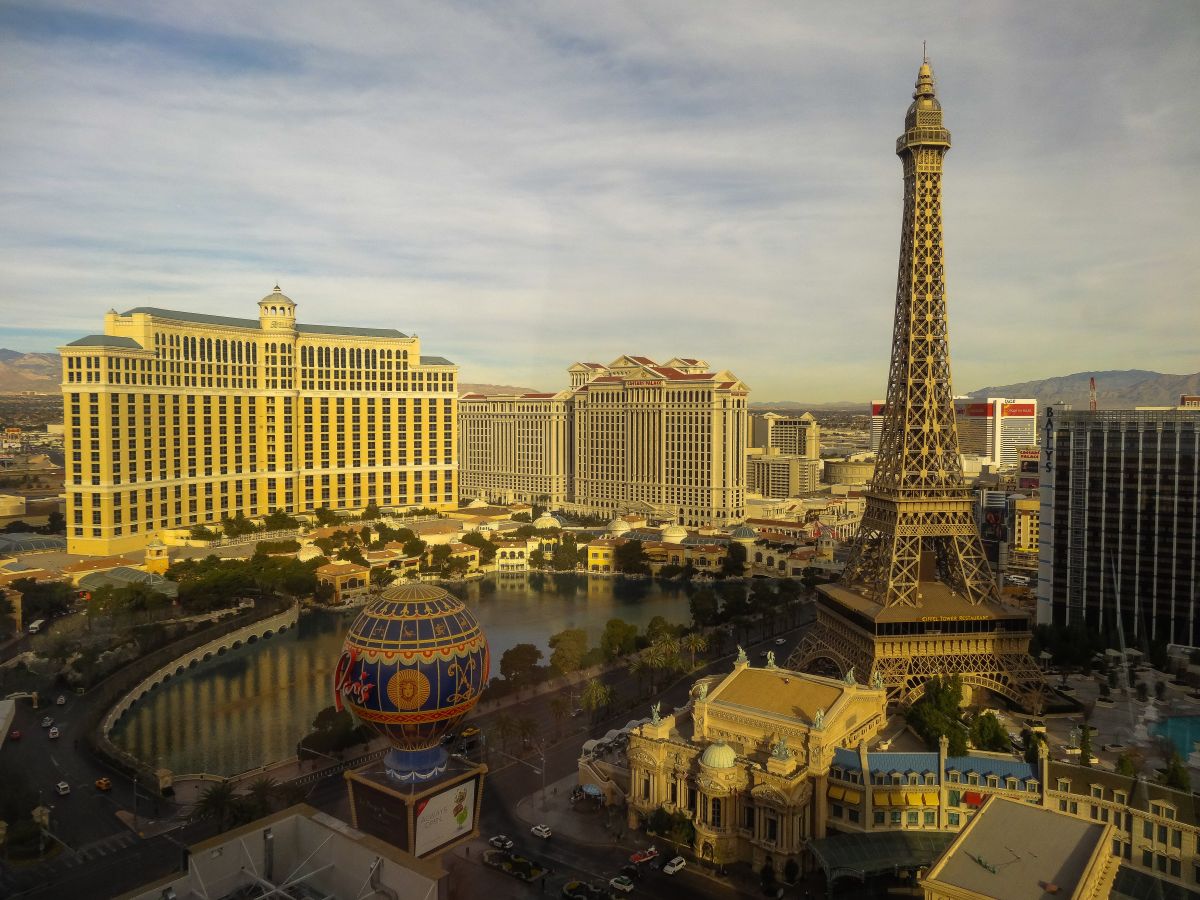
This seasoned traveler has found Las Vegas easiest when treated as a compact resort city with a few strong anchors, not as one endlessly walkable downtown. The Strip and Fremont Street give solo women the biggest advantage: crowds, hotel security, cameras, taxis, rideshares, restaurants, shows, and staff everywhere. Solo-women guides repeatedly recommend staying on the Strip for a first visit, or downtown near Fremont Street for a more local and budget-conscious base. The city can feel loud, artificial, and expensive, but it also gives a solo traveler rare freedom to build a trip around shows, spas, desert day trips, food halls, museums, and people-watching without needing a companion.
The caveat is that Las Vegas rewards sharp boundaries. Alcohol, gambling, late nights, and long hotel corridors can blur judgment faster than the city itself becomes unsafe. Many women report feeling comfortable in busy tourist zones, while also recommending taxis between districts, caution in parking garages, and avoiding quiet side streets after dark. The best solo Vegas trip uses the spectacle without surrendering to it. Stay central, spend intentionally, hydrate constantly, and treat the city like a high-energy playground where you keep your phone charged and your exit route simple.
Walking around
Walking in Las Vegas depends entirely on where you are. On the central Strip, a solo woman can usually move between major resorts, malls, restaurants, and show venues with plenty of other pedestrians around, especially from late morning through evening. Pedestrian bridges, casino interiors, and indoor shopping corridors make the Strip feel more connected than it looks on a map, but distances are deceptive. A hotel that appears next door may require a fifteen or twenty minute walk through a casino floor, a bridge, and a driveway maze. Comfortable shoes matter more than glamorous shoes during the day.
Downtown Las Vegas is walkable around the Fremont Street Experience, Fremont East, Container Park, the Mob Museum, and nearby bars. Fremont itself is pedestrianized, busy, and brightly lit, which helps solo travelers feel less isolated. The Arts District is more spread out; it is excellent by day and during First Friday or busy evenings, but several solo-women sources recommend taking a taxi or rideshare rather than walking alone between Downtown and the Arts District at night. Summer heat changes the walking calculation as well. In July and August, even a short walk can feel punishing, and indoor routes become part of the strategy. For quieter residential areas such as Summerlin, Green Valley, and Lake Las Vegas, walking is pleasant within shopping villages, trails, and resort zones, but a car or rideshare is usually needed between attractions.
Opening Hours
Las Vegas has unusually long operating hours compared with many U.S. cities, but a solo traveler should not assume everything is 24 hours. Casinos, hotel lobbies, some cafes, and certain diners run around the clock, and Strip resorts keep a steady flow of people moving late into the night. Paris Las Vegas and other resort properties function as useful 24-hour anchors, while laptop-friendly listings show places such as The MadHouse Coffee open 24 hours and PublicUs in Downtown open roughly morning to late afternoon. Many independent cafes keep standard daytime hours, often closing between 5:00 p.m. and 9:00 p.m.
Restaurants vary widely. Celebrity-chef spots and popular Strip restaurants often need reservations, especially for dinner before shows. Happy hour is useful for solo diners, with many restaurants offering late afternoon discounts between roughly 3:00 p.m. and 5:00 p.m. Museums are more conventional: places such as the Neon Museum, Mob Museum, and Atomic Museum run ticketed daytime and evening schedules that should be checked before building an itinerary. Pool hours are seasonal and hotel-specific. Nightclubs open late, but that does not make them automatically comfortable for a woman alone. The smarter pattern is to book timed attractions in advance, use late-night hours for busy resort areas, and keep essential errands such as pharmacies, water runs, and transport decisions out of the 2:00 a.m. window.
Restaurants
Las Vegas is one of the easiest U.S. cities for solo dining because eating alone is normal in hotels, casino bars, food halls, cafes, and counter-service spots. The Strip has polished options inside nearly every resort, from casual food courts to restaurants by famous chefs. The Cosmopolitan, Park MGM, Caesars Palace, the Venetian, and Paris Las Vegas all have places where a solo traveler can sit at a bar, order one excellent dish, and leave without feeling exposed. Downtown and the Arts District bring a more local feel, with PublicUs, Makers & Finders, Esther's Kitchen, breweries, taco spots, and coffee shops that suit travelers who prefer neighborhoods over casino corridors.
Meal timing is a real money strategy. Solo-women budget guides recommend eating during off-peak windows, especially late afternoon happy hour, because Vegas prices can climb quickly once resort fees, tips, drinks, and show tickets pile up. Dining between 3:00 p.m. and 5:00 p.m. can be easier than fighting dinner crowds at 7:30 p.m. Reservations help at popular Strip restaurants, but a solo seat at the bar can sometimes be easier to snag. The main safety note is drink control. Watch cocktails being poured, do not leave a glass unattended, and be careful with friendly strangers who appear right after a win, a big dinner, or a nightclub conversation. Vegas hospitality is warm, but it is still a high-volume nightlife city.
Haggling
Haggling is not part of normal Las Vegas culture in hotels, restaurants, shops, taxis, museums, or casinos. Prices are posted, taxes and tips are expected, and trying to bargain in a boutique or restaurant will usually feel out of place. A solo traveler can still save money, but she does it through timing and programs rather than negotiation. Midweek hotel stays are often cheaper than weekends, same-day show booths and official hotel offers can cut entertainment costs, and casino players clubs may offer discounts or dining credits. Coupon books and hotel promotions remain part of the local tourist economy, though the value varies.
Where negotiation does appear is in informal services or situations where the price is not fixed, such as private tours, longer hired-car arrangements, or vendor markets. Even then, the safest approach is polite clarity, not hard bargaining. Ask the full price before agreeing, confirm whether taxes, tips, pickup fees, parking, or resort charges are included, and use official booking platforms when possible. Taxis in Las Vegas use regulated meters or flat airport zone rates, so do not negotiate a cash fare with an unofficial driver. For rideshare, confirm the license plate and driver profile before entering. If a price seems oddly cheap, especially for nightlife, tickets, transportation, or VIP entry, assume there may be a catch.
Hospitals
Emergency support in Las Vegas is strong by U.S. standards, especially in the tourist corridor. For police, fire, or medical emergencies, dial 911. The Southern Nevada Health District lists 911 for emergencies, and local non-emergency public-safety numbers include Las Vegas Fire and Rescue Headquarters at 702-383-2888 and Metro Police non-emergency resources through local directories. LVMPD notes that Las Vegas uses patrol units, bicycle patrols, motorcycle traffic units, homeland security resources, and air support around tourist safety. This does not mean help is instant, but it does mean the main resort and downtown zones are accustomed to visitor incidents.
For medical care, the practical solo-traveler issue is usually dehydration, heat exhaustion, food poisoning, migraine, minor injury, or alcohol-related trouble rather than a dramatic emergency. Urgent care clinics around the Strip and Sahara corridor advertise tourist care, while major hospitals in the metro area include University Medical Center, Sunrise Hospital and Medical Center, and Desert Springs Hospital. U.S. healthcare can be expensive, so travel insurance is worth having even for domestic visitors with uncertain coverage. Keep your insurance card, photo ID, hotel address, and emergency contact accessible. In extreme heat, do not wait until symptoms are severe. A solo woman who feels dizzy, confused, or unable to cool down should go inside, tell staff clearly, and call for help.
Drinking Water
Las Vegas tap water is treated and generally safe to drink, but it has a mineral taste that some visitors dislike. The bigger concern is hydration. The Mojave Desert is dry enough that sweat can evaporate before you realize how much fluid you are losing, and indoor casino air conditioning can make dehydration feel like fatigue, headache, or irritability. Carry water whenever you leave a hotel, especially for Downtown walks, outdoor outlet shopping, Red Rock Canyon, Hoover Dam trips, or pool days. Electrolytes help if you are combining heat, alcohol, and long walks.
Resort convenience stores can charge inflated prices for bottled water, so buy multipacks from CVS, Walgreens, Target, or grocery delivery when possible. Many hotels have ice machines, and some restaurants will refill a bottle if asked politely. Alcohol should not count as hydration, even when cocktails arrive with crushed ice and fruit. The safest rhythm is one glass of water between drinks, water before bed, and water again before leaving the room in the morning. For desert hikes, bring more than feels necessary and start early. Solo travelers should not rely on finding shade or a cafe once they are away from resort corridors.
Alcohol Laws
Nevada's legal drinking age is 21, and Las Vegas enforces ID checks at bars, clubs, pool parties, casino floors, and liquor stores. Bring a government-issued photo ID or passport copy plan, but expect the original to be required for age verification. Open containers are allowed in many tourist areas, including parts of the Strip and Downtown, but glass containers and drinking rules vary by zone and event. Casinos may serve complimentary drinks to gamblers, yet those drinks are not free in the broader sense: tipping is expected, and drinking while gambling can make spending harder to track.
For solo women, alcohol is the biggest safety variable in Las Vegas. The city is designed to make one more drink feel harmless. Women-on-the-road style advice is consistent: keep your drink in sight, do not accept open drinks from strangers, and do not become so impaired that you depend on strangers for navigation. Nightclubs and pool clubs may have dress codes, long lines, and high drink prices, so decide your limit before entering. Cannabis is legal for adults 21 and over in Nevada, but public consumption is restricted, and combining cannabis, alcohol, heat, and unfamiliar surroundings is a poor solo-travel formula. If you plan to drink, budget for a rideshare back and keep the hotel name saved in your phone.
Greetings
Las Vegas greetings are casual, service-oriented, and fast. Hotel staff, bartenders, servers, rideshare drivers, casino dealers, and security workers are used to visitors from everywhere, so a friendly hello, direct question, and thank you works almost anywhere. There is no elaborate local etiquette for greetings, but there is a strong expectation that you respect queues, tip service staff, and move efficiently in crowded spaces. At check-in, restaurants, taxi lines, and show entrances, patience reads better than urgency.
Solo women often get casual conversation at bars, gaming tables, cafes, and tours. It is fine to chat, but it is equally fine to end a conversation without over-explaining. A simple, "I'm going to head out, have a good night," is normal. Casino and hotel employees can be useful allies if someone is bothering you. Step toward staff, security, or a busy host stand rather than trying to handle a persistent stranger in a quiet hallway. Tipping culture matters: tip bartenders, servers, housekeeping, rideshare drivers when appropriate, valet, and anyone who helps with bags. For clubs and upscale restaurants, dress codes may be less about greetings and more about access, so check footwear and bag rules in advance.
Punctuality
Las Vegas is relaxed in mood but strict in logistics. Shows, tours, restaurant reservations, airport pickups, spa appointments, and timed museum entries often require punctuality. Arriving late to a major show can mean waiting to be seated or missing the opening entirely. For tours to Hoover Dam, Red Rock Canyon, Valley of Fire, or the Grand Canyon, pickup windows are real because operators coordinate multiple hotels. A solo traveler should plan extra time for resort size. Getting from a room to the rideshare area at Caesars Palace, MGM Grand, the Venetian, or Wynn can take much longer than expected.
Restaurant reservations usually allow a short grace period, but weekend Strip dining is competitive. If you are eating before a show, leave a bigger buffer than you would in a normal city. Traffic on Las Vegas Boulevard can crawl, and rideshare pickup zones are sometimes hidden in garages or behind hotels. Downtown is easier but can still get congested around events. For flights, Harry Reid International Airport is close to the Strip, yet security lines and rideshare demand can spike around convention departures. Solo travel feels calmer when you set departure alarms and identify pickup points before you are tired, dressed up, or carrying shopping bags.
Meeting People
Las Vegas is friendly to temporary connections. Solo travelers can meet people at hostels, bar seats, food tours, walking tours, museum events, coworking spaces, poker tables, pool areas, and day trips. Vegas411 notes several budget hostels useful for solo travelers, including Bposhtels in John S. Park, Sin City Hostel in the Gateway district, and Bungalows Hostel near Las Vegas Boulevard, with female-only dorm options at some properties. These can be social bases for younger or budget travelers, though a central hotel may feel safer and more restful for a first visit.
For lower-pressure socializing, look beyond nightclubs. The Arts District has galleries, breweries, vintage shops, First Friday events, and cafes where conversation feels more organic. Downtown's Fremont East and Container Park can be good for early evening people-watching. Coworking and laptop-friendly listings point to places such as The Coop Cowork, Work in Progress, Bloom, PublicUs, Makers & Finders, and cafes around Summerlin for women who want community without nightlife intensity. Group tours to Red Rock Canyon, Hoover Dam, Valley of Fire, or food tastings are often the easiest way to meet people while keeping structure. As always, keep first meetings public and do not move to a stranger's hotel room or car.
Practical Considerations
Las Vegas uses U.S. dollars, Type A and Type B electrical outlets, 120V power, and English as the main language. Credit cards are widely accepted, but cash is useful for tips, small casino play, and occasional vending or valet situations. The local area code is 702 or 725, and the city sits in the Pacific Time Zone. Wi-Fi is widely available in hotels, cafes, coworking spaces, and some malls, though resort Wi-Fi may be tied to fees or loyalty programs. Laptop-friendly sources list cafes and hotel lobbies with power, including PublicUs, Makers & Finders, Paris Las Vegas, Foxtail Coffee, and Sambalatte Boca Park.
Climate is the defining practical issue. Spring and fall are the most comfortable seasons. Summer is brutally hot, with daytime temperatures often above 100 F, while winter nights can be surprisingly chilly. Pack layers because casino interiors are heavily air-conditioned. Sunscreen, sunglasses, lip balm, and comfortable shoes are not optional extras. Resort fees can add a painful daily charge to hotel bills, so check total price before booking. Distances are larger than they look, and public transit is useful but slow compared with rideshare for many solo itineraries. Save offline maps, keep a portable charger, and photograph your hotel room number only if your phone is locked securely.
Accommodation
For a first solo female trip, the safest and easiest accommodation choice is usually the central Strip. A mid-Strip hotel near Bellagio, Cosmopolitan, Paris, Aria, Park MGM, Caesars Palace, or the Venetian keeps restaurants, shows, malls, and taxis close. Solo-women guides specifically recommend the Strip for first-timers because it stays busy and makes evening movement simple. Downtown around Fremont Street is the second strong option for women who want lower prices, old-Vegas energy, the Mob Museum, Neon Museum access, and a less polished atmosphere. The English Hotel in the Arts District and downtown hotels can work well if you plan to use taxis at night.
Room location matters more than many travelers expect. Huge hotels can involve long solo walks through corridors, elevator banks, garages, and casino floors. Ask for a room reasonably close to elevators but not directly beside them if noise matters. Use the deadbolt and security latch, and do not open the door to unexpected visitors. Budget hostels offer female-only dorms and social settings, but check recent reviews carefully and consider arrival time. Summerlin, Green Valley Ranch, and Lake Las Vegas are calmer bases with a resort or suburban feel, but they require more driving. They suit repeat visitors, outdoor-focused trips, or women who value quiet over immediate nightlife.