Is Key West Safe for Solo Female Travelers?
united states
Key West is a compact, sociable island city where solo women can walk, bike, eat well, and meet people easily. The tradeoff is nightlife, heat, scooter risk, and petty theft in crowded tourist zones, so good boundaries matter.
Stats
Key Safety Tips
Why Key West is perfect for solo female travelers
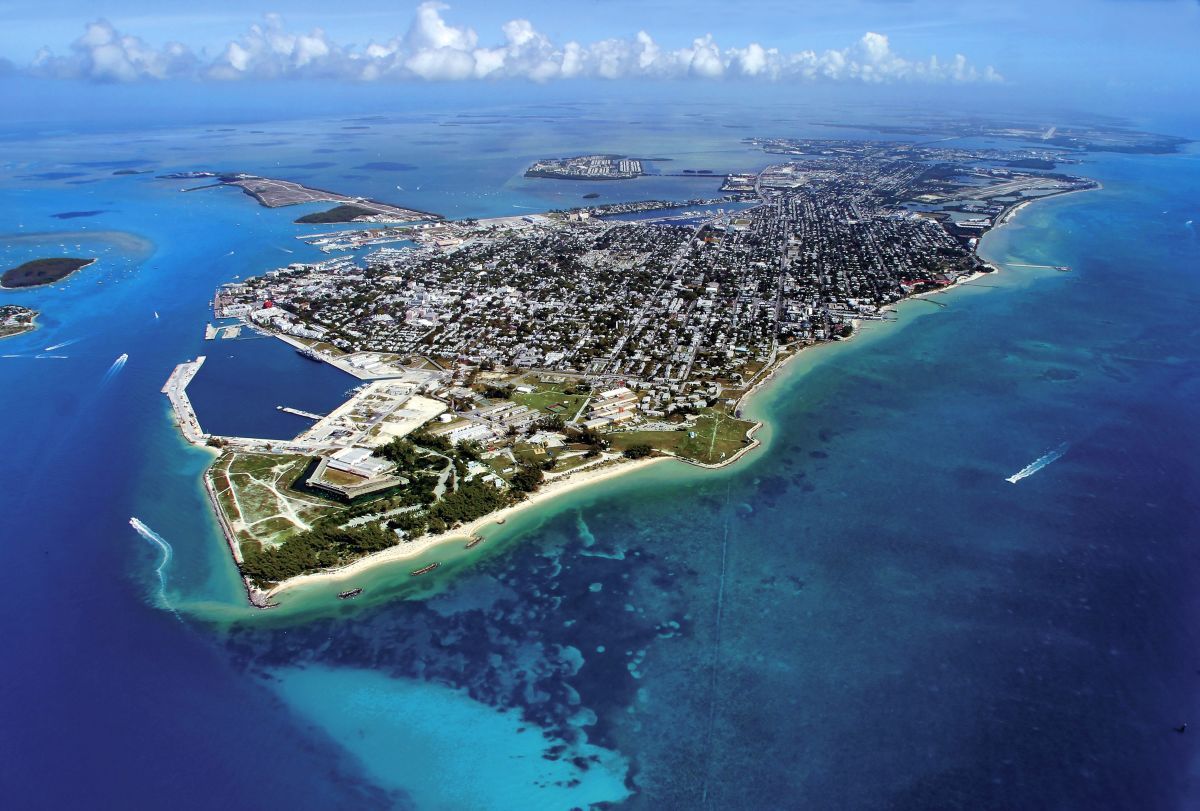
This seasoned traveler has found Key West unusually easy to settle into alone because the island is compact, social, and built around visitors who move at their own pace. The historic core is small enough to understand quickly, with Old Town, Duval Street, Mallory Square, the Historic Seaport, Bahama Village, Truman Annex, Casa Marina, and the Southernmost Point all forming a simple mental map. That matters for solo women: you can leave a museum, find dinner, catch sunset, and return to a well reviewed hotel without needing a complicated transport plan.
The appeal is not just convenience. Key West mixes literary history at the Ernest Hemingway Home, open-air evenings at Mallory Square, casual seafood counters, live music bars, coral reef trips, and slow bike rides past pastel cottages. It is friendly in a way that makes solo dining and casual conversation feel normal, especially around tourist corridors where staff are used to independent travelers. The caveat is that the same nightlife that makes the island sociable also requires boundaries. Duval Street can get rowdy late, petty theft is more likely in crowds, and scooter accidents are a real visitor hazard. Key West works best when you lean into its walkable daylight rhythm, use taxis or rideshare after drinking, and choose lodging close to the places you actually plan to enjoy.
Walking around
Experience shows that walking is one of the best ways for a solo woman to experience Key West, especially in Old Town. The island is roughly two miles by four miles, and the historic area is mostly flat, visually distinctive, and full of recognizable landmarks. Whitehead Street, Simonton Street, Caroline Street, Fleming Street, Duval Street, and the streets around Mallory Square and the Historic Seaport give you an easy grid for sightseeing without a car. In daylight, the main visitor areas feel comfortable because there are steady flows of tourists, shop staff, guides, cyclists, and hotel guests.
The practical rule is to separate scenic walking from late-night wandering. A daytime stroll between the Hemingway Home, Key West Lighthouse, Southernmost Point, Bahama Village, and the Seaport is part of the city’s pleasure. After dark, stick to bright, populated routes, especially near Duval Street, Mallory Square, and your hotel. Avoid quiet residential blocks if you are alone and tired, and do not let the island mood talk you into walking farther than planned after cocktails. Key West’s sidewalks can be uneven near older homes, cyclists use the same corridors, and scooters move fast around tourist traffic. Wear shoes you can actually walk in, keep your phone put away when crossing streets, and treat the heat as a walking safety issue, not just a comfort problem.
Opening Hours
Key West keeps a visitor-friendly schedule, but the rhythm changes sharply between morning attractions, sunset crowds, and nightlife. Museums, nature sites, tour desks, and beach rentals generally work best earlier in the day, when heat is lower and crowds are calmer. Sunset is the island’s daily anchor. Mallory Square gets busy before dusk, restaurants fill shortly after, and Duval Street becomes louder as the evening goes on. For a solo woman, this timing is useful: plan cultural stops and errands before sunset, book dinner before the bar rush, and leave yourself a clear route home.
Public transit has defined limits. The City of Key West Department of Transportation says local buses operate seven days a week except Thanksgiving Day, Christmas Day, and New Year’s Day, with routes beginning as early as 5:40 AM and the last route at 10:00 PM. The free Duval Loop is especially useful in the historic district, with stops around Whitehead, Simonton, Caroline, and Fleming streets and access to Duval Street, the Historic Seaport, and Southernmost Point. Alcohol sale hours are broader than many travelers expect: Florida’s 21-plus drinking age applies, and Key West bars and stores can sell alcohol from 7:00 AM to 3:00 AM. That does not mean you need to match the city’s latest hours. The safest solo rhythm is active days, early dinner, one or two intentional drinks if desired, and a planned ride back when the streets start to feel sloppy.
Restaurants
Many women report that Key West is comfortable for solo dining because casual counters, seafood restaurants, hotel bars, and patio cafes are used to one-person parties. The island’s food culture is informal: Key West pink shrimp, conch fritters, Cuban coffee, fish sandwiches, Key lime pie, and waterfront happy hours are easy to enjoy without the awkwardness some destinations attach to eating alone. Around Duval Street, the Historic Seaport, Mallory Square, and Old Town, bar seats and outdoor tables make it simple to read, people-watch, or chat with staff.
Use the same judgment you would in any nightlife-heavy destination. Pick restaurants with visible staff presence and steady foot traffic, especially if you are dining late. If you want a quieter solo dinner, look beyond the loudest Duval blocks toward Upper Duval, Truman Avenue, the Seaport before the bar rush, or hotel restaurants in Casa Marina and New Town. Prices can be higher than mainland Florida, and reservations help at sunset-facing or waterfront places. Tipping follows standard United States norms, with 18 to 20 percent common for table service when service is good. There is no need to perform extra friendliness with strangers who sit too close or ask invasive questions. Key West is chatty, but solo dining is still your meal. Keep your drink in sight, arrange transport before a late reservation, and avoid walking back through quiet streets with takeaway bags and your phone out.
Haggling
Haggling is not part of normal Key West shopping culture. This is the United States, so boutiques, galleries, tour desks, restaurants, pharmacies, bike rentals, and hotel counters expect listed prices, taxes, service charges, and tips rather than bargaining. You may see casual discounting around souvenir shops or last-minute tour availability, but a solo traveler should treat that as a polite question, not a negotiation ritual. Asking, "Do you have any current discounts?" is acceptable. Pressuring staff after they answer is not.
Where price awareness matters most is with tours, taxis, pedicabs, parking, and rentals. Pedi-cabs around the tourist corridors can charge by the minute, and costs rise quickly. Scooter rentals may look cheap but can become expensive and dangerous if you are inexperienced. Bike rentals are often better value, with local guides citing roughly weekly rental pricing around the cost of a modest dinner, though current prices vary by shop and season. Taxis should be licensed, and rideshare apps give you route and fare visibility. For excursions like Dry Tortugas trips, snorkeling, sunset sails, and food tours, book through established operators and read cancellation rules before paying. If someone approaches you on the street with an unclear deal, treat it as a reason to pause. Your strongest bargaining tool in Key West is not haggling. It is walking away, comparing online reviews, and choosing vendors with clear prices.
Hospitals
Emergency planning in Key West is straightforward but important because the island is remote by road and weather can complicate movement. For immediate police, fire, or medical help, call 911. Keep your hotel address saved in your phone, because in an emergency it is easier to read an exact location than describe a guesthouse near a landmark. Lower Keys Medical Center on Stock Island is the main hospital serving the area, and travelers may also use urgent care clinics or hotel-recommended medical services for less severe problems. If you are traveling from outside the United States, assume healthcare will be expensive without appropriate travel insurance.
The most realistic medical risks for solo travelers are heat illness, dehydration, alcohol-related accidents, scooter or bike crashes, cuts from marine activities, and sunburn that becomes severe enough to ruin a trip. The safety research for Key West repeatedly emphasizes staying hydrated, protecting yourself from the sun, using reliable transport, and avoiding risky late-night decisions after drinking. If you plan snorkeling, boating, or Dry Tortugas excursions, tell the operator about relevant medical issues and listen to weather or water condition warnings. Hurricane season and tropical storms are not abstract in the Keys. Sign up for Alert Monroe or monitor local emergency notices during storm season, and do not ignore evacuation instructions because a hotel room is prepaid.
Drinking Water
Tap water in Key West is generally treated as safe to drink, but the climate makes hydration more urgent than many first-time visitors expect. The city is hot, humid, windy near the water, and easy to explore on foot or by bike, which means you can become dehydrated while feeling like you are simply strolling between attractions. This seasoned traveler would carry a reusable bottle, refill at the hotel, and drink water before joining a sunset crowd, not only after symptoms start. If the taste bothers you, bottled or filtered water is easy to find at pharmacies, groceries, cafes, and hotels.
Hydration is also a personal safety tool. Many problems in Key West are not caused by the destination being unsafe, but by the combination of sun, alcohol, late nights, and overconfidence. Alternate every alcoholic drink with water, especially on Duval Street or during boat days. Bring water on bike rides, beach visits, cemetery walks, and trips to the Southernmost Point, where shade can be limited and lines move slowly. If a storm or hurricane warning is active, buy water early rather than waiting until shelves are crowded. On excursions, confirm whether water is provided and bring extra if allowed. Feeling steady, alert, and oriented is part of moving through Key West as a solo woman with confidence.
Alcohol Laws
Key West has a famous drinking scene, but the legal basics are standard Florida rules. You must be 21 or older to buy, possess, or consume alcohol, and bars or stores may ask for a passport, driver’s license, or government-issued ID. Local alcohol sale hours are commonly cited as 7:00 AM to 3:00 AM, with restrictions on some holidays. Driving under the influence is treated seriously, with a 0.08 percent BAC limit for adults and zero tolerance for drivers under 21. For a solo traveler, the safest assumption is simple: do not drink and drive, do not accept drinks you did not see prepared, and do not let a stranger become your transport plan.
The island’s nightlife can be fun precisely because it is concentrated. Duval Street, Mallory Square, the Seaport, and live music bars make it easy to meet other travelers, but crowding also raises pickpocket risk and lowers your ability to read situations. Decide your limit before the night starts. Keep your drink in your hand or in direct view. Use Uber, Lyft, a licensed taxi, the Duval Loop when it fits the timing, or a short well-lit walk with people around. Key West is relaxed, not consequence-free. A good night out here is one where you remember the music, get home without drama, and wake up ready for the water.
Greetings
Greetings in Key West are casual, friendly, and informal. A smile, a hello, or a quick "how are you" is normal in shops, restaurants, tour desks, guesthouses, and bars. The island has a long mix of Bahamian, Cuban, maritime, military, literary, LGBTQ, and tourism influences, so the social style is open but not formal. You do not need special etiquette beyond being warm, patient, and respectful. Staff are used to visitors, but they are not props in a vacation scene. Say please and thank you, tip appropriately, and avoid blocking sidewalks or shop entrances while taking photos.
For solo women, Key West’s friendliness can be both useful and tiring. It is easy to ask directions, chat at a bar seat, join a tour, or meet people during a sunset sail. It is also acceptable to keep conversations short. A simple "I am having a quiet night" or "I am meeting someone soon" is enough if a stranger pushes past your comfort level. Dress is resort casual almost everywhere, with beachwear fine near beaches but not ideal in nicer dining rooms. The city is LGBTQ-friendly and used to expressive style, especially around events, but public drunkenness and disrespectful behavior still stand out. Match the island’s ease without dropping your own boundaries.
Punctuality
Key West runs on island energy, but punctuality still matters for anything with a boat, tour, ferry, airport transfer, restaurant reservation, or timed museum entry. Dry Tortugas trips, snorkeling boats, sunset sails, food tours, and trolley schedules will not wait because you underestimated parking or got stuck behind slow tourist traffic. This seasoned traveler treats tour mornings seriously: confirm the meeting point the night before, check whether it is walkable from your lodging, and leave early enough for heat, crowds, and wrong turns.
For casual social plans, the island is more relaxed. Restaurants may run behind during peak season, bars get crowded around sunset, and weather can change schedules quickly. If you are meeting a guide, group, or another traveler, communicate clearly and do not leave yourself dependent on someone you barely know for the ride back. Airport timing deserves respect too. Key West International Airport is close to town, but small airports can still become stressful when weather, rental car returns, or holiday crowds stack up. For buses, remember that the regular city system has defined operating hours and the Duval Loop has its own frequency. Missing the last convenient option may mean a taxi or rideshare. Being punctual in Key West is less about formality and more about preserving your freedom to choose what happens next.
Meeting People
Key West is one of the easier Florida destinations for meeting people as a solo traveler because so much of the visitor experience is shared in public spaces. Sunset at Mallory Square, group snorkel trips, food tours, ghost tours, Hemingway Home tours, live music bars, bike rentals, and cafe counters create natural openings for conversation. Many women find that the island’s tourist mix makes solo travel feel normal rather than conspicuous. You can be independent without seeming unusual.
Choose settings that give you structure. A walking tour or boat trip is better than a random late-night invitation because there are staff, schedules, and other participants. If you want nightlife, start earlier in the evening, sit where bartenders can see you, and keep your transport plan independent. Duval Street can be lively and fun, but it is also where alcohol, crowds, and petty theft risk converge. For calmer social energy, try daytime museums, the Key West Butterfly and Nature Conservatory, coffee shops, gallery walks, the Historic Seaport before peak bar hours, or hotel pools with visible staff. Share plans with a trusted contact if you join new acquaintances for an activity, and do not move to a second location just because a group seems friendly. The best Key West social experiences feel easy, public, and optional.
Practical Considerations
Key West is in the United States, using the US dollar, 120V electricity with Type A and B plugs, English as the main language, and standard American tipping customs. Cell service and Wi-Fi are generally easy around hotels, cafes, and tourist areas, though boat trips and remote excursions can be patchier. The climate is tropical and humid. Climate data places the city around latitude 24.56 and longitude -81.76, with winter highs in the mid 70s Fahrenheit and summer highs near the upper 80s. Rain is more common in the warmer months, and hurricane season should be taken seriously, especially from late summer into fall.
Pack for heat, sun, sudden rain, and walking. A hat, reef-safe sunscreen, sunglasses, water bottle, light layers for air conditioning, and shoes with traction will do more for your trip than extra dressy clothes. Parking is difficult in Old Town, and a car can be more burden than benefit if you are staying near the historic district. If you are in New Town, transport planning matters more because distances feel longer in heat. Key West is expensive compared with many mainland beach towns, so budget for higher lodging, food, and tour prices. Travel insurance is smart for hurricane season, medical costs, and prepaid boat trips. Keep ID with you if you plan to enter bars, but store passport backups securely.
Accommodation
Accommodation choice is one of the biggest safety decisions for a solo woman in Key West. The best location depends on the trip you want. Old Town is the most convenient for walking to Duval Street, the Hemingway Home, Mallory Square, the Historic Seaport, galleries, restaurants, and many tours. Truman Annex feels quieter and more polished while still close to the historic core. Casa Marina and the southern beach side suit travelers who want resort amenities and ocean access. New Town can be more practical for larger hotels, parking, and airport proximity, but it usually requires more taxis, rideshare, hotel shuttles, bikes, or buses for nightlife and sightseeing.
Prioritize established hotels, guesthouses, and reputable bed and breakfasts with strong recent reviews from solo travelers. Look for 24-hour or reliable front desk support, secure room access, well-lit entrances, and a location that does not force you through deserted streets at night. Budget lodging in Key West is limited, and the cheapest option may be cheap because it is inconvenient rather than unsafe. TravelAwaits names Truman Hotel, Havana Cabana, and The Laureate among more affordable Key West hotel options compared with the wider market, though prices change by season. If you plan to drink or stay out late, pay extra to be close to your evening area. Saving money on a remote room can disappear quickly in late-night rides.