Is Indianapolis Safe for Solo Female Travelers?
united states
Indianapolis is one of the easier Midwestern capitals for a solo woman to navigate: friendly, district-based, and full of art, food, and sports, as long as you plan around the car-heavy gaps between its best neighborhoods.
Stats
Key Safety Tips
Why Indianapolis is perfect for solo female travelers
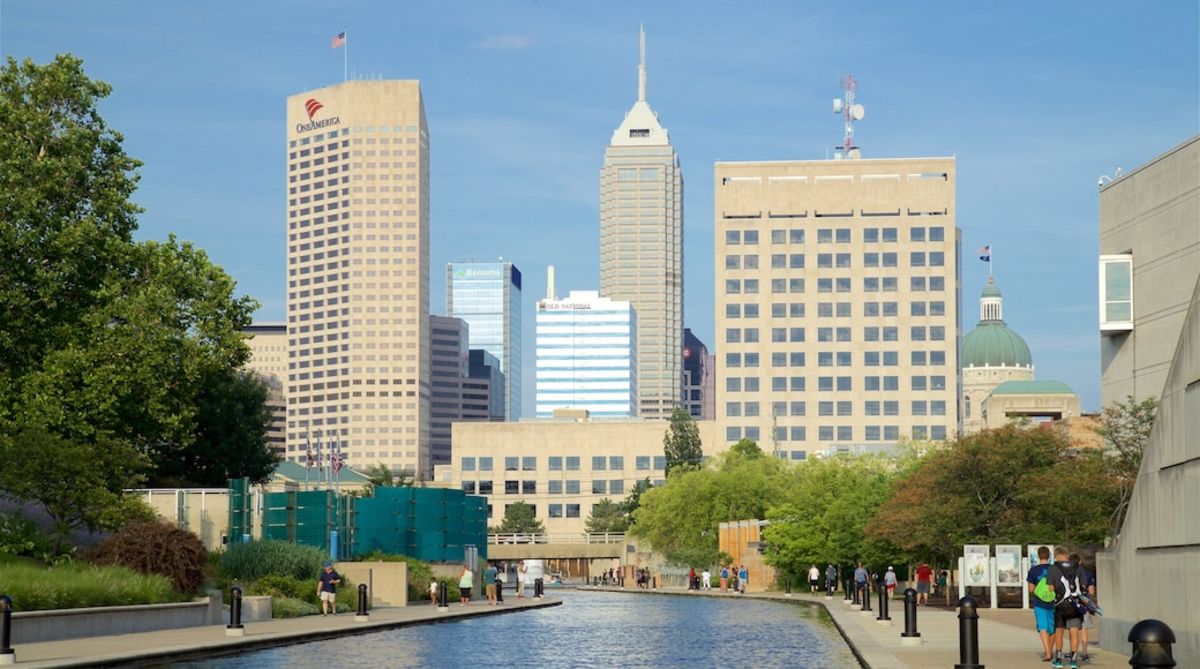
Indianapolis works well for a solo woman when you treat it as a cluster of friendly, easy-to-read districts rather than one endless city grid. The strongest parts of town are practical: downtown hotels sit close to Monument Circle, the Wholesale District, Mass Ave, White River State Park, and major sports and arts venues, while Broad Ripple, Fountain Square, Fletcher Place, and Irvington each offer a different personality without feeling impossibly far away. For a first solo trip, that mix matters. You can build a full day around museums, coffee, a walk or bike ride on the Cultural Trail, and dinner or a show without constantly negotiating complicated logistics.
The city also has a low-pressure social style. Hoosier friendliness is real, and women dining alone, browsing alone, or catching a game alone do not stand out. Staff in cafes, hotels, museums, and bars are generally direct and helpful rather than pushy. That makes Indianapolis easier than many larger cities where solo travelers feel anonymous in a bad way.
The tradeoff is that Indianapolis is not uniformly walkable. The best experience comes from staying in central districts and using rideshare or IndyGo to bridge gaps after dark. Do that, and the city feels welcoming, cultural, and much easier to navigate than its size suggests.
Walking around
Walking in Indianapolis depends almost entirely on neighborhood choice. The best pedestrian zones are the downtown core, the Wholesale District, Mass Ave, Chatham Arch, Fountain Square, Fletcher Place, and portions of Broad Ripple and Irvington. The Indianapolis Cultural Trail is the city's biggest gift to a solo traveler: an eight-mile protected urban trail that connects downtown to major cultural districts and makes it possible to walk or bike between museums, cafes, public art, and nightlife with less traffic stress than the street map suggests.
Mass Ave is about a twenty-minute walk from the heart of downtown and feels active thanks to galleries, restaurants, Bottleworks, and theater traffic. Fountain Square and Fletcher Place are close enough to downtown for an intentional walk in daylight, especially along Virginia Avenue. Broad Ripple is genuinely walkable once you are there, with the Monon Trail acting as the neighborhood spine, but it sits roughly six miles north of downtown, so most solo visitors will want transit or rideshare to reach it.
After dark, stay on the bright, busy blocks. Monument Circle, major hotel corridors, Mass Ave, and the main commercial strips in Fountain Square and Broad Ripple are the easiest night walks. Avoid long, empty stretches between districts and do not treat every residential block as equally comfortable just because it looked close on a map.
Opening Hours
Indianapolis keeps fairly standard Midwestern city hours, but the exact rhythm changes by district. In central neighborhoods, coffee shops often open between 7:00 and 8:00 a.m., museums and attractions usually begin around 10:00 a.m., and many independent shops close between 6:00 and 8:00 p.m. Downtown restaurants generally roll from lunch into dinner service, while bars and music venues stay active much later on weekends. Grocery and pharmacy access is easy, and central locations are usually open early and late enough for a solo traveler dealing with event schedules or odd arrival times.
The biggest practical point is to plan around event calendars. On Colts, Pacers, Fever, and convention nights, the downtown core stays lively later than usual and reservations fill faster. In quieter periods, some districts can wind down earlier than visitors expect, especially on Sundays and Mondays. Museum-heavy itineraries also need a little discipline because several cultural institutions keep shorter weekday hours than restaurants and bars do.
If you want the smoothest day, use mornings for museums and neighborhood wandering, afternoons for the Cultural Trail or Canal Walk, and evenings for a single nightlife district rather than bouncing around the whole city. Indianapolis rewards that kind of pacing.
Restaurants
Indianapolis is an easy solo dining city because many of its best meals happen in compact, social districts where bar seating and casual counter service feel normal. Mass Ave is one of the best all-around food neighborhoods, with options ranging from coffee and pastries to cocktail bars and more polished dinner rooms. Bottleworks at the north end of Mass Ave gives you a reliable cluster of restaurants and market-style energy, which is ideal when you want variety without overcommitting.
Downtown and the Wholesale District cover the classic Indianapolis experience. St. Elmo Steak House is the famous old-school name, and it still works for a solo traveler if you are happy sitting at the bar and leaning into the city ritual. Fletcher Place and Fountain Square feel more current and neighborhood-driven. Bluebeard remains one of the most dependable picks for a thoughtful dinner, while the Virginia Avenue corridor makes it easy to turn one meal into a full evening with coffee, music, or a nightcap.
Broad Ripple is best when you want a more casual night of brewery hopping, tacos, brunch, or patio dining. Irvington is quieter and more community-oriented, which suits a slower afternoon. Tipping follows normal U.S. expectations, around 18 to 20 percent for sit-down service. Dining alone is completely normal here, especially in the districts that attract theatergoers and sports crowds.
Haggling
Indianapolis is a fixed-price city. In restaurants, bars, museums, boutiques, pharmacies, and normal retail, prices are what they are, and trying to negotiate will come across as confusion rather than skill. This is standard U.S. practice, and Indianapolis follows it closely.
The only places where you may see a little flexibility are antique malls, flea markets, vintage stores, estate-sale style shops, or occasional market vendors. Even there, the tone should stay light. Asking whether there is a cash discount, a bundle price, or any flexibility on a larger purchase can be fine. Aggressive bargaining is not part of the local culture and will usually feel awkward.
For solo women, the more useful financial habit is simply to confirm totals and tipping. Indiana sales tax gets added at checkout, so the final price will be higher than the sticker. In bars and restaurants, be clear about whether you are starting a tab or closing out after each drink. Indianapolis is straightforward financially, which is one of the reasons it feels easy to navigate once you stop expecting market-style negotiation.
Hospitals
Indianapolis has strong medical infrastructure, which is reassuring for solo travelers. For emergencies, call 911. In the central city, Eskenazi Health, IU Health Methodist Hospital, Riley Hospital for Children at IU Health, and IU Health University Hospital form one of the strongest medical clusters in the state. Eskenazi is especially relevant for visitors because it sits close to downtown. Methodist and University Hospital are a short drive north of the core and handle a wide range of emergency and specialty needs.
If you are staying east of downtown or exploring farther out, Community Hospital East is another major option. Urgent care is widely available for issues that do not justify an emergency room, and that is often the smarter financial move in the United States. Without insurance, urgent care visits can still run into the low hundreds of dollars, while emergency room care can become expensive quickly.
The main solo-travel habit here is practical: save your accommodation address, keep a charged phone, and know the name of the nearest major hospital to your hotel. Indianapolis is not difficult to get help in, but in a stressful moment you want fewer decisions. If you have travel insurance, keep the digital card easy to access.
Drinking Water
Indianapolis tap water is generally safe to drink. Citizens Energy Group publishes annual drinking water reports and states that it measures compliance through analysis of more than 11,000 samples across its systems. In normal hotels, restaurants, and newer rentals, ordering or filling up with tap water is routine and not something most locals think twice about.
The more nuanced issue is old infrastructure. Citizens also warns residents about lead exposure risks that can come from privately owned service lines or older in-home plumbing, even when the distribution system water arrives lead-free. That matters mainly in older houses and apartments rather than standard hotels. If you are staying in an older short-term rental and want to be cautious, let the cold tap run briefly before drinking and avoid using hot tap water for cooking or tea.
For everyday travel, the real priority is hydration. Indianapolis gets humid and sticky in summer, and convention days, festival days, or long walks on the Cultural Trail can wear you down faster than the city looks like it should. Carry a refillable bottle and treat water as part of your planning, especially from late spring through early fall.
Alcohol Laws
Indiana follows standard U.S. rules on age: you must be 21 to purchase or consume alcohol, and venues are serious about checking ID. If you look remotely young, expect to be carded. Carry your passport or U.S. photo ID if you plan to drink. Indianapolis bars, breweries, and restaurants are used to visitors and will check quickly and routinely.
Indiana loosened some older alcohol restrictions in recent years, including the old happy hour ban, so drink specials are no longer unusual. The city has an active brewery and cocktail scene, especially on Mass Ave, in Fountain Square, in Fletcher Place, in Broad Ripple, and around downtown hotels. The practical issue for travelers is timing and venue policy. Carryout alcohol and Sunday shopping can still feel more regulated than visitors expect, and individual venue rules matter.
For a solo woman, the smartest approach is not legalistic but behavioral: keep your drink with you, accept drinks only from staff, and assume alcohol should stay inside the licensed footprint unless the venue or event clearly says otherwise. Indianapolis nightlife is usually manageable rather than chaotic, but sports weekends and festival nights can change the energy fast.
Greetings
Indianapolis greeting culture is friendly, low-key, and unmistakably Midwestern. People tend to say hello, hold doors, make small talk with baristas and bartenders, and ask where you are visiting from without making it feel invasive. A warm but simple style works best. You do not need formality, but you do benefit from basic politeness and a willingness to return a quick smile.
This is also a city that loves conversational shortcuts. Sports, weather, neighborhood recommendations, and traffic are all safe small-talk territory. If you are downtown during a game or convention, asking a local server what is happening nearby can yield genuinely useful advice. Women traveling alone are not expected to perform any special role here. Casual dress is standard in most situations, and there are no meaningful gender-specific customs a visitor needs to memorize.
The only cultural adjustment for some travelers is how approachable people can be. Compared with more reserved cities, Indianapolis can feel a little chatty. Most of the time that is a benefit. If you want a quieter interaction, a polite answer and a quick pivot work perfectly well.
Punctuality
Indianapolis runs on clear Midwestern punctuality. For business meetings, tours, restaurant reservations, timed museum entries, and ticketed events, being on time matters. If you have theater tickets, a Pacers or Colts game, or a reservation before a concert, build in buffer rather than assuming you can glide through downtown at the last minute. Event traffic can make a simple drive or rideshare take much longer than expected.
Socially, the city is a little more relaxed, but not dramatically so. Showing up five or ten minutes late for a casual meetup is usually fine, yet anything beyond that starts to feel careless unless you send a message. The useful solo-travel translation is simple: keep your own schedule tighter at night than you would during the day. If you leave one district too late, you end up choosing between an uncomfortable walk, surge-priced rideshare, or rushing into a venue already tired.
Indianapolis is easy when you are slightly early. It is less charming when you are hurrying between neighborhoods after dark.
Meeting People
Indianapolis is one of those cities where meeting people works best through place rather than through grand nightlife strategy. Mass Ave, Bottleworks, Fountain Square, Broad Ripple, and the downtown hotel bar circuit all create easy low-pressure contact points. Sit at a bar instead of a table, linger in a coffee shop with community seating, or catch a pre-game crowd and conversation often starts on its own.
The city also has solid activity-based social infrastructure. Group bike rides and walking routes along the Cultural Trail and Monon Trail are common. First Friday art events, comedy shows, indie film screenings, brewery trivia, and neighborhood markets give you a reason to be somewhere without the awkwardness of trying to invent a social moment from scratch. The Kan-Kan area, Bottleworks, and Fountain Square are especially good for that style of solo evening.
For remote workers and women looking for more structured community, downtown coworking and event spaces such as Maven Space or CoSpace Indy can be useful anchors. Indianapolis is not hyper-flirtatious or performative. It is better at steady, normal connection than flashy social scenes, which many solo female travelers end up preferring.
Practical Considerations
Indianapolis uses the U.S. dollar, standard 120V Type A and B plugs, and widely available card payments. Apple Pay and tap-to-pay are common, but carrying one physical card is still wise for parking garages, smaller bars, or older point-of-sale systems. Tipping is standard across hospitality. Plan for 18 to 20 percent at restaurants, a dollar or two per drink at bars, and something small for hotel housekeeping.
Weather matters more here than many first-timers expect. Summers are humid, with thunderstorms that can roll in fast. Winters are cold, windy, and occasionally icy. Spring and fall are the sweet spots, though spring can bring sudden rain and allergy spikes. If you are visiting around the Indy 500, major conventions, or playoff sports dates, expect higher hotel prices and more packed restaurants.
Wi-Fi is easy to find in hotels, cafes, libraries, and coworking spaces. Downtown is the simplest base for working while traveling because you can shift between coffee shops, public spaces, and meeting-friendly hotels without much friction. Comfortable walking shoes and a light rain layer solve more Indianapolis problems than fashionable overpacking ever will.
Accommodation
For most solo female travelers, downtown is the best first stay. The advantage is not just safety, it is decision fatigue. Downtown and the Wholesale District place you near the highest concentration of hotels, the convention center, Monument Circle, Mass Ave access, major museums, and the easiest rideshare pickup patterns. If you are in town for two or three nights, being based centrally makes the city feel coherent.
Mass Ave and Bottleworks are excellent if you want a more design-forward, restaurant-heavy stay with easy nightlife. Fountain Square and Fletcher Place can also work well for travelers who prefer a neighborhood feel over large hotels, but they are more comfortable if you are already happy navigating a city after dark. Broad Ripple is fun and social, though it is better as a district to visit than as the default base for a first trip unless your plans are heavily centered there.
Indianapolis is not a hostel-heavy city, so budget travelers often do better with business hotels, simple chains, or carefully vetted rentals in central districts rather than hunting for a big backpacker scene that largely is not there. Prioritize 24-hour front desk service, good lighting, and a walkable or easy-rideshare location over trying to save a little money in a disconnected area.