Museum District
houston, united states
Houston's Museum District gives solo women one of the city's rare genuinely walkable, culture-rich bases, with museums, Hermann Park, and the Texas Medical Center all close at hand. The tradeoff is that the neighborhood quiets down quickly after venues close, so it rewards daytime exploration and intentional nights.
Stats
Key Safety Tips
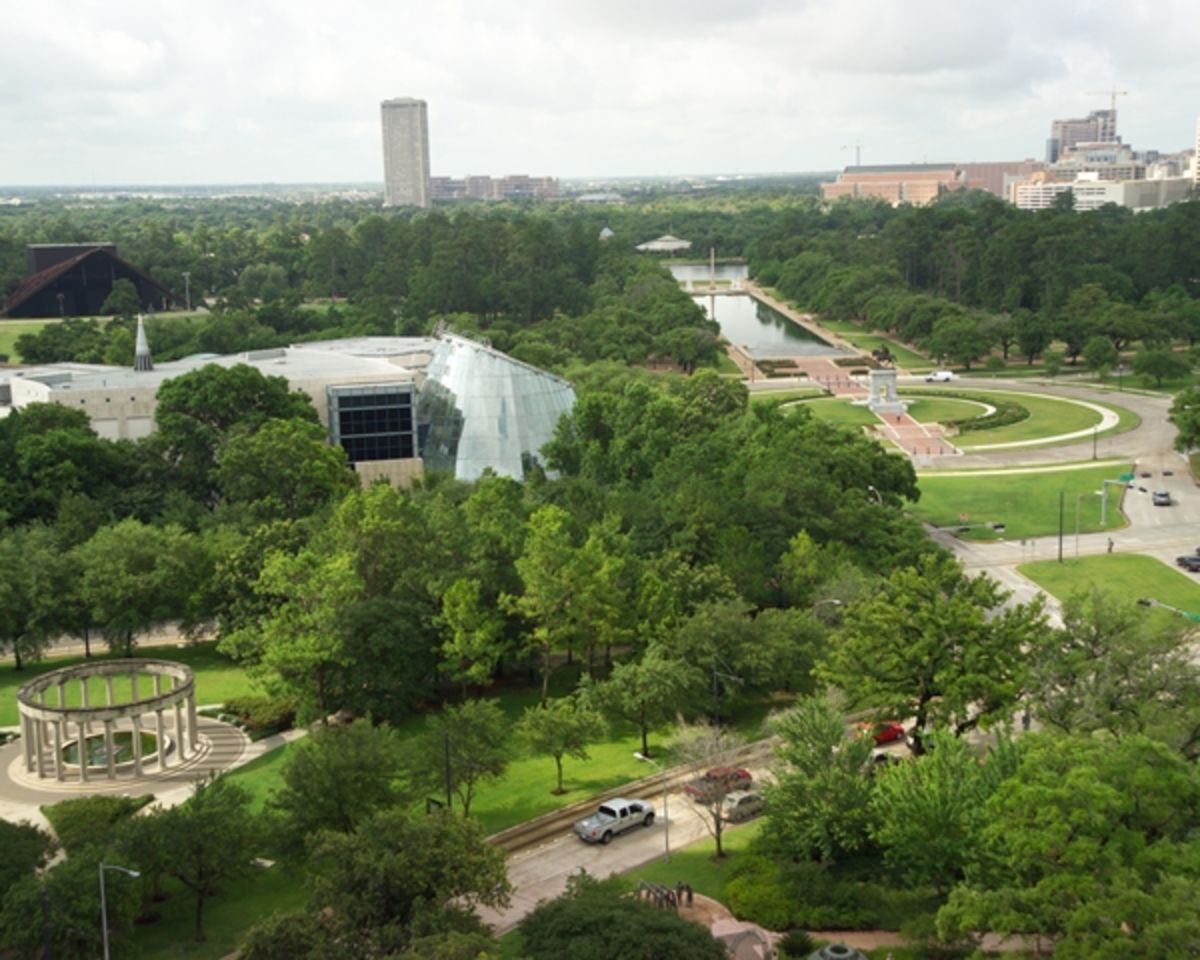
This seasoned traveler finds Houston's Museum District unusually forgiving for a city that is otherwise famous for long drives, giant roadways, and patchy sidewalks. Here, the logic is simple: a tight cluster of major museums, Hermann Park, the Houston Zoo, and the Texas Medical Center all sit within a compact area that gets steady daytime foot traffic from families, students, hospital workers, and cultural tourists. The result is one of the rare Houston neighborhoods where a solo woman can build a full day around walking from breakfast to a museum, then to the Japanese Garden, then to an early evening show without feeling stranded between destinations. Main Street, Binz, Bissonnet, and the park edges stay active enough to feel legible, which matters a lot in a spread-out city.
The draw is obvious: culture, greenery, and practical transit access in one place. The caveat is just as important. This is still Houston, which means heat, sudden storms, broad intersections, and stretches that empty out faster after museum closing time than first-time visitors expect. The neighborhood works best when I treat it as a daytime and early evening base, not as a place to wander aimlessly at midnight. Many women report feeling comfortable here because the environment is polished and public-facing, but comfort comes from staying near the main museum corridor, Hermann Park, and staffed venues rather than drifting into quiet residential blocks after dark.
Walking is one of the Museum District's strongest advantages, especially by Houston standards. Many of the area's anchors sit close together: the Museum of Fine Arts, Houston on Main Street, the Houston Museum of Natural Science by Hermann Park, the Health Museum and Children's Museum on Binz, plus the wide green paths around McGovern Lake and the Japanese Garden. Sidewalks near the museums are broad, well used, and generally easier to navigate than in many other Houston neighborhoods. I would plan a route along Main Street, Binz Street, Bissonnet Street, and the park-facing paths because those are the stretches where the neighborhood feels most intuitive and least isolating.
The main thing to watch is scale. Distances that look short on a map can feel longer in Houston heat, and large intersections around Fannin, Almeda, and Hermann Drive can slow you down. Comfortable shoes and water matter more here than they do in denser, cooler cities. I also avoid cutting through empty lots or parking areas, especially near closing time, because the emotional difference between a busy museum block and an almost-empty edge street can be stark. If I am walking alone after sunset, I stay on lit, obvious corridors and use ride-share for anything that feels like an awkward in-between distance. During the day, though, this is one of Houston's best neighborhoods for a solo traveler who wants to move on foot.
Opening hours in the Museum District reward a traveler who plans in blocks rather than improvising minute by minute. Hermann Park itself is open daily from 6 a.m. to 11 p.m., which makes it a good early-morning walk and a safe mental anchor when you are orienting yourself. McGovern Centennial Gardens operates roughly 9 a.m. to 5 p.m. with last entry at 4:45 p.m., while the Japanese Garden typically stays open 9 a.m. to 6 p.m. from March through October and 9 a.m. to 5 p.m. from November through February. The Houston Museum of Natural Science runs 9 a.m. to 5 p.m. Monday through Thursday and 9 a.m. to 6 p.m. Friday through Sunday, with free Tuesday evening hours from 5 p.m. to 8 p.m. These are the kinds of details that make the district feel manageable for a solo traveler.
I treat the neighborhood as having three rhythms. Morning is best for peaceful walks and quieter museum entry. Midday is ideal for hopping between indoor sites and cafes like Sunday Press or Cafe Leonelli when the weather turns heavy. Early evening works well for Miller Outdoor Theatre or a cocktail at Hotel ZaZa, but not for endlessly stretching the day because some cultural venues close earlier than your energy suggests. Thursdays are especially worth remembering because several museums around the district offer free admission windows. A solo woman who checks exact hours the night before can save money, avoid lines, and keep from being stranded outside a closed venue in Houston humidity.
Museum District dining is stronger than many visitors expect, and it works well for solo eating because several places are casual, counter-service, or located inside major cultural venues. Cafe Leonelli inside the MFAH Kinder Building is one of my favorite practical stops because it is easy to fold into a museum day and does not feel awkward for a table for one. Sunday Press near McGovern Lake is useful when I want coffee, a sandwich, or a quick reset before returning to Hermann Park. Green Seed Vegan is a good pick for lighter food and juices, while Lucille's on La Branch brings a fuller sit-down experience with Southern dishes that feel worth the stop. If I want a splurge, Le Jardinier at MFAH is polished and memorable, but I treat it as a special-occasion meal rather than my default.
For solo travelers, the best strategy is choosing places that match your pace. A museum cafe or park-adjacent counter spot feels easiest in the middle of the day, while dinner works best in visibly active locations where staff are accustomed to visitors. I like the district because I can eat alone without feeling conspicuous, especially around the museums where plenty of people are on their own. Prices vary a lot, from coffee-and-snack stops to fine dining. Reservations help for nicer dinner spots, but lunch is usually more relaxed. What I would avoid is waiting too late to eat after museums close, because the neighborhood can feel quieter than the number of attractions suggests.
There is essentially no real haggling culture in Houston's Museum District, and trying to negotiate standard prices would feel out of place. At museums, cafes, Hotel ZaZa, and established restaurants, prices are fixed and clearly posted. Gift shops at MFAH, HMNS, the Holocaust Museum, and other cultural venues operate like conventional museum retail, so I assume the marked price is the final price. The same applies to tickets, METRO fares, and parking garages. This simplicity is useful for solo female travelers because it removes one layer of social friction and lets you focus on timing, safety, and comfort rather than bargaining etiquette.
Where flexibility does exist is more subtle. You can compare museum parking versus METRORail, choose lunch specials instead of dinner menus, and take advantage of free museum windows, especially on Thursdays and HMNS free Tuesday evenings. If I want to save money, I optimize by schedule rather than negotiation. I also watch for service charges, valet fees, and tip expectations, because that is where costs can quietly rise. In bars and restaurants, standard U.S. tipping norms apply. In short, treat the Museum District as a fixed-price environment. The smart move is not to haggle, but to plan around free admission periods, transit access, and whether you really need premium hotel or dining options in a neighborhood where many cultural pleasures are low-cost or free.
Emergency coverage is one of the Museum District's real strengths because the Texas Medical Center sits immediately adjacent, which is a major comfort point for solo women. The closest high-capability option is Memorial Hermann-Texas Medical Center at 6411 Fannin Street, open 24 hours and operating as one of only two certified Level I trauma centers in greater Houston. That matters more than a marketing line. If something serious happens, you are near one of the city's most capable hospital clusters rather than a distant urgent-care outpost. The Medical Center is also easy to picture geographically from the Museum District because Fannin Street and the Red Line create a clear spine connecting culture and care.
Practically, I would save the hospital address in my phone before arrival and note the nearby METRORail stop at Memorial Hermann Hospital/Houston Zoo. If I needed to arrive by car or ride-share, the hospital lists Garage 4 from Fannin and Cambridge, the Sterling Garage at 1400 Ross Sterling, and the Medical Plaza Garage across Fannin with skybridge access. For smaller issues, the neighborhood also benefits from the wider Medical Center ecosystem nearby, though in a true emergency I would not hesitate to call 911 or go straight to Memorial Hermann. This is one of the few Houston neighborhoods where a solo traveler can honestly say emergency medical infrastructure is not an afterthought, it is part of the neighborhood's daily fabric.
Tap water in Houston is generally treated and potable, so in the Museum District I am comfortable using sink water at reputable hotels, museums, and restaurants. The bigger issue is not potability but climate. Houston heat and humidity can catch solo travelers off guard, especially if the day involves museum hopping, long walks through Hermann Park, and waiting on transit platforms. I carry a refillable bottle and top up frequently inside museums, hotel lobbies, and major venues rather than depending on the park alone. The neighborhood is well served enough that staying hydrated is easy if you think ahead.
That said, I use common sense about where I refill. Inside HMNS, major museum facilities, and established hotels like Hotel ZaZa, I would consider water access reliable. In outdoor areas, I do not assume every fountain will be functioning or convenient exactly when I need it. I also factor in electrolytes if I am out for several hours because Houston's climate can feel draining fast, especially for travelers who are not used to Gulf Coast humidity. If your stomach is sensitive, bottled water is easy to buy at cafes and museum shops. The neighborhood is not a place where water safety feels risky, but dehydration is a more realistic threat than contamination, particularly for a solo traveler determined to see everything in one long day.
Alcohol rules here follow Texas and City of Houston norms more than anything neighborhood-specific, but the Museum District has a few practical quirks worth knowing. You can drink in restaurants, bars, and hotel lounges such as the Monarch at Hotel ZaZa or wine-focused stops like UnWine, and Hermann Park explicitly allows alcohol for picnics. That can surprise visitors, especially because Miller Outdoor Theatre also permits guests to bring alcohol to performances. The non-negotiable rule is no glass containers in the park or at Miller, so if I plan a picnic or free show night, I transfer expectations accordingly and keep things low-key.
For solo women, the real question is not legality but environment. This is not a wild late-night drinking district. The neighborhood leans cultural and polished, so alcohol works best as part of a museum lunch, hotel cocktail, or picnic before a performance rather than a full crawl. I would not count on the Museum District itself for bar-hopping deep into the night; nearby Montrose or Midtown are more nightlife-driven, but they also come with a different safety calculus. Here, I like the balance: it is easy to enjoy a drink without feeling trapped in a rowdy scene. Just remember U.S. ID rules are strict, open-container assumptions vary once you leave the park setting, and quiet streets can feel much quieter after you have had even one drink.
Greetings in the Museum District are easy to navigate because the neighborhood is used to visitors, students, hospital staff, and international museum-goers. A simple hello, good morning, or excuse me works well almost everywhere, whether you are entering HMNS, asking directions near Main Street, or ordering coffee at Sunday Press. Service interactions tend to be friendly but efficient. I do not feel pressure to perform a big social ritual here, which is helpful when traveling alone. Staff in museums and hotels are accustomed to quick practical questions, and that can lower stress if you need help with transit, tickets, or where to walk next.
The social tone is polite and diverse rather than intimate. In Hermann Park, eye contact and a brief nod are common enough on busy paths, but not everyone wants to chat. In restaurants and bars, bartenders and servers may be talkative if the room is calm, though I never assume friendliness means I owe personal information. As a solo female traveler, I keep my responses warm but bounded. If someone asks whether I am traveling alone, I often pivot or stay vague. The district's international and institutional character makes basic courtesy feel natural, and that helps. You can be pleasant without oversharing, which is exactly the right mode for a neighborhood where public life is active but most people are focused on their own museum, park, or workday plans.
Punctuality matters in the Museum District because so much of the day runs on set windows: museum admissions, free-entry periods, restaurant kitchen hours, and Miller Outdoor Theatre ticket release times. This is not a neighborhood where I would rely on loose timing. For example, covered seats at Miller are released through the website starting at 10 a.m. the day before a performance, with additional tickets available an hour before showtime. HMNS free Tuesday evenings also become more pleasant if you arrive with a plan rather than drifting in at the busiest moment. When traveling alone, being on time is not just courteous, it is one of the easiest ways to reduce friction and avoid ending up outside in the heat wondering what changed.
Houston traffic also affects punctuality more than many visitors expect. Even though the Museum District itself is compact, an arriving ride-share, a delayed bus, or confusion over parking garages can eat up twenty minutes quickly. I build in buffer time if I have a reservation at Lucille's, a specific exhibition slot, or a train connection after dark. Staff generally appreciate directness and timeliness, and the neighborhood feels smoother when I treat it that way. In social terms, casual lateness is not shocking in Houston, but institutions here still operate on schedules that matter. My rule is simple: for museums, performances, and dinner reservations, arrive early enough that you can get your bearings before the activity starts.
Museum District is better for soft social contact than instant friendship, which many solo women will actually prefer. It is easy to be around people here without being pressured into heavy interaction. Shared environments such as the MFAH campus, HMNS, Sunday Press, Hotel ZaZa's lounge, and Miller Outdoor Theatre create natural moments for conversation because everyone is already engaged in a common activity. If I want low-stakes interaction, a museum cafe, a docent-led program, or a free performance in Hermann Park feels much easier than forcing conversation in a generic bar. The neighborhood attracts curious, generally educated crowds, including locals who are proud of Houston's cultural institutions.
The best places to meet people organically are the ones where you can linger without looking stranded. Sunday Press works for casual daytime energy, Miller works well before a show when people are settling blankets on the hill, and hotel lounges can be surprisingly approachable if you sit at the bar rather than isolating yourself at a table. I am more cautious around anyone who wants to move the conversation away from public space quickly. The district's social texture is pleasant, but it is not an obvious co-working or backpacker hub, so I would not expect instant community. Think conversation, not automatic connection. For solo travel, that is often ideal because you can choose your level of engagement without losing the neighborhood's calm, cultured tone.