Is Denver Safe for Solo Female Travelers?
united states
Denver pairs 300 days of sunshine and a world-class craft beer scene with genuinely walkable neighborhoods, though the mile-high altitude can sneak up on you faster than expected.
Stats
Key Safety Tips
Why Denver is perfect for solo female travelers
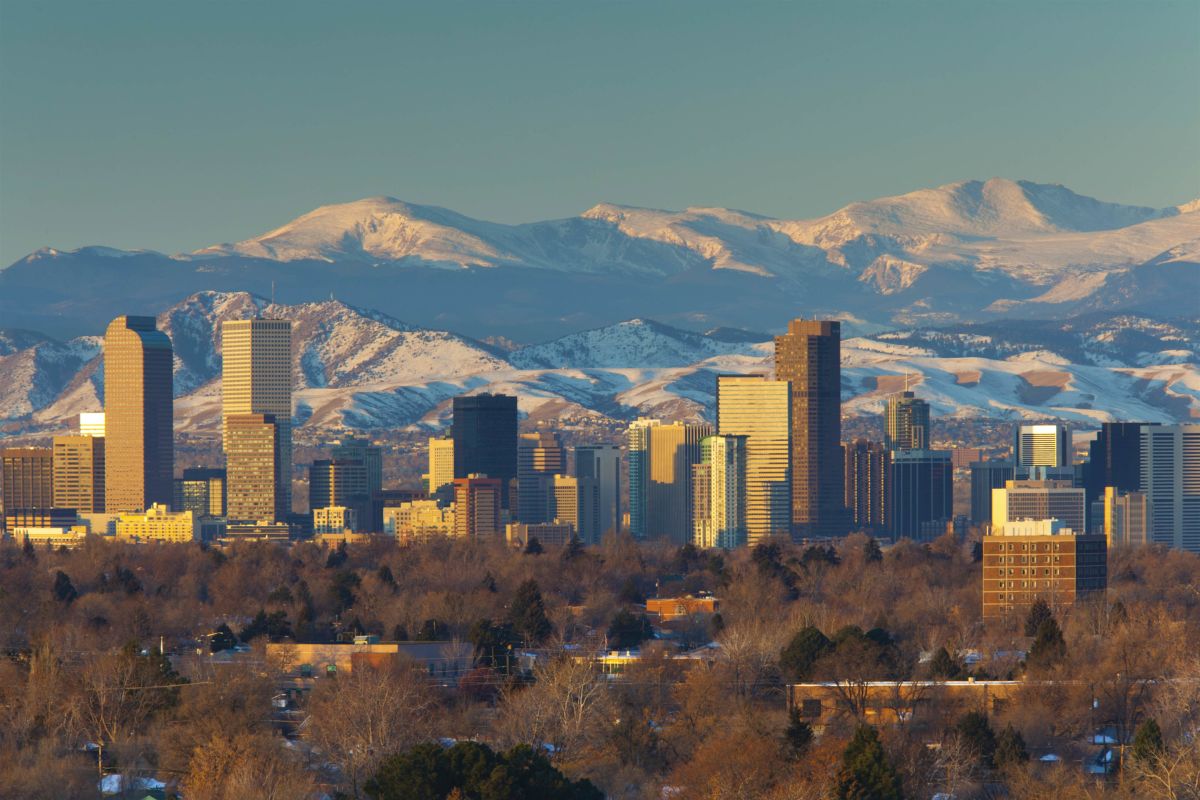
Denver is a city that seems tailor-made for women exploring on their own. Sitting at 5,280 feet above sea level (earning its "Mile High City" nickname), Denver combines the energy of a major metropolis with the laid-back friendliness of a mountain town. The city consistently ranks among the most livable in the United States, and for good reason. With over 300 days of sunshine a year, a thriving food and craft beer scene, world-class museums, and the Rocky Mountains as a stunning backdrop, solo female travelers will never run out of things to do. The locals are genuinely welcoming, and many women report feeling an easy sense of community within just a day or two of arriving. Denver's walkable neighborhoods, reliable public transit, and bike-sharing program make it easy to get around independently. The city's progressive culture means women traveling alone are a common sight, whether at a brewery taproom, a trailhead, or a coworking space. Capitol Hill, LoDo, and the Highlands are particularly popular with solo visitors for their concentration of restaurants, shops, and nightlife. The altitude can catch newcomers off guard (stay hydrated and ease into physical activity), but once you adjust, Denver's combination of urban culture and outdoor adventure is hard to beat. Crime rates in tourist-popular areas remain relatively low, and the city's investment in public safety infrastructure gives solo travelers an added layer of confidence. For women who love blending city exploration with nature, Denver delivers an experience that feels both exciting and genuinely safe.
Walking around
Denver is one of the most walkable cities in the western United States, with several neighborhoods scoring above 90 on Walk Score. Capitol Hill leads with a score around 94, offering tree-lined streets packed with cafes, bookstores, and murals. The Golden Triangle earns an impressive 97, putting you within steps of the Denver Art Museum, the Clyfford Still Museum, and Civic Center Park. Uptown matches that score with its charming mix of historic homes, LGBTQ+ friendly venues, and a vibrant restaurant row along 17th Avenue. LoDo (Lower Downtown) scores around 92, centering on Union Station with its cobblestone streets and pedestrian-friendly layout. Five Points, known as the "Harlem of the West" for its jazz heritage, scores around 90 and offers an authentic neighborhood feel with street art, hip cafes, and cultural spaces. LoHi (Lower Highlands) scores 93, featuring the scenic Highland Bridge with panoramic skyline views and excellent brunch spots. Baker and South Broadway are equally walkable, with colorful storefronts and vintage shops lining the streets. Cherry Creek offers upscale shopping with wide, well-maintained sidewalks perfect for an afternoon stroll. Most solo female travelers find that Denver's popular neighborhoods feel safe for walking during daylight hours, with plenty of foot traffic and well-lit commercial stretches. The 16th Street Mall in downtown provides a mile-long pedestrian promenade with free shuttle buses running its length. Sidewalks are generally well-maintained, though some residential side streets can be uneven. The biggest walking hazard is actually the altitude and dry air, so carrying water is essential.
Opening Hours
Denver operates on a fairly standard American schedule, though some local quirks are worth noting. Most restaurants open for lunch between 11:00 AM and 2:00 PM and for dinner from 5:00 PM to 9:00 or 10:00 PM. Brunch culture is huge in Denver, with popular spots like Jelly, Onefold, and Snooze opening around 7:00 AM on weekends and often generating long lines by 9:00 AM. Coffee shops generally open between 6:00 AM and 7:00 AM, making early risers feel right at home. Retail stores typically operate from 10:00 AM to 7:00 PM or 8:00 PM, though Cherry Creek Shopping Center keeps extended hours. Grocery stores like King Soopers and Whole Foods are often open from 6:00 AM to 11:00 PM, and some locations operate 24 hours. Bars generally close at 2:00 AM, in line with Colorado state law. Dispensaries (recreational cannabis is legal for those 21 and older) typically open from 8:00 AM to 10:00 PM, though hours vary by location. Museums like the Denver Art Museum and the Museum of Nature and Science generally operate from 10:00 AM to 5:00 PM, with some offering extended hours on certain evenings. Denver Botanic Gardens adjusts its schedule seasonally but usually opens at 9:00 AM. Sunday hours can be slightly reduced for smaller businesses, though most tourist-oriented establishments maintain regular schedules. Farmers markets run seasonally from May through October, with the popular Cherry Creek Farmers Market operating Saturday mornings. One notable exception is Little India in downtown, which operates 24 hours and is beloved for its lunch buffet.
Restaurants
Denver's dining scene has evolved dramatically, making it a genuine food destination. Solo dining is not just accepted here, it is practically celebrated. The city's casual, community-oriented culture means sitting at a bar or communal table alone feels completely natural. The Infatuation's Denver guide highlights several solo-friendly favorites: Bruto for creative vegetable-forward dishes, The Universal for reliable quality with a laid-back atmosphere, and Cafe Miriam for French-inspired breakfast sandwiches featuring impossibly flaky croissants. For breakfast, Onefold serves outstanding bacon fried rice and congee, while Jelly offers some of the best pancakes in town in a nostalgic diner setting. LaTinto Cafe on South Broadway specializes in Colombian coffee and guava-filled pastries. In LoDo, Brider offers fast-casual food at sit-down quality, and Hopdoddy serves Texas-style burgers that have won over even loyal locals. For late-night cravings, Uncle delivers exceptional spicy chicken ramen. The craft beer scene is legendary, with hundreds of breweries scattered throughout the city. Solo travelers particularly enjoy brewery taprooms where conversation with strangers flows as freely as the IPAs. Ohana Island Kitchen serves the best poke in Denver, while Blue Pan and Hops and Pie compete for pizza supremacy. Most restaurants are accommodating of solo diners, and many feature bar seating specifically designed for individuals. Tipping is customary at 15 to 20 percent for sit-down meals, with 18 to 20 percent being the local norm. Denver's food truck scene also provides excellent casual options, particularly at events like Civic Center Eats during summer months.
Haggling
Haggling is not part of Denver's commercial culture, and attempting to negotiate prices in shops or restaurants would be considered unusual and somewhat rude. All prices are fixed in retail stores, restaurants, boutiques, and most market settings. The one exception is farmers markets, where vendors occasionally offer small discounts for bulk purchases, but this is friendly negotiation rather than aggressive bargaining. Thrift stores and vintage shops along South Broadway and in RiNo have set prices, though some independently run shops may be willing to discuss price on higher-ticket items if you ask politely. Estate sales and garage sales are common in Denver's residential neighborhoods, and gentle negotiation is expected there. For services like tours or outdoor adventures, prices are fixed and listed online. The same applies to dispensaries, where cannabis products have set pricing. In general, Denver's culture values straightforward, fair transactions. If you come from a culture where haggling is common, simply be aware that fixed pricing is the norm. Tipping, however, is where you can show appreciation: baristas at coffee shops have tip jars, and most food service workers rely on tips as a significant portion of their income. Rideshare drivers also appreciate tips through the app. The key takeaway for solo female travelers is that Denver's commercial interactions are refreshingly simple and transparent.
Hospitals
Denver has excellent healthcare infrastructure, which provides real peace of mind for solo travelers. The city is home to several major hospitals, including Denver Health Medical Center (777 Bannock Street), which operates one of the busiest Level I trauma centers in the region and provides care regardless of ability to pay. UCHealth University of Colorado Hospital in the Anschutz Medical Campus (12605 East 16th Avenue, Aurora) is consistently ranked among the best hospitals in the state. National Jewish Health (1400 Jackson Street) is world-renowned for respiratory and immune disease treatment. For less urgent medical needs, several urgent care clinics are scattered throughout the city, including AFC Urgent Care locations in Capitol Hill and the Highlands. CVS MinuteClinic and Walgreens Healthcare Clinic offer walk-in appointments for minor issues. The emergency number is 911 for police, fire, and ambulance services, and response times in central Denver are generally fast. However, healthcare in the United States is expensive, and solo travelers without American health insurance should absolutely carry travel insurance. An emergency room visit can easily exceed 2,000 USD, and ambulance rides can cost over 1,000 USD. Pharmacies like Walgreens and CVS are widely available and carry over-the-counter medications. Denver's altitude (5,280 feet) can cause altitude sickness in some visitors, with symptoms including headache, nausea, and shortness of breath. Drinking plenty of water, avoiding excessive alcohol in the first day or two, and taking it easy on physical exertion can help your body adjust. If symptoms persist or worsen, urgent care clinics are well-equipped to help.
Drinking Water
Denver's tap water is safe to drink and generally considered high quality. Denver Water, the city's utility, sources water primarily from mountain snowmelt collected in reservoirs in the Rocky Mountains, which gives it a clean, fresh taste. The water meets or exceeds all federal and state drinking water standards. Many locals drink tap water without any filtration, and restaurants serve it freely upon request. The dry climate and high altitude mean dehydration is a genuine concern for visitors, especially those arriving from sea-level locations. Seasoned solo travelers recommend drinking significantly more water than usual, particularly during the first few days. Carrying a reusable water bottle is both practical and environmentally responsible, and refill stations are available at most public buildings, parks, and transit hubs. Bottled water is widely available at convenience stores and supermarkets, typically priced between 1 and 3 USD. During outdoor activities like hiking nearby trails, bringing extra water is essential, as the combination of altitude, low humidity, and physical exertion can lead to rapid dehydration. Coffee shops and restaurants are generally happy to refill water bottles for free if you ask politely. The water quality is consistently monitored, and Denver Water publishes annual quality reports that are publicly available. There are no concerns about contamination or safety in the municipal water supply.
Alcohol Laws
Colorado's drinking age is 21, and this is strictly enforced throughout Denver. Bars, restaurants, and liquor stores will ask for photo identification, and international passports are accepted. Bars typically close at 2:00 AM under state law. Liquor stores have varying hours, and some close earlier on Sundays. Full-strength beer, wine, and spirits are available at licensed liquor stores, while grocery stores and convenience stores can sell beer (including full-strength beer since Colorado changed its laws in 2019). Open container laws prohibit drinking alcohol in public spaces, including parks and streets, unless a specific event permit allows it. Denver's craft beer scene is massive, with over 100 breweries in the metro area. Popular brewery districts include RiNo (River North Art District) and the Highlands. Many breweries offer tasting flights, making them excellent solo activities where you can sample a variety without committing to full pints. Wine bars and cocktail lounges are also thriving, with Williams and Graham, a speakeasy hidden behind a bookshelf in the Highlands, frequently named among the best bars in America. Happy hour culture is strong, typically running from 3:00 PM to 6:00 PM, and many establishments offer significant discounts during these hours. Recreational cannabis is legal in Colorado for adults 21 and older, but consumption in public is prohibited. Dispensaries are plentiful and well-regulated, with knowledgeable staff who can guide first-time visitors. It is important to note that cannabis cannot be consumed in hotels, restaurants, or public areas, though some private lounges exist. Mixing altitude with alcohol can intensify its effects, so pacing yourself is wise.
Greetings
Denver's social culture is warm, open, and refreshingly informal. The standard greeting is a friendly "Hi" or "Hello," often accompanied by a genuine smile. Handshakes are common in professional or first-meeting contexts, but casual interactions rarely require physical contact beyond a wave or nod. Coloradans are known for their friendliness, and it is not unusual for strangers to strike up conversation at coffee shops, on hiking trails, or in brewery taprooms. This openness is particularly welcoming for solo female travelers, who often find that locals are genuinely interested in where they are from and what brought them to Denver. The culture leans progressive and inclusive, with Denver being notably LGBTQ+ friendly and culturally diverse. Eye contact during conversation is considered polite and engaged, while avoiding it may be interpreted as disinterest. "Please" and "thank you" are expected in all commercial interactions, and Denver's service industry workers respond warmly to courtesy. The city's population includes a significant number of transplants from other states and countries, which creates a culture of welcoming newcomers. In group social settings, introductions are usually first-name only, and people are quick to include newcomers in conversation. The overall vibe is casual and egalitarian, meaning that women traveling alone are treated with the same respect and warmth as anyone else. There is no special etiquette around gender in greetings, and Denver's culture actively discourages formality for formality's sake.
Punctuality
Denver operates on American time norms, which means punctuality is generally valued but not rigidly enforced in social settings. For restaurant reservations, arriving within 5 to 10 minutes of your booking time is expected, as many popular spots will give away your table after 15 minutes. Tour operators and organized activities expect prompt arrival, particularly for outdoor excursions where weather windows matter. Public transit runs on published schedules, with RTD (Regional Transportation District) buses and light rail generally being reliable within a few minutes of posted times. In social situations, being "fashionably late" by 10 to 15 minutes is acceptable for parties and casual gatherings, but arriving on time is appreciated. Denver's culture is more relaxed than East Coast cities but more punctual than, say, a Mediterranean standard. For museum visits and attractions, arriving at opening time is the best strategy to avoid crowds, especially at popular spots like Meow Wolf (technically in Denver's suburbs) or the Denver Art Museum. Brunch spots are notoriously crowded on weekends, so arriving before the posted opening time can save you a significant wait. The city's overall pace is unhurried compared to New York or Chicago, which solo travelers often find refreshing. Appointments with services like spa treatments or salon visits should be kept precisely on time, as late arrivals may result in shortened sessions or cancellation fees. The general rule in Denver is: be on time for professional and commercial commitments, and relax a little for everything else.
Meeting People
Denver is exceptionally friendly territory for solo female travelers looking to connect with others. The city's large population of transplants (people who moved from elsewhere) means there is a built-in culture of welcoming newcomers. Brewery taprooms are perhaps the easiest place to meet people, as the communal atmosphere and shared love of craft beer naturally encourage conversation. Meetup.com has an active Denver community with groups dedicated to hiking, photography, book clubs, women's circles, and nearly every interest imaginable. Coworking spaces like Industrious and WeWork have Denver locations where digital nomads and remote workers gather. For outdoor enthusiasts, joining a group hike through organizations like the Colorado Mountain Club is an excellent way to meet like-minded people in a safe, structured environment. Fitness studios, particularly yoga and climbing gyms, foster community connections. Denver's farmers markets and street fairs are social events where conversation flows naturally. The city's LGBTQ+ community is vibrant and welcoming, centered around Capitol Hill and Uptown. Volunteer opportunities with organizations like Food Bank of the Rockies or Habitat for Humanity provide meaningful connections. Hostels are limited in Denver, but Ember Hostel near downtown offers social common areas designed for travelers. The B-Cycle bike-sharing program makes it easy to join group cycling events. Williams and Graham's bar counter in the Highlands is famous for sparking conversations between strangers. For women specifically, organizations like Women Who Explore and GirlTrek have Denver chapters that organize regular outings. The key insight about Denver's social scene is that people genuinely want to connect, and solo status is never a barrier.
Practical Considerations
Denver's practical details are straightforward for most international visitors. The currency is the United States Dollar (USD), and credit cards are accepted virtually everywhere, including food trucks, farmers markets, and public transit. ATMs are plentiful, with major banks like Chase, Wells Fargo, and FirstBank having locations throughout the city. The electrical standard is 120 volts, 60 Hz, using Type A (two flat prongs) and Type B (two flat prongs plus a grounding pin) outlets. Travelers from Europe, Asia, Australia, and most other regions will need a plug adapter and possibly a voltage converter for high-wattage devices. WiFi is widely available: most coffee shops, libraries, and restaurants offer free WiFi, and Denver Public Library locations provide free access with no time limits. Cell phone coverage is excellent in the city, though it can become spotty in mountain areas outside Denver. The climate is semi-arid with over 300 days of sunshine annually. Summers (June through August) are warm with temperatures reaching 32 to 35 degrees Celsius (90 to 95 degrees Fahrenheit), while winters (December through February) bring cold temperatures around minus 5 to 5 degrees Celsius (23 to 41 degrees Fahrenheit) with periodic snowstorms. Spring and fall are mild and considered the best seasons for visiting. The altitude of 5,280 feet (1,609 meters) is the single most important practical consideration: sunburn happens faster, alcohol hits harder, and physical exertion feels more intense. Sunscreen with SPF 30 or higher is essential year-round, and lip balm is a must due to the dry air. Layering clothing is the local strategy, as temperatures can swing 20 degrees in a single day.
Accommodation
Denver offers a solid range of accommodation options for solo female travelers across all budgets. For budget travelers, Ember Hostel near downtown provides clean, social accommodation with both mixed and female-only dorm options, typically priced between 35 and 55 USD per night. Mid-range hotels cluster around downtown and Cherry Creek, with reliable chains like Hyatt Place Denver Downtown (starting around 150 USD) and The Curtis, a Hilton property with a playful pop-culture theme (around 130 to 180 USD). For a splurge, The Crawford Hotel inside Union Station offers stunning historic architecture and a prime location, with rooms starting around 250 USD. Airbnb and Vrbo options are plentiful, particularly in Capitol Hill, RiNo, and the Highlands, where solo travelers can find private rooms or entire apartments starting around 70 to 100 USD per night. When choosing accommodation, solo female travelers should prioritize neighborhoods with high walkability and nightlife: Capitol Hill, LoDo, and LoHi are top choices. The Highlands offers a quieter, more residential feel while still being close to restaurants and bars. Cherry Creek is ideal for those who prefer an upscale, shopping-oriented atmosphere. Avoid booking accommodations along East Colfax Avenue east of Capitol Hill, as this stretch can feel less comfortable at night. Most hotels offer secure key-card access, 24-hour front desks, and in-room safes. Airbnb properties should be evaluated based on reviews from other solo female travelers. Denver's hotel market is competitive, and booking a few weeks in advance usually secures good rates, though major events like the Great American Beer Festival (October) and the National Western Stock Show (January) can drive prices up significantly.