Is Charleston, SC Safe for Solo Female Travelers?
united states
Charleston wraps solo female travelers in genuine Southern hospitality, world-class Lowcountry cuisine, and cobblestone charm, though the sweltering summer humidity and occasional tidal flooding demand practical preparation alongside the postcard-perfect strolls.
Stats
Key Safety Tips
Why Charleston, SC is perfect for solo female travelers
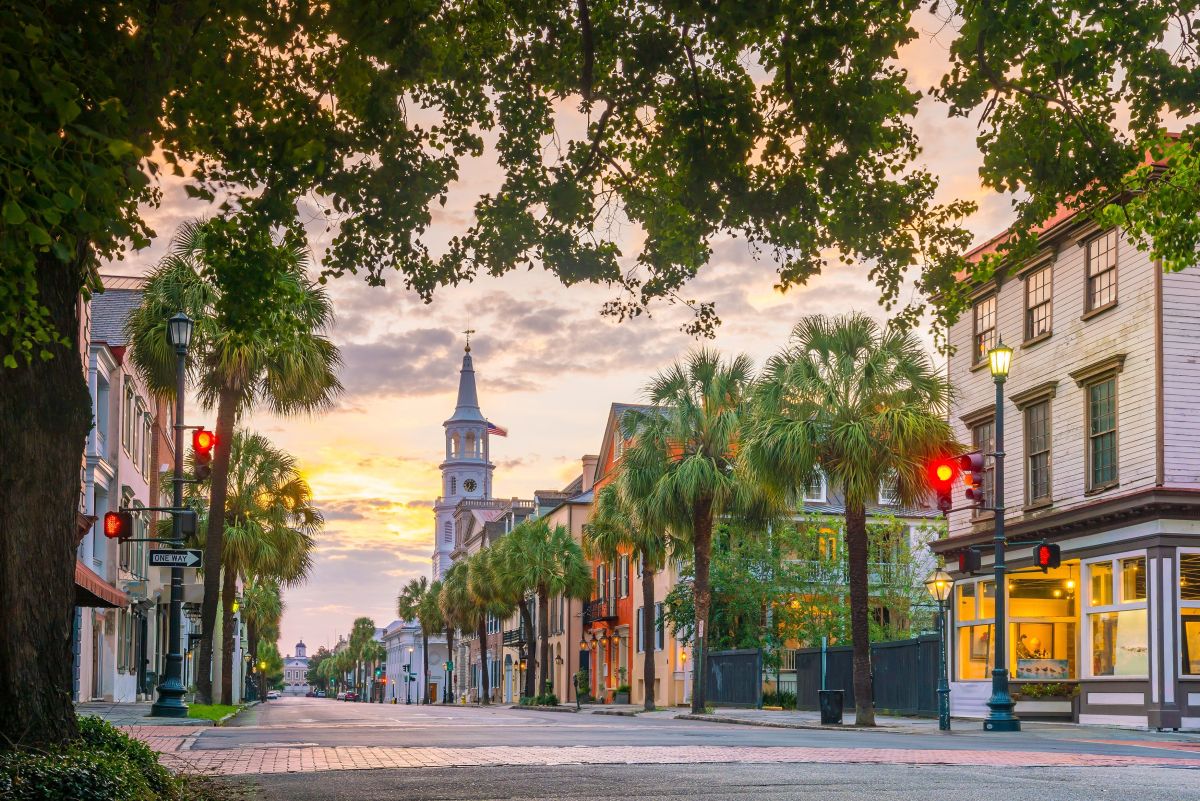
Charleston consistently ranks as the number one small city in the United States according to Conde Nast Traveler and Travel + Leisure readers, a distinction it has held for over twelve consecutive years. This historic coastal gem in South Carolina offers solo female travelers a uniquely welcoming environment built on genuine Southern hospitality, where strangers greet you on the street and locals go out of their way to offer recommendations. The compact peninsula layout makes it extraordinarily walkable, with most major attractions, restaurants, and galleries clustered within a few square miles south of Calhoun Street. Crime has been steadily declining, with overall crime dropping 10.7 percent in 2024 and violent offenses decreasing by 5.7 percent, making the tourist core feel exceptionally safe. The city attracts a strong community of solo female travelers, with women-focused walking tours, cocktail experiences, and ghost tours providing natural opportunities to meet fellow adventurers. The College of Charleston campus infuses the downtown area with youthful energy and an active police presence, while the renowned food scene centered on Lowcountry cuisine gives solo diners world-class options at welcoming bar seats and communal tables. From the pastel facades of Rainbow Row to the cobblestone alleys of the French Quarter, Charleston delivers that rare combination of beauty, safety, culture, and warmth that makes traveling alone feel less like solitude and more like freedom.
Walking around
Charleston is a peninsula city, which makes it one of the most walkable destinations in the American South. The Historic District south of Calhoun Street packs an extraordinary density of attractions into a compact area: Rainbow Row, the Battery, Waterfront Park, City Market, and dozens of galleries and restaurants all sit within comfortable walking distance of each other. Sidewalks throughout the tourist core are well-maintained, though visitors should watch for uneven cobblestones in the French Quarter and South of Broad neighborhoods, where centuries-old streets add charm but demand sensible footwear. During the day, the streets bustle with tourists, carriage tours, and locals, creating a lively atmosphere where a woman walking alone rarely draws a second glance. The city has invested in pedestrian safety infrastructure, particularly along King Street and Meeting Street, with clearly marked crosswalks and traffic calming measures. On weekend nights, Upper King Street is closed to vehicular traffic entirely, allowing pedestrians to roam freely between bars and restaurants in a festive, open-air atmosphere. The free DASH shuttle system offers three routes connecting the Visitors Center on Meeting Street with major attractions, providing a convenient alternative when the Lowcountry heat becomes oppressive during summer months. Most solo female travelers report feeling completely comfortable walking throughout the downtown peninsula during daylight hours and into the evening, provided they stick to the well-lit, well-populated main corridors. The only area to exercise caution is the Eastside neighborhood east of Meeting Street toward Morrison Drive, which has limited tourist infrastructure and higher reported crime.
Opening Hours
Charleston operates on a rhythm shaped by Southern tradition and tourism demand. Most restaurants open for lunch between 11:00 AM and 2:00 PM, then reopen for dinner service from 5:00 PM until 9:00 or 10:00 PM on weekdays, with weekend hours often extending to 11:00 PM. Brunch is a beloved institution, particularly on weekends, when popular spots like Poogan's Porch and Millers All Day can see waits exceeding an hour between 10:00 AM and 1:00 PM. Solo travelers benefit from arriving early or snagging a bar seat, which many restaurants keep available for walk-ins. Retail shops along King Street generally open at 10:00 AM and close by 6:00 PM, though boutiques in the French Quarter may keep slightly shorter hours. The historic City Market operates daily from approximately 9:30 AM to 6:00 PM, with extended hours during peak tourist season from March through October. Museums and historic houses typically welcome visitors from 9:00 AM or 10:00 AM until 5:00 PM, with the last entry often at 4:00 or 4:30 PM. Bars stay open until 2:00 AM under South Carolina law, with the Upper King Street corridor being the primary nightlife zone. Grocery stores and pharmacies like Harris Teeter on East Bay Street operate from 6:00 AM to 11:00 PM. One thing to note is that Charleston businesses, particularly locally owned restaurants, may close on Mondays or Tuesdays for staff rest days, so checking ahead is wise. Sunday hours can also be abbreviated, reflecting the city's strong church-going traditions.
Restaurants
Charleston's food scene has earned it a place among America's top culinary destinations, and the city is remarkably welcoming to solo diners. The Lowcountry cuisine that defines Charleston draws on African, French, and Caribbean influences, producing dishes like shrimp and grits, she-crab soup, and Frogmore stew that tell the story of the region's complex history. For a solo female traveler, the best strategy is to sit at the bar or chef's counter, where you will find yourself in conversation with bartenders and fellow diners within minutes. FIG on Meeting Street is renowned for its farm-to-table approach and has a convivial bar perfect for solo dining. Husk on Queen Street, helmed by celebrity chef Sean Brock's legacy, serves a menu that changes daily based on local ingredients and offers an intimate bar experience. For a more casual Lowcountry meal, try Hominy Grill's successor spots or Leon's Oyster Shop on Upper King, where the relaxed atmosphere makes eating alone feel completely natural. The city's restaurant scene extends beyond fine dining: Rodney Scott's BBQ on King Street serves legendary whole-hog barbecue, while Lewis BBQ in the Upper Peninsula draws crowds for its Texas-meets-Carolina brisket. Charleston's restaurant community takes particular pride in sourcing from local farms and Lowcountry waters, so seasonal menus are the norm rather than the exception. Tipping culture follows American standards at 18 to 20 percent, and many restaurants add automatic gratuity for parties of six or more. Reservations are strongly recommended for dinner at popular spots, especially on Friday and Saturday evenings, though solo diners can often secure same-day bar seating.
Haggling
Haggling is not part of Charleston's commercial culture in conventional retail settings, restaurants, or hotels. Prices are marked and expected to be paid as listed, which is standard throughout the United States. The one notable exception is the historic City Market, where local artisans and vendors sell handmade goods including the iconic sweetgrass baskets woven by Gullah Geechee artisans. These baskets are genuine works of art with prices reflecting hours of skilled craftsmanship, often ranging from fifty dollars to several hundred dollars depending on size and complexity. While gentle negotiation is sometimes possible at the City Market, it should be approached respectfully and with an understanding that you are purchasing cultural heritage, not mass-produced souvenirs. Antique shops along King Street and in the French Quarter may offer modest flexibility on higher-priced items, but aggressive bargaining will be met with polite Southern disapproval. At farmers markets like the popular Saturday Charleston Farmers Market in Marion Square, prices are set by local producers and are generally non-negotiable. Yard sales and flea markets in the greater Charleston area follow more relaxed conventions where reasonable offers are expected. For solo female travelers accustomed to haggling cultures, Charleston's fixed-price environment is actually a comfort, as it removes the stress of negotiation from everyday transactions and ensures transparent pricing across the board.
Hospitals
Charleston is home to one of the Southeast's premier medical centers, making it an exceptionally well-served city for healthcare emergencies. The Medical University of South Carolina, known locally as MUSC, operates a Level I Trauma Center on Ashley Avenue in the heart of the downtown peninsula, capable of handling the most critical injuries and emergencies. MUSC Health is also the only facility in the tri-county area providing specialized emergency services for sexual assault survivors, offering free and optionally anonymous care through trained forensic nurses. Roper St. Francis Healthcare operates Roper Hospital on Calhoun Street, providing a full-service emergency department just blocks from the main tourist areas. Both hospitals are within walking or short rideshare distance from any downtown hotel. For non-emergency medical needs, numerous urgent care clinics operate throughout the peninsula and Mount Pleasant, including Doctors Care and MEDPoint Urgent Care, with typical wait times under an hour. Pharmacies like CVS and Walgreens are scattered throughout downtown with evening hours. The emergency number throughout the United States is 911, which dispatches police, fire, and ambulance services. Charleston's police department maintains a visible downtown presence, with officers patrolling on foot, bicycle, and vehicle, particularly around the College of Charleston campus and the King Street entertainment corridor. Travel insurance is advisable for international visitors, as American healthcare costs can be substantial without coverage, with emergency room visits potentially costing thousands of dollars even for minor issues.
Drinking Water
Charleston's tap water is safe to drink and meets all current EPA drinking water standards. The water is supplied by Charleston Water System, which sources primarily from the Bushy Park Reservoir and the Edisto River, treating it through modern filtration and disinfection processes. At just 28 parts per million hardness, Charleston's water is classified as soft, which is pleasant for drinking and gentle on skin and hair. Lead levels test at 3.5 parts per billion, well below the EPA action level of 15 parts per billion, and no violations have been recorded in the past three years. Solo travelers can confidently fill reusable water bottles from hotel taps and public water fountains throughout the city. Staying hydrated is particularly important during Charleston's famously humid summer months, when temperatures regularly exceed 90 degrees Fahrenheit and the heat index can push well above 100. Most restaurants serve tap water free of charge upon request, and many cafes will happily refill your water bottle. Bottled water is widely available at convenience stores and typically costs between one and three dollars. The soft water quality means visitors accustomed to harder water may notice a slightly different taste, but this is purely a mineral composition difference and not a safety concern. Carrying a refillable bottle is both economically and environmentally smart in a city where you will be doing significant walking.
Alcohol Laws
South Carolina's legal drinking age is 21, strictly enforced throughout Charleston with valid government-issued photo identification required at bars, restaurants, and liquor stores. Bars and establishments serving alcohol may remain open until 2:00 AM, and last call typically comes around 1:30 AM. The state prohibits open containers of alcohol in vehicles, and passengers caught with open drinks face fines. Public drinking is generally prohibited on Charleston's streets, sidewalks, and public parks, though some designated entertainment districts and special events may have exceptions. Upper King Street's weekend pedestrian zone does not automatically permit open containers, and tourists are frequently cited for this misunderstanding. Liquor stores in South Carolina cannot sell alcohol on Sundays before sunrise Monday, though bars and restaurants can serve alcohol on Sundays during their normal operating hours. Beer and wine can be purchased at grocery stores and convenience stores, while liquor requires a visit to a dedicated ABC store. Charleston's cocktail culture is vibrant and sophisticated, with craft cocktail bars like The Gin Joint on East Bay Street and speakeasy-style venues scattered throughout downtown. For solo female travelers, the bar scene is generally welcoming and safe, particularly along King Street and in the French Quarter, where establishments are busy and well-staffed. Moderation and awareness remain important, especially when drinking alone: keep your drink in sight, avoid accepting drinks from strangers, and arrange transportation back to your accommodation in advance.
Greetings
Charleston's greeting culture embodies the best of Southern hospitality, and understanding it will enrich your experience as a solo traveler. Expect strangers to make eye contact, smile, and say hello as you walk down the street, particularly in residential neighborhoods like South of Broad and Harleston Village. This is not intrusive behavior but rather a deeply ingrained cultural norm that reflects genuine friendliness. The standard greeting is a warm "Hey" or "How y'all doing?" accompanied by a smile, and returning the gesture is both expected and appreciated. When being introduced, a handshake is appropriate in professional or formal settings, while casual meetings often involve just a friendly verbal greeting. Addressing people with courtesy titles like "Ma'am" and "Sir" is common and considered a sign of respect rather than formality. In restaurants and shops, staff will typically greet you with genuine warmth, ask where you are from, and may engage in brief personal conversation before getting down to business. This slower, more personal approach to interaction can feel unfamiliar to visitors from faster-paced cities, but it is one of Charleston's most endearing qualities. The phrase "Bless your heart" deserves special mention: while often used sincerely to express sympathy, it can also carry a gentle, humorous edge depending on context. Solo female travelers consistently report that Charleston's greeting culture makes them feel welcomed and safe, creating a sense of being looked after even when traveling alone.
Punctuality
Charleston operates at what locals affectionately call "Charleston time," a noticeably more relaxed approach to scheduling than visitors from major metropolitan areas might expect. While formal reservations at restaurants and scheduled tours should be honored promptly, social gatherings and casual meetups in Charleston typically run ten to fifteen minutes behind stated times, and this is considered perfectly acceptable rather than rude. Restaurants generally hold reservations for fifteen minutes before releasing the table, so punctuality matters when you have secured a coveted dinner spot at places like FIG or Slightly North of Broad. Museum and historic house tours depart on schedule and will not wait for latecomers, so plan to arrive five to ten minutes early. The free DASH shuttle buses operate on published schedules but can experience delays during peak tourist season and special events like Spoleto Festival USA in late May. For solo travelers, this relaxed tempo is actually liberating. There is no pressure to rush between attractions, and lingering over a cup of coffee at Kudu Coffee on Vanderhorst Street or browsing galleries along Broad Street is not just accepted but encouraged. Church services, which remain an important part of Charleston's cultural fabric, begin precisely on time, and visitors exploring the city's historic churches should arrive early. The overall pace reflects a philosophy that values quality of experience over quantity of activities, and adjusting to this rhythm is one of the genuine pleasures of a Charleston visit.
Meeting People
Charleston is one of the easiest American cities for solo travelers to meet both locals and fellow visitors, thanks to the genuine openness that defines Southern hospitality. The city's thriving tour culture provides natural social environments: joining a walking tour through the Historic District, a ghost tour through the old streets at dusk, or a food tour sampling Lowcountry cuisine creates instant camaraderie with other participants. The popular Speakeasy Prohibition Cocktail Tour pairs history with four included cocktails, making it a particularly fun group activity where conversation flows easily. Bar seating at restaurants like Husk, FIG, and The Ordinary puts solo diners elbow to elbow with friendly locals and visitors, and Charleston bartenders are known for facilitating introductions. The Saturday Charleston Farmers Market at Marion Square draws thousands each week from April through November and offers a vibrant, social atmosphere where striking up conversations with vendors and shoppers feels natural. For those seeking more structured social connections, the city hosts regular community events, gallery openings on First Friday Art Walks, and fitness classes at studios throughout downtown. The College of Charleston campus brings a youthful, energetic demographic to the area, and coffee shops like Second State Coffee and Mercantile and Mash serve as informal gathering spots. Solo female travelers looking to connect with other women will find Facebook groups and Meetup communities specifically for Charleston newcomers and visitors. The key to meeting people in Charleston is simply being present and approachable, as the city's culture actively discourages the kind of anonymous isolation common in larger cities.
Practical Considerations
Charleston experiences a humid subtropical climate with hot, humid summers and mild winters. Summer temperatures from June through September regularly reach 90 to 95 degrees Fahrenheit with humidity pushing the heat index well above 100, making lightweight, breathable clothing essential. Spring from March to May and fall from October to November offer the most pleasant weather for walking tours and outdoor exploration, with temperatures in the comfortable 65 to 80 degree range. Winter temperatures rarely drop below 40 degrees, and snowfall is extremely rare. Hurricane season runs from June through November, with September and October presenting the highest risk, so travelers should monitor weather forecasts and register with the local Citizen Alert System for emergency notifications. The currency is the United States dollar, and credit cards are accepted virtually everywhere, including at most City Market vendors and food trucks. ATMs are plentiful throughout downtown. The United States uses 120-volt, 60-hertz electricity with Type A and Type B plugs, so international travelers should bring appropriate adapters. Free public WiFi is available at many cafes, the Charleston County Public Library branches, and several public spaces including Marion Square. For extended stays or remote work, coworking spaces like Serendipity Labs in Mount Pleasant and various downtown options offer day passes. The city's area code is 843, and cell coverage from all major carriers is excellent throughout the metropolitan area. Sunscreen and mosquito repellent are essential during warmer months, and a compact umbrella is wise year-round given the frequency of afternoon thunderstorms.
Accommodation
Charleston offers accommodation options across every budget, from luxury boutique hotels to budget-friendly hostels, and the city is particularly well-suited to solo travelers. The Historic District is the best base for first-time visitors, putting you within walking distance of all major attractions. Boutique hotels are Charleston's specialty, with properties like The Dewberry on Meeting Street offering mid-century modern elegance in a converted federal building, and The Spectator Hotel on State Street providing a personalized, concierge-driven experience ideal for solo guests. The Iris Charleston in the Cannonborough-Elliotborough neighborhood positions guests in a trendy, local-feeling area just a block off King Street, combining boutique charm with proximity to the city's best restaurants and nightlife. For budget-conscious travelers, the NotSo Hostel on Spring Street is one of the few true hostel options in Charleston, offering dormitory beds and private rooms in a renovated Victorian home with a social atmosphere perfect for meeting other solo travelers. Mid-range chain hotels like the Hyatt Place Charleston Historic District provide reliable comfort with rooftop pools and harbor views. Vacation rentals through platforms like Airbnb and VRBO are popular in neighborhoods like Cannonborough-Elliotborough, which is specifically zoned for short-term rentals. When choosing accommodation, solo female travelers should prioritize properties in the Historic District or immediately adjacent neighborhoods like Harleston Village and Radcliffeborough, where well-lit streets and foot traffic provide a sense of security at all hours. Avoid booking in North Charleston unless specifically near the airport, as it requires driving to reach tourist areas and has higher crime statistics.