Is Baltimore Safe for Solo Female Travelers?
united states
Baltimore rewards the savvy solo traveler with legendary crab cakes, waterfront charm, and a rich arts scene, but its reputation for violent crime demands real neighborhood awareness and a rideshare app after dark.
Stats
Key Safety Tips
Why Baltimore is perfect for solo female travelers
Baltimore, affectionately known as Charm City, offers solo female travelers a compelling mix of waterfront beauty, world-class museums, and one of America's most distinctive food cultures. The city's compact tourist corridor, stretching from the Inner Harbor through Fells Point and up to Mount Vernon, makes it possible to explore on foot without ever needing a car. This seasoned traveler has found Baltimore's neighborhoods each carry their own personality: the cobblestone streets of Fells Point feel like stepping back to the 18th century, while Harbor East delivers sleek, modern luxury just a short walk away.
What sets Baltimore apart for women traveling alone is the genuine warmth of locals. Baltimoreans are famously talkative, and the local term of endearment "hon" makes even newcomers feel welcomed. The city's food scene is a solo traveler's dream: from slurping oysters at a counter stool in Fells Point to savoring legendary crab cakes at Faidley Seafood in Lexington Market, dining alone here feels natural, not awkward. Cultural offerings run deep, with the National Aquarium, the American Visionary Art Museum, and the Walters Art Gallery all within walking distance of each other.
That said, Baltimore requires awareness. The city has made significant strides in reducing violent crime, with homicides dropping 23 percent from 2023 to 2024 according to the Baltimore Police Department, but its overall crime rate remains well above the national average. The key for solo female travelers is staying within the tourist-friendly neighborhoods and using rideshare services after dark. Within those boundaries, Baltimore delivers a surprisingly rich, affordable, and welcoming experience that rivals cities twice its size.
Walking around
Walking in Baltimore's tourist districts is one of the city's genuine pleasures. The Inner Harbor waterfront promenade connects seamlessly to Federal Hill, Harbor East, and Fells Point, with clearly marked paths and plenty of foot traffic during daylight hours. The Charm City Circulator, a free bus service with four routes (Orange, Purple, Green, and Cherry), fills gaps between walkable neighborhoods and means you never need to wander through unfamiliar territory.
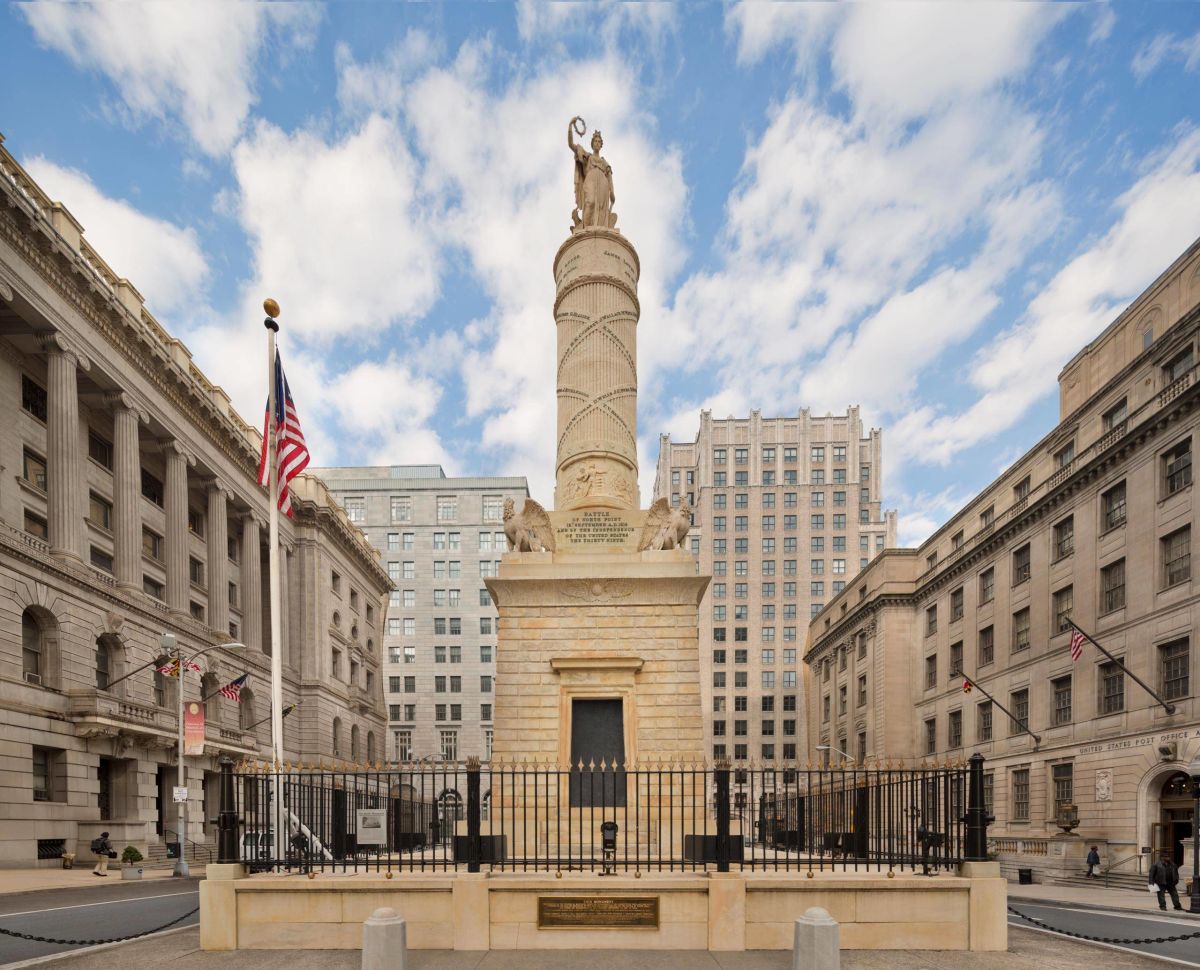
Federal Hill's Cross Street Market area is particularly pleasant on foot, with brick row homes, locally owned shops, and wide sidewalks. Canton's O'Donnell Square offers a walkable village atmosphere with cafes and boutiques clustered around a central park. Mount Vernon's cultural mile along Charles Street connects the Walters Art Museum, the Peabody Library, and the Washington Monument (yes, Baltimore's was built first) in a comfortable stroll.
However, walking in Baltimore also requires street smarts. Tourist-friendly neighborhoods sit adjacent to higher-crime areas, and the boundaries can shift within a few blocks. East Baltimore and parts of West Baltimore, specifically areas around North Avenue and Pennsylvania Avenue, should be avoided on foot, particularly alone. Even in popular areas like downtown near Lexington Market, comfort levels drop noticeably after dark.
Many women report feeling perfectly safe walking the Inner Harbor, Fells Point, and Federal Hill during the day, but transitioning to rideshare once the sun sets. The city's grid layout makes navigation straightforward, and the water taxi provides a scenic alternative for hopping between waterfront neighborhoods without walking through transitional blocks. Carry a charged phone, stay on well-lit main streets, and you will find daytime Baltimore a genuinely enjoyable city to explore on foot.
Opening Hours
Baltimore follows typical mid-Atlantic American business hours, but with a few local quirks worth noting. Most shops and boutiques in tourist neighborhoods open between 10:00 AM and 11:00 AM and close by 6:00 PM or 7:00 PM on weekdays. Weekend hours tend to extend slightly, with many shops staying open until 8:00 PM on Saturdays.
Restaurants in Baltimore generally serve lunch from 11:30 AM to 2:30 PM and dinner from 5:00 PM to 10:00 PM on weeknights, though popular spots in Fells Point and Federal Hill often stay open until 11:00 PM or midnight on Fridays and Saturdays. Bars typically remain open until 2:00 AM. Brunch culture is strong in Baltimore, particularly in Hampden and Canton, where weekend brunch runs from 9:00 AM to 2:00 PM and restaurants fill up quickly by 10:30 AM.
The Lexington Market, one of the oldest continuously operating markets in the United States (established 1782), is open Tuesday through Saturday from 9:00 AM to 6:00 PM. Cross Street Market in Federal Hill keeps similar hours but extends later on weekends. Major museums like the National Aquarium operate from 9:00 AM to 5:00 PM most days, with extended hours on Fridays. The Baltimore Museum of Art and the Walters Art Museum are both free and open Wednesday through Sunday.
Banks operate from 9:00 AM to 5:00 PM on weekdays, with some branches offering Saturday morning hours. Pharmacies like CVS and Walgreens often have 24-hour locations downtown. Grocery stores, including Whole Foods in Harbor East, generally stay open until 9:00 PM or 10:00 PM daily.
Restaurants
Baltimore's food scene is built on seafood, and the city takes its crab seriously. Solo dining here feels natural, partly because many of the best spots are counter-service or casual enough that a table for one attracts zero attention. Faidley Seafood inside Lexington Market has been serving softball-sized crab cakes since 1886, and the walk-up counter format is perfect for solo travelers who want to eat quickly and affordably. Expect to pay around $18 to $22 for a crab cake platter.
For a more refined experience, Woodberry Kitchen in Hampden occupies a restored factory and focuses on farm-to-table cooking with locally sourced Chesapeake ingredients. Their community table actively encourages solo diners to sit and mingle. In Harbor East, Pazo brings Mediterranean tapas-style sharing plates that work beautifully when you are ordering just for yourself, and the lively atmosphere keeps solo dining from feeling lonely.
The Food Market on The Avenue in Hampden serves creative American comfort food in a buzzing, approachable setting. Thames Street Oyster House in Fells Point is another standout, offering impeccably fresh oysters and a bar where solo diners regularly post up for an evening. Cross Street Market in Federal Hill provides a food hall experience with multiple vendors under one roof.
Baltimore's Italian food legacy thrives in Little Italy, where family-run restaurants like Sabatino's have operated since 1955. Portions are generous and prices moderate. For budget-conscious solo travelers, the city's many "carry-out" crab houses offer steamed crabs by the dozen at prices significantly lower than sit-down restaurants. Tipping 18 to 20 percent is standard at full-service restaurants throughout the city.
Haggling
Baltimore operates on fixed pricing for virtually all retail and dining transactions, consistent with American commercial norms. Prices in shops, restaurants, and markets are marked and non-negotiable. This extends to the city's public markets like Lexington Market and Cross Street Market, where vendors post their prices and expect them to be paid as listed.
The one notable exception is vintage and antique shopping, particularly along The Avenue in Hampden, where stores like Bazaar and Atomic Books sometimes entertain reasonable offers on higher-priced items. If you see a vintage piece you love, it is acceptable to politely ask "Is that your best price?" but do not expect significant discounts. The same applies at the many flea markets and pop-up vintage sales that appear around the city, especially in the Bromo Arts District and Remington neighborhoods.
Farmers' markets, including the popular Baltimore Farmers' Market & Bazaar held on Sundays under the Jones Falls Expressway, also operate on fixed pricing. However, arriving near closing time sometimes yields informal discounts as vendors prefer to sell remaining produce rather than transport it home.
For accommodations, direct booking with smaller bed and breakfasts in neighborhoods like Mount Vernon or Federal Hill can sometimes yield better rates than online platforms, particularly during the off-season months of January through March. Hotel rates in the Inner Harbor area are generally firm but become more flexible during midweek stays or when booked well in advance. Car rental prices are also non-negotiable, though comparison shopping between agencies at Baltimore-Washington International Airport (BWI) is worthwhile.
Hospitals
Baltimore is genuinely exceptional when it comes to healthcare access, which provides significant peace of mind for solo travelers. Johns Hopkins Hospital, located in East Baltimore, is consistently ranked among the top hospitals in the United States and the world. Founded in 1889, it operates a Level I Trauma Center with emergency services available 24 hours a day. While the surrounding neighborhood requires caution, the hospital campus itself is well-secured with campus police and shuttle services.
The University of Maryland Medical Center in downtown Baltimore is another major teaching hospital with a comprehensive emergency department. Its Shock Trauma Center is the first and only integrated trauma center in the world dedicated to treating major traumatic injuries, and it is located at 22 South Greene Street, easily accessible from the Inner Harbor area.
Mercy Medical Center, situated at 301 St. Paul Place near Mount Vernon, is a smaller but highly regarded hospital that women travelers may find particularly comfortable. It has a strong reputation for women's health services and offers emergency care in a less overwhelming setting than the larger trauma centers.
For non-emergency medical needs, numerous urgent care clinics operate throughout tourist-friendly neighborhoods. Patient First has locations in Canton and other accessible areas, typically open from 8:00 AM to 10:00 PM daily. Walgreens and CVS pharmacies with in-store clinics offer walk-in care for minor ailments.
Emergency services in Baltimore respond to 911 calls. Response times in tourist areas are generally prompt, though they can vary in other parts of the city. Travelers from outside the United States should carry travel health insurance, as American emergency room visits are expensive, often ranging from $500 to $3,000 or more depending on the treatment required.
Drinking Water
Tap water in Baltimore is safe to drink. The city's water supply comes primarily from three reservoirs in Baltimore County: Loch Raven, Prettyboy, and Liberty, which collectively serve the metropolitan area. The Baltimore City Department of Public Works treats and monitors the water supply continuously, and it consistently meets all federal and state drinking water standards.
Many women report drinking tap water throughout their stay without any issues. Restaurants will happily serve tap water at no charge, which is standard practice across the United States. Asking for "water" at any restaurant will automatically get you tap water; you only receive bottled water if you specifically request it.
Reusable water bottles can be refilled at public fountains throughout the Inner Harbor, in museums, and at most attractions. The National Aquarium, the Baltimore Convention Center, and major hotels all have water bottle filling stations. Staying hydrated is particularly important during Baltimore's hot, humid summers, when temperatures regularly reach 90 to 95 degrees Fahrenheit (32 to 35 degrees Celsius) with significant humidity.
If you prefer bottled water, it is widely available at convenience stores, gas stations, and supermarkets. A standard bottle costs between $1 and $3 depending on the brand and location. Some travelers from countries with softer water may notice a slight difference in taste from Baltimore's reservoir-sourced supply, but this is a matter of preference rather than safety.
Alcohol Laws
The legal drinking age in the United States is 21, and Baltimore enforces this strictly. Bars, restaurants, and liquor stores will ask for government-issued photo identification, and international travelers should carry their passport if they wish to purchase alcohol. Many establishments will not accept foreign driver's licenses as valid ID.
Bars in Baltimore typically close at 2:00 AM, though last call for drinks usually happens around 1:30 AM. Maryland permits Sunday alcohol sales, including in liquor stores, which is not universal across all US states. Liquor stores in Baltimore generally operate from 9:00 AM or 10:00 AM until 10:00 PM or 11:00 PM, depending on the neighborhood and day of the week.
Open container laws prohibit drinking alcohol in public spaces, including sidewalks, parks, and the Inner Harbor waterfront. Penalties for public intoxication can include fines and overnight detention. This is worth noting because the waterfront promenade and Federal Hill Park may feel like inviting places to enjoy a drink outdoors, but both are subject to enforcement.
Maryland's craft beer scene has exploded in recent years, and Baltimore is home to several excellent breweries. Heavy Seas Beer, Union Craft Brewing in Hampden, and Diamondback Brewing in Locust Point all offer taproom experiences. Wine bars like Vin 909 in Annapolis (a short drive away) and local spots in Mount Vernon cater to travelers who prefer wine. Cocktail culture thrives in Harbor East and Fells Point, where bars like WC Harlan (a reservation-only speakeasy in Remington) and Sugarvale in Mount Vernon offer inventive drinks in intimate settings.
Greetings
Baltimore has a famously friendly culture that makes connecting with locals remarkably easy. The city's signature greeting is informal and warm: a simple "Hey, how are you?" accompanied by a genuine smile is the standard. Baltimoreans are known for being approachable and talkative, and it is common for strangers to strike up conversation at bars, markets, or on public transit.
The local term of endearment "hon" (short for "honey") is deeply woven into Baltimore's identity. You will hear it from servers, shopkeepers, and bus drivers alike. The Cafe Hon restaurant in Hampden celebrates this tradition, and the annual HonFest festival pays tribute to the city's beehive-hairdo, cat-eye-glasses-wearing "hon" archetype. Being called "hon" is a sign of warmth, not condescension.
Handshakes are the standard greeting in professional or semi-formal situations. Among friends and acquaintances, hugs are common, but no one will expect physical contact from a stranger. A smile and verbal greeting are always sufficient. Eye contact during conversation is considered polite and attentive.
Baltimore's culture is proudly working-class in many neighborhoods, and locals value authenticity over pretension. Showing genuine interest in the city, its neighborhoods, and its sports teams (the Ravens and Orioles are practically sacred) will earn you instant goodwill. Asking a local for their favorite crab cake spot is essentially a conversation starter that never fails. The city's cultural diversity, with significant African American, Italian, Greek, and Eastern European communities, means greeting customs vary slightly by neighborhood, but warmth and directness are universal constants.
Punctuality
Baltimore operates on standard American expectations regarding punctuality, with some regional softness. For restaurant reservations, arriving within 5 to 10 minutes of your booked time is expected, and many popular spots like Woodberry Kitchen or Charleston in Harbor East will release your table after a 15-minute grace period during busy hours.
Museum and attraction hours are fixed, and arriving before opening is wise for popular destinations like the National Aquarium, which can develop long entrance queues by mid-morning on weekends and during summer months. Purchasing tickets online in advance often includes timed entry, which helps manage expectations and reduces wait times.
Public transportation in Baltimore runs on published schedules, but experienced travelers will tell you to add a buffer. The Charm City Circulator aims for 15-minute frequency but can run late during peak hours. MTA buses are similarly variable, and checking real-time arrival information through the Transit app is recommended over relying solely on posted schedules.
For social engagements, Baltimore leans casual. Arriving 10 to 15 minutes late to a social gathering is common and not considered rude. However, for organized tours, theater performances at venues like the Hippodrome Theatre or Everyman Theatre, and group activities, punctuality is important. Shows start on time and late arrivals may not be seated until intermission.
Business meetings and professional appointments expect on-time arrival, consistent with American norms. If you are meeting a local contact for coffee or a meal, arriving within a few minutes of the agreed time shows respect without being rigidly formal. The overall pace of life in Baltimore is slightly more relaxed than in nearby Washington, D.C., which influences social timing expectations.
Meeting People
Solo female travelers will find Baltimore surprisingly easy for making genuine connections. The city's bar culture, particularly in Fells Point and Federal Hill, naturally fosters conversation. Sitting at a bar rather than a table is the single best strategy for meeting people: bartenders in Baltimore tend to be excellent conversationalists who will introduce you to regulars if you show interest.
Meetup.com hosts active Baltimore groups for everything from hiking to photography to language exchange. MeetPeople Social organizes regular events specifically designed for newcomers and visitors to connect with locals. These events are well-attended and provide a structured, comfortable way to socialize without the pressure of approaching strangers cold.
The city's thriving arts community creates natural gathering points. First Thursday events at galleries in the Bromo Arts District and Station North Arts and Entertainment District draw sociable crowds. The 32nd Street Farmers' Market in Charles Village on Saturdays is another reliably friendly environment where conversations start naturally over seasonal produce and local pastries.
Coworking spaces offer another avenue for solo travelers who work remotely. Open Works in Greenmount West is a large makerspace and coworking facility that attracts a creative, welcoming community. Several coffee shops double as informal coworking spots: Ceremony Coffee in Harbor East and Mount Vernon, and Dovecote Cafe in Reservoir Hill are favorites among remote workers and solo travelers.
For women specifically, Baltimore has an active community of female-focused social groups and events. The city's many book clubs, yoga studios, and running groups (like the Baltimore chapter of Black Girls RUN!) provide entry points that feel natural and low-pressure. Volunteering at local organizations is another way to connect with Baltimoreans who care about their community, and many accept short-term or one-time volunteers.
Practical Considerations
Baltimore uses the US dollar (USD), and credit and debit cards are accepted virtually everywhere, including at food trucks and market vendors. ATMs are widely available at banks, convenience stores, and inside hotels. Foreign currency exchange is available at Baltimore-Washington International Airport (BWI) but not commonly found in the city itself.
The electrical standard is 120 volts at 60 Hz, with Type A and Type B plugs (two flat prongs, sometimes with a grounding pin). Travelers from Europe, Asia, or other regions using different plug types should bring a universal adapter. Converters for high-wattage devices may also be needed.
WiFi is broadly available in Baltimore. Most hotels, cafes, and restaurants offer free WiFi to customers. Public WiFi is available at the Enoch Pratt Free Library (the city's public library system), which has multiple branches throughout the city and offers a quiet, safe workspace. The central branch at 400 Cathedral Street in Mount Vernon is architecturally stunning and a worthwhile visit in itself.
Baltimore's climate is humid subtropical. Summers (June through August) bring temperatures between 85 and 95 degrees Fahrenheit (29 to 35 Celsius) with high humidity, making lightweight, breathable clothing essential. Winters (December through February) see temperatures between 25 and 40 degrees Fahrenheit (minus 4 to 4 Celsius) with occasional snow. Spring and fall are the most pleasant seasons for walking and outdoor exploration.
Cell phone coverage is reliable throughout the city with all major US carriers (AT&T, Verizon, T-Mobile). International travelers can purchase prepaid SIM cards at numerous phone stores in the Inner Harbor area or at BWI Airport. Tipping culture applies to restaurants (18 to 20 percent), bars ($1 to $2 per drink), hotel housekeeping ($2 to $5 per night), and rideshare drivers (15 to 20 percent).
Accommodation
Baltimore offers a wide range of accommodation options that cater to different budgets and comfort levels. The Inner Harbor and Harbor East neighborhoods concentrate the city's luxury hotels, including the Four Seasons Hotel Baltimore, which features waterfront views, a spa, and 24-hour security that provides significant peace of mind for solo female travelers. The Renaissance Baltimore Harborplace Hotel is another popular choice in the Inner Harbor, offering comfortable rooms with harbor views at moderate prices.
For budget-conscious solo travelers, HI Baltimore (Hostelling International) is the city's standout hostel option. Located in a historic building, it offers female-only dormitory rooms in addition to private rooms, making it an excellent choice for women traveling alone who want affordability without compromising on safety. The communal areas encourage socializing, and the staff organizes group outings and walking tours.
Mid-range hotels cluster around the Inner Harbor and Mount Vernon. The Hotel Indigo Baltimore Downtown and the Staybridge Suites offer reliable, comfortable accommodations with amenities like fitness centers and free breakfast. Boutique options like The Ivy Hotel in Mount Vernon provide a more intimate, luxurious experience in a restored townhouse setting.
Airbnb and VRBO listings are plentiful in Federal Hill, Canton, and Hampden. When booking vacation rentals, solo female travelers should prioritize listings with multiple positive reviews from other women, secure entry systems, and locations on well-lit streets. Federal Hill and Canton both offer excellent walkability and proximity to restaurants and nightlife, making them strong choices for a home base.