Is Atlanta Safe for Solo Female Travelers?
united states
Atlanta delivers world-class museums, a legendary food scene and Southern warmth that makes solo women feel genuinely welcome, but its sprawling layout and uneven safety between neighborhoods demand that you choose where you walk carefully.
Stats
Key Safety Tips
Why Atlanta is perfect for solo female travelers
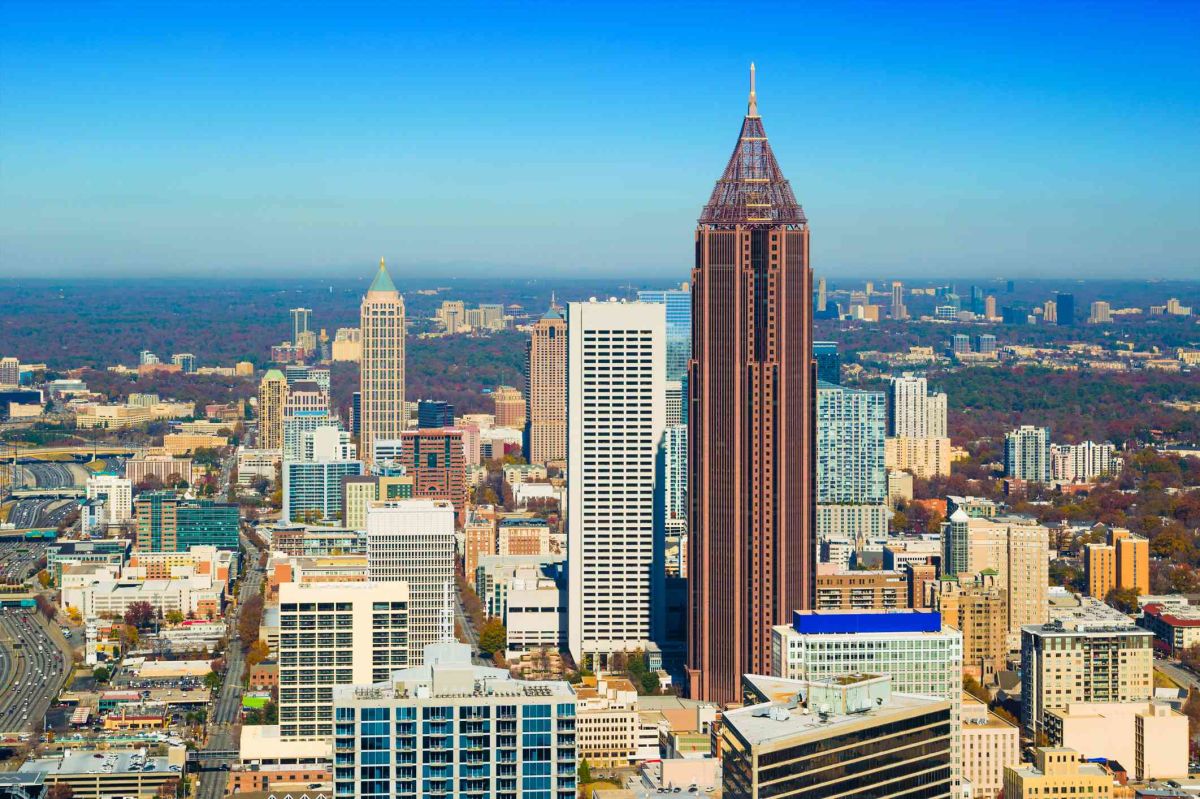
Atlanta is a city that runs on energy, culture and a particular brand of warmth that Southerners call hospitality. For women traveling alone, the capital of Georgia offers a rare combination: a deep, living history rooted in the Civil Rights Movement, a food scene that ranges from lemon pepper wings at a walk-up counter to Michelin-recognized fine dining, and neighborhoods so distinct they feel like separate small towns stitched together by the Atlanta BeltLine. The city is home to the second-largest Black population in the United States, four Historically Black Colleges and Universities, and the busiest airport on the planet, Hartsfield-Jackson Atlanta International Airport, which means getting here is rarely a problem. Midtown, Buckhead and Virginia-Highland consistently earn praise from solo female visitors for their walkability, well-lit streets and welcoming bar and restaurant scenes. Atlanta's MARTA rail system, while not as expansive as transit in New York or Chicago, covers enough ground to move a solo traveler between key districts without needing a car during the day. The BeltLine, a 22-mile multi-use trail that loops through many of the city's best neighborhoods, has become a gathering place for joggers, dog walkers, artists and, importantly, women exploring on their own. Add in world-class museums like the High Museum of Art, the National Center for Civil and Human Rights and the Martin Luther King Jr. National Historical Park, and the solo traveler has days of meaningful exploration ahead. Atlanta does demand awareness, as any large American city does. Certain pockets south of Downtown carry higher crime rates, and navigating traffic can test anyone's patience. But the rewards for a woman who does her homework, sticks to the recommended neighborhoods and embraces the local culture are enormous. This is a city that celebrates individuality, creativity and resilience, qualities any solo female traveler already carries in her back pocket.
Walking around
Walkability in Atlanta depends entirely on which neighborhood you are in. Midtown is the city's most pedestrian-friendly zone, with wide sidewalks along Peachtree Street connecting the Fox Theatre, Piedmont Park and the High Museum of Art within a comfortable stroll. Virginia-Highland and Inman Park offer tree-lined residential streets that transition smoothly into boutique shopping and cafe strips. The Atlanta BeltLine Eastside Trail, running from Piedmont Park down through Old Fourth Ward to Inman Park, is one of the best walking corridors in any American city, flat and paved with public art installations and food vendors along the way. Downtown around Centennial Olympic Park and the Georgia Aquarium is walkable during the day and moderately busy with tourists year-round. Buckhead's Lenox Road corridor is pleasant for walking between Phipps Plaza and Lenox Square Mall, though stretches beyond the main commercial areas thin out quickly. Where walkability drops off is in the transitions between neighborhoods. Atlanta is a sprawling, car-centric metro, and once you leave the core of a walkable district you may find yourself on a wide road with no sidewalk at all. The Westside and parts of southwest Atlanta require a vehicle or rideshare to navigate comfortably. Solo women walking in tourist-friendly neighborhoods during daylight will generally feel comfortable and encounter other pedestrians, joggers and cyclists. It is wise to have a rideshare app ready for any stretch that takes you off established pedestrian routes, and to plan walks along the BeltLine during busier hours when foot traffic provides natural company.
Opening Hours
Atlanta operates on a broadly American schedule with a few regional quirks. Most restaurants open for lunch between 11:00 AM and 11:30 AM, with dinner service starting around 5:00 PM. Many popular spots in Midtown and Buckhead stay open until 10:00 PM or 11:00 PM on weeknights, extending to midnight on Fridays and Saturdays. Brunch culture is strong, especially on weekends, and popular places like Flying Biscuit Cafe in Candler Park or West Egg Cafe in Westside Provisions can see lines starting before their 8:00 AM or 9:00 AM openings. Coffee shops typically open early, around 6:00 AM or 7:00 AM, and close by 6:00 PM or 7:00 PM. Bars generally operate from the late afternoon until 2:00 AM or 3:00 AM, with Georgia law allowing alcohol sales until 2:30 AM in the City of Atlanta. On Sundays, alcohol sales begin at 12:30 PM, a nod to Georgia's historically conservative blue laws that have been progressively loosened. Museums and attractions like the Georgia Aquarium and World of Coca-Cola open around 9:00 AM or 10:00 AM daily and close between 5:00 PM and 8:00 PM depending on the season, with later hours on weekends. MARTA trains run from approximately 4:45 AM to 1:00 AM on weekdays and 6:00 AM to 1:00 AM on weekends. Retail shops in areas like Ponce City Market and Atlantic Station typically operate from 10:00 AM to 9:00 PM. Grocery stores, including Kroger and Publix locations throughout the city, often operate from 6:00 AM to 11:00 PM, with some locations open 24 hours. Solo female travelers should note that foot traffic drops significantly after 10:00 PM outside of dedicated nightlife districts, so plan evening outings around areas with concentrated activity.
Restaurants
Atlanta's dining scene is one of the genuine highlights for any solo traveler. The city is a destination for Southern comfort food elevated to an art form, international cuisines brought by its diverse immigrant communities, and an emerging fine dining circuit recognized by the Michelin Guide. Ponce City Market in Old Fourth Ward is an excellent starting point, a historic former Sears warehouse now housing dozens of food stalls, from H&F Burger to Jeni's Splendid Ice Creams, with communal seating that makes eating alone feel perfectly natural. Krog Street Market on the BeltLine offers a similar vibe with spots like Gu's Dumplings and Fred's Meat & Bread. For solo dining with a more refined experience, Eater Atlanta recommends spots like Star Provisions Market and Cafe in Westside, where chef Anne Quatrano's lunch menu features fresh soups and sandwiches in a relaxed setting. El Vinedo Local on Peachtree Street in Midtown, a South American wine bar, has a community table and small bar designed specifically for solo diners, with arepas, empanadas and wines from sustainable producers. Eats on Ponce de Leon Avenue is an Atlanta landmark where a meat-and-three combo runs about $10, and solo diners are the norm. For upscale solo dining, Aria in Buckhead has a tiny bar where reservations are encouraged and the full menu, including their signature burger, is available alongside a serious wine list. Southern staples like Busy Bee Cafe in the West End and Mary Mac's Tea Room near Midtown have been feeding Atlantans for decades, and a solo woman at their counters will be treated like family. Meal times follow typical American patterns: lunch from 11:00 AM to 2:00 PM, dinner from 6:00 PM to 9:00 PM, but Atlanta's brunch scene on weekends is not to be missed.
Haggling
Haggling is not part of the culture in Atlanta, and attempting to negotiate prices in shops, restaurants, or department stores will draw confused looks at best. Prices are fixed in virtually every retail and dining context. The exceptions are flea markets, antique shops, and certain vendors at places like the Scott Antique Markets, held monthly at the Atlanta Expo Center, where polite negotiation on larger purchases is expected and even welcomed. At farmers' markets like the Freedom Farmers Market or the East Atlanta Village Farmers Market, prices are set but vendors may offer small discounts toward the end of the day to clear inventory. Car rentals, hotel rates and other large purchases can sometimes be negotiated through online platforms or loyalty programs, but face-to-face haggling at a hotel front desk is not standard practice. Tipping is where Americans spend their negotiation energy: in Atlanta, as throughout the United States, tipping 18 to 20 percent at restaurants is standard, $1 to $2 per drink at bars, 15 to 20 percent for rideshare drivers, and $2 to $5 per night for housekeeping. Not tipping is considered deeply disrespectful and will be noticed. Solo female travelers from cultures where haggling is routine should adjust expectations accordingly and focus their budget awareness on understanding tipping norms rather than price negotiation.
Hospitals
Atlanta is a major medical hub in the southeastern United States, home to some of the best hospitals in the country. Emory University Hospital, ranked among the top hospitals nationally by U.S. News and World Report, is located in the Druid Hills area just east of Midtown and provides comprehensive emergency and specialty care. Grady Memorial Hospital, situated in Downtown Atlanta at 80 Jesse Hill Jr. Drive, is the city's largest public hospital and its Level I trauma center, treating the most critical emergencies 24 hours a day. Piedmont Atlanta Hospital on Peachtree Road in Buckhead offers excellent general and emergency services in a more upscale neighborhood setting. Northside Hospital Atlanta, at 1000 Johnson Ferry Road, specializes in women's health and is one of the largest maternity hospitals in the country. For minor injuries or illnesses, walk-in urgent care clinics like CareSpot and WellStreet operate throughout the city with wait times typically under an hour. The emergency number in the United States is 911, connecting callers to police, fire and ambulance services. Non-emergency police matters can be reported to the Atlanta Police Department at 404-614-6544. Healthcare costs in the United States are notoriously high for uninsured visitors; a basic emergency room visit can easily exceed $1,000. Solo female travelers should carry travel health insurance and keep a digital copy of their policy accessible on their phone. Pharmacies like CVS and Walgreens are widespread, many open until 10:00 PM, and carry over-the-counter medications, feminine hygiene products and basic first-aid supplies.
Drinking Water
Tap water in Atlanta is safe to drink and meets all Environmental Protection Agency (EPA) standards. The city's water comes from the Chattahoochee River and is treated by the Atlanta Department of Watershed Management. The taste is generally neutral, though some visitors from regions with softer water may notice a slight mineral quality. Filtered water pitchers and bottle-filling stations are common in hotels, gyms and coworking spaces throughout the city. Restaurants will typically serve tap water without charge when asked. Bottled water is available everywhere, from convenience stores to grocery chains like Publix and Kroger, with prices ranging from about $1 for a small bottle to $5 or $6 for a larger premium brand. The Atlanta heat, particularly from June through September, means hydration is critical. Temperatures regularly climb into the 90s Fahrenheit (32 to 37 degrees Celsius) with high humidity, and dehydration can set in quickly during outdoor exploration along the BeltLine or through Piedmont Park. Carry a refillable water bottle, as many parks, MARTA stations and public buildings have water fountains. Solo female travelers should note that while tap water quality is reliable in the city proper, some older buildings may have aging pipes, so if the water tastes unusual at your accommodation, switching to filtered or bottled water is a reasonable precaution.
Alcohol Laws
Georgia's alcohol laws have loosened considerably in recent years but still carry a few quirks rooted in the state's historically conservative culture. The legal drinking age is 21, strictly enforced, and you will be asked for photo identification at virtually every bar, restaurant and liquor store regardless of how old you look. In the City of Atlanta, bars and restaurants can serve alcohol until 2:30 AM, though some establishments in Buckhead and Midtown push close to that limit on weekends. On Sundays, alcohol sales in restaurants and bars begin at 12:30 PM. Package stores (liquor stores) are open Monday through Saturday and may sell alcohol on Sundays between 12:30 PM and 11:30 PM, a relatively recent change that arrived with a 2011 referendum. Beer and wine can be purchased at grocery stores and gas stations during the same hours. Georgia law prohibits open containers of alcohol in public with one notable exception: designated entertainment districts in Downtown and Midtown allow patrons to carry drinks on the street within set boundaries, a policy that came into effect to revitalize nightlife areas. Solo female travelers enjoying Atlanta's bar scene should keep their drink in sight at all times, as drink spiking, while not rampant, has been reported at busy nightlife venues. The city's cocktail culture is strong, particularly in neighborhoods like Old Fourth Ward, where bars like Ticonderoga Club and the Beltline-adjacent SOS Tiki Bar offer inventive drinks in welcoming settings.
Greetings
Atlanta operates on what locals proudly call Southern hospitality, and it shows in everyday greetings. A warm "Hey, how are you?" is the standard opener, delivered with a smile even between strangers. The expected response is a reciprocal "Good, how are you?" rather than an honest inventory of your well-being. In more formal or intergenerational exchanges, "Yes, ma'am" and "No, sir" are deeply embedded phrases that signal respect, not servility. Visitors from the Northeast or from outside the United States sometimes find this level of friendliness surprising or even suspicious, but in Atlanta it is genuine. Handshakes are the default physical greeting in professional and semi-formal contexts. Among friends and in casual social settings, brief hugs are common. Atlantans generally maintain a comfortable conversational distance and will not stand uncomfortably close. Small talk is not filler here, it is the social fabric. Expect conversations about the weather (particularly the heat), traffic (universally loathed), sports (the Braves, Falcons, Hawks and Atlanta United all inspire loyalty) and food. Politics and religion are considered sensitive topics among acquaintances, though Atlanta's progressive urban core is more open to political discussion than much of the surrounding state. Solo female travelers will find that Atlantans, particularly in service roles and at restaurants, are genuinely interested in helping and will often go out of their way to make recommendations or offer directions without being asked.
Punctuality
Punctuality in Atlanta exists in a unique space between Southern relaxation and big-city urgency. For business meetings, job interviews, medical appointments and restaurant reservations, showing up on time or a few minutes early is expected and respected. For social gatherings, casual meetups and parties, arriving 15 to 30 minutes after the stated time is common and nobody will hold it against you. The wildcard is Atlanta traffic. The city is notorious for its congestion, particularly along Interstate 285 (known locally as "the Perimeter"), the Downtown Connector where I-75 and I-85 merge, and Peachtree Street during rush hours. Locals build buffer time into every drive and will understand if you text ahead to say traffic has you delayed. This is so ingrained in Atlanta culture that "traffic" is an accepted and never questioned excuse for lateness. MARTA trains run on a published schedule and are generally reliable, making them a good option for time-sensitive commitments if your origin and destination stations align. Rideshare services like Uber and Lyft are plentiful but can be subject to the same traffic delays as personal vehicles. Solo female travelers should plan to leave earlier than they think necessary for timed-entry attractions like the Georgia Aquarium, and should allow extra time for airport transportation, even though the MARTA Airport Station connection is one of the most reliable transit links in the city.
Meeting People
Atlanta is one of the friendliest major cities in the United States for solo travelers looking to connect with new people. The city's culture of Southern hospitality extends naturally into social settings, and Atlantans are generally open to conversation with strangers in bars, coffee shops and at community events. The BeltLine has become a social corridor where joggers, dog walkers and visitors naturally fall into conversation along its 22-mile path. Organized run clubs, like the Atlanta BeltLine Running Series and Atlanta Track Club's group runs, welcome solo participants and draw a friendly, active crowd. For a more structured social experience, Meetup.com has a robust Atlanta presence with groups dedicated to hiking, book clubs, wine tasting, photography, women's networking and dozens of other interests. Atlanta's coworking scene, with spaces like Industrious in Midtown and Roam in Buckhead, provides a natural environment for meeting other professionals, particularly freelancers and remote workers. The city's bar culture is conducive to solo socializing: the tiny bar at Aria in Buckhead, the community table at El Vinedo Local in Midtown, and the welcoming counters at Ticonderoga Club in Old Fourth Ward all attract solo diners and drinkers who are happy to chat. Atlanta's event calendar is packed year-round with festivals, from Music Midtown and the Atlanta Dogwood Festival in spring to the Atlanta Film Festival and A3C hip-hop festival, all of which draw solo attendees. Church communities, particularly in a city within the Bible Belt, are another avenue for connection, with many congregations hosting social events open to visitors.
Practical Considerations
Atlanta's currency is the US dollar (USD), accepted everywhere along with major credit and debit cards. Cash is useful for tipping, small vendors and food trucks. ATMs are widely available at bank branches, convenience stores and MARTA stations. The electrical standard is 120 volts at 60 Hz using Type A and Type B plugs (flat two-prong or three-prong with ground). International travelers should bring an adapter if coming from a country with different plug types. WiFi is widely available in hotels, coffee shops, restaurants and coworking spaces. Most Starbucks, Octane Coffee and independent cafes offer free WiFi without time restrictions. The city's climate is humid subtropical, meaning hot, sticky summers (June through September, highs of 88 to 95 degrees Fahrenheit, 31 to 35 Celsius), mild but occasionally wet winters (December through February, lows around 33 to 40 degrees Fahrenheit, 1 to 4 Celsius) and glorious spring and fall shoulder seasons that are the best times to visit. Spring brings heavy pollen, so allergy sufferers should pack antihistamines. Cell phone coverage is excellent throughout the metro area from all major US carriers. International travelers can purchase prepaid SIM cards at electronics stores or the airport. Atlanta's timezone is Eastern Time (ET), UTC minus 5 in winter and UTC minus 4 during daylight saving time (March through November). Laundry services are available at most hotels, and coin-operated laundromats are scattered throughout neighborhoods. For longer stays, grocery delivery services like Instacart and Amazon Fresh are widely used.
Accommodation
Atlanta offers accommodation across every price point, from budget hostels to five-star luxury hotels. Midtown is the strongest base for solo female travelers, with walkable streets, proximity to MARTA stations and a concentration of restaurants and attractions. The Georgian Terrace on Peachtree Street is a landmark hotel with a Gone With the Wind era elegance that appeals to women traveling alone who appreciate character and history. The Starling Atlanta (formerly the W Midtown) near Piedmont Park offers modern rooms, a lively bar and quick access to the BeltLine. For budget-conscious travelers, Element Atlanta Midtown provides spacious rooms with kitchenettes and includes breakfast. In Buckhead, the St. Regis Atlanta is a class apart, with a Michelin-starred restaurant and a garden bar, though it comes at a premium. Downtown's Westin Peachtree Plaza offers some of the best skyline views in the city, and the Omni CNN Center places you steps from Centennial Olympic Park. For a more local experience, Airbnb and VRBO listings in Virginia-Highland, Inman Park and Old Fourth Ward put you in renovated bungalows and lofts within residential neighborhoods where walking to coffee, dinner and the BeltLine is part of the daily rhythm. Atlanta does not have a large hostel scene compared to European or Asian cities, but there are a handful of budget options. Solo women should prioritize accommodations with 24-hour front desks, good reviews from female travelers, and locations within the established safe and walkable neighborhoods listed above.